
Barcelona Tourist Spots Map. Barcelona, the vibrant capital of Catalonia, is a city that seamlessly blends history, culture, and modernity. With its rich architectural heritage, lively street life, and stunning beaches, Barcelona is a must-visit destination for travelers from around the world. This comprehensive guide will take you through the top tourist spots in Barcelona, providing in-depth knowledge and useful tips to help you make the most of your visit.
Exploring Barcelona Tourist Spots Map: A Comprehensive Guide to Tourist Spots and Maps


Map of Barcelona by Diana Stanciulescu for Conbook Verlag
Top Tourist Spots in Barcelona
1. La Sagrada Familia
Description: Designed by the renowned architect Antoni Gaudí, La Sagrada Familia is a UNESCO World Heritage Site and one of the most iconic landmarks in Barcelona. The basilica is still under construction, making it a fascinating blend of medieval and modernist styles.
Highlights:
- Architectural Marvel: The intricate facades and towering spires are a testament to Gaudí’s genius.
- Interior: The interior of the basilica is equally stunning, with its colorful stained glass windows and unique columns.
Interesting Tip: Purchase tickets online in advance to avoid long queues and ensure entry on your preferred date.
2. Park Güell
Description: Another masterpiece by Gaudí, Park Güell is a public park filled with gardens, architectural elements, and colorful mosaics. It offers panoramic views of the city and is a great spot for leisurely strolls.
Highlights:
- Mosaic Benches: The park is famous for its serpentine bench covered in vibrant mosaics.
- Gaudí House Museum: Located within the park, this museum offers insights into Gaudí’s life and work.
Interesting Tip: Visit early in the morning to avoid crowds and enjoy the peaceful ambiance.
3. Gothic Quarter (Barri Gòtic)
Description: The heart of the old city, the Gothic Quarter is a labyrinth of narrow medieval streets, charming squares, and historic buildings.
Highlights:
- Cathedral of Barcelona: A stunning example of Gothic architecture.
- Plaza Reial: A picturesque square surrounded by cafes and shops.
Interesting Tip: Get lost in the narrow streets and discover hidden gems like quaint cafes and boutique shops.
4. La Rambla
Description: La Rambla is a bustling pedestrian street that runs from Plaça Catalunya to the Christopher Columbus Monument. It is lined with shops, cafes, street performers, and markets.
Highlights:
- Street Performers: Enjoy the vibrant street performances and entertainers.
- Mercat de Sant Josep: A popular market offering fresh produce, souvenirs, and local delicacies.
Interesting Tip: Be cautious of pickpockets, as La Rambla is a popular tourist spot.
5. Casa Batlló
Description: Another Gaudí masterpiece, Casa Batlló is a modernist building known for its unique design and colorful facade.
Highlights:
- Interior Design: The interior is as impressive as the exterior, with its whimsical design and intricate details.
- Staircase: The famous dragon-shaped staircase is a highlight of the house.
Interesting Tip: Book tickets online to avoid long waiting times and ensure entry.
6. Barcelona Beaches
Description: Barcelona boasts several beautiful beaches, including Barceloneta Beach, which is popular among locals and tourists alike.
Highlights:
- Barceloneta Beach: Known for its sandy shores and vibrant atmosphere.
- Beach Bars: Enjoy a drink at one of the beachside bars while soaking up the sun.
Interesting Tip: Visit during the off-season for a more relaxed beach experience.
7. Montjuïc
Description: Montjuïc is a hill overlooking the city, offering stunning views and a variety of attractions, including the Magic Fountain and the Olympic Stadium.
Highlights:
- Magic Fountain: A spectacular light and water show that takes place in the evenings.
- Montjuïc Castle: A historic fortress with panoramic views of the city.
Interesting Tip: Take the funicular or cable car to the top for a scenic ride.
8. Eixample District
Description: The Eixample district is known for its grid-like layout and modernist architecture, including buildings by Gaudí, Lluís Domènech i Montaner, and Josep Puig i Cadafalch.
Highlights:
- La Sagrada Familia: Located in the Eixample district, this iconic basilica is a must-see.
- Passeig de Gràcia: A major avenue lined with luxury shops and historic buildings.
Interesting Tip: Explore the side streets to discover hidden architectural gems.
9. Gracia District
Description: Gracia is a bohemian neighborhood with a village-like atmosphere, known for its lively street life and cultural events.
Highlights:
- Plaza del Sol: A vibrant square with cafes, bars, and street performances.
- Gracia Market: A bustling market offering fresh produce, meats, and local products.
Interesting Tip: Visit during the Gracia Festival for a lively celebration with street parties and parades.
10. Barcelona Museum of Contemporary Art (MACBA)
Description: The MACBA is a modern art museum located in the Raval district, showcasing contemporary art from around the world.
Highlights:
- Exhibitions: The museum hosts a variety of temporary and permanent exhibitions.
- Urban Culture: The surrounding area is known for its street art and vibrant nightlife.
Interesting Tip: Check the museum’s website for current exhibitions and events.
Barcelona Tourist Spots Map
To help you navigate the city and plan your itinerary, here is a useful map highlighting the top tourist spots in Barcelona:
Barcelona is a city that offers something for everyone, from architectural marvels to beautiful beaches and vibrant street life. By exploring the top tourist spots and using a detailed map, you can make the most of your visit and create unforgettable memories. Whether you’re a history buff, an art lover, or simply looking to relax by the sea, Barcelona has it all.
 Barcelona Sightseeing Map Barcelona Tourist Map See map
What is La Sagrada Familia?
La Sagrada Familia is one of the most iconic landmarks in Barcelona and a UNESCO World Heritage Site. Designed by the legendary Catalan architect Antoni Gaudí, the basilica is a stunning example of his unique style, which blends Gothic and Art Nouveau elements. Construction of La Sagrada Familia began in 1882, and it is still ongoing today, making it a fascinating work-in-progress that attracts millions of visitors each year.
Architectural Marvel
La Sagrada Familia is renowned for its intricate and symbolic architecture. The basilica features three grand facades: the Nativity Facade, the Passion Facade, and the Glory Facade. Each facade tells a different story from the Bible, with detailed sculptures and carvings that depict various scenes.
- Nativity Facade: Represents the birth of Jesus and is characterized by its ornate and joyful design. This facade was completed by Gaudí himself.
- Passion Facade: Depicts the suffering and death of Jesus and has a stark, angular design. It was completed by other architects following Gaudí’s original plans.
- Glory Facade: The largest and most complex of the three, it represents the journey to God and the final judgment. This facade is still under construction.
Interior
The interior of La Sagrada Familia is equally breathtaking. Gaudí designed the columns to resemble trees, creating a forest-like effect that fills the space with natural light and color. The stained glass windows add to the ethereal atmosphere, casting vibrant hues across the basilica’s interior.
- Columns and Vaults: The columns are designed to support the massive structure while giving the impression of a tree canopy. The vaults soar to impressive heights, enhancing the sense of grandeur.
- Stained Glass Windows: The windows are strategically placed to illuminate different parts of the basilica at various times of the day, creating a dynamic play of light and color.
Interesting Tip
To fully appreciate the beauty of La Sagrada Familia, consider taking a guided tour. Guides provide valuable insights into Gaudí’s vision, the symbolism behind the architecture, and the ongoing construction efforts. Additionally, purchasing tickets online in advance can save you from long queues and ensure entry at your preferred time.
La Sagrada Familia Visitor Information
| Aspect | Details |
|---|---|
| Location | Carrer de Mallorca, 401, 08013 Barcelona, Spain |
| Opening Hours | 9:00 AM to 8:00 PM (varies seasonally) |
| Ticket Price | €17.00 (basic entry), with additional tour options |
| Website |
Visual Overview of La Sagrada Familia
Shall we move on to the next section, “What is Park Güell?”?
What is Park Güell?
Park Güell is another extraordinary creation by the legendary architect Antoni Gaudí. Located on Carmel Hill, this whimsical park is a UNESCO World Heritage Site and one of Barcelona’s most beloved attractions. Originally intended to be a housing development, the project was eventually transformed into a public park that showcases Gaudí’s innovative use of organic shapes, vibrant mosaics, and architectural ingenuity.
Architectural Highlights
Park Güell is renowned for its colorful mosaics, serpentine bench, and fairytale-like structures, making it a visual feast for visitors. Here are some key highlights:
- Mosaic Bench: The undulating serpentine bench in the main terrace area is adorned with vivid, broken tile mosaics, known as trencadís. The bench offers stunning panoramic views of Barcelona.
- Gaudí House Museum: Located within the park, this museum was Gaudí’s residence for nearly 20 years. It houses a collection of his personal belongings and furniture designed by him.
- Hypostyle Room: Also known as the Hall of a Hundred Columns, this space features 86 Doric columns and a ceiling decorated with mosaics.
- Dragon Stairway: Leading to the Hypostyle Room, the stairway is guarded by a colorful mosaic dragon, one of the park’s most iconic symbols.
Natural Beauty
Park Güell’s design seamlessly integrates with its natural surroundings, creating a harmonious blend of architecture and nature. The park is filled with winding pathways, lush gardens, and picturesque views of the city.
- Gardens: The park’s gardens are home to a variety of native plants and trees, providing a tranquil escape from the bustling city.
- Panoramic Views: The elevated location of Park Güell offers breathtaking views of Barcelona, making it a popular spot for photographers and nature lovers alike.
Interesting Tip
To avoid the crowds and enjoy a more peaceful experience, visit Park Güell early in the morning or later in the afternoon. Additionally, booking tickets online in advance is recommended, as the park can get quite busy, especially during peak tourist seasons.
Park Güell Visitor Information
| Aspect | Details |
|---|---|
| Location | Carrer d’Olot, s/n, 08024 Barcelona, Spain |
| Opening Hours | 9:30 AM to 7:30 PM (varies seasonally) |
| Ticket Price | €10.00 (general entry), with discounts for students and seniors |
| Website |
 Tourist map of Barcelona attractions, sightseeing, museums
What is the Gothic Quarter (Barri Gòtic)?
The Gothic Quarter, or Barri Gòtic, is the historic heart of Barcelona. This medieval labyrinth of narrow, winding streets and charming squares is steeped in history, culture, and architectural marvels. Walking through the Gothic Quarter feels like stepping back in time, with its ancient Roman and medieval buildings, hidden courtyards, and centuries-old churches.
Historical Significance
The Gothic Quarter’s history dates back to the Roman era, and it has been a central part of the city’s development ever since. Many of the buildings in this area were constructed in the Middle Ages, making it a treasure trove for history enthusiasts.
- Roman Walls: Some remnants of the original Roman walls can still be seen today, offering a glimpse into Barcelona’s ancient past.
- Medieval Architecture: The narrow streets and towering Gothic buildings reflect the architectural style of the medieval period, creating a unique and captivating atmosphere.
Key Attractions
The Gothic Quarter is home to several of Barcelona’s most iconic landmarks and attractions, each with its own story to tell.
- Cathedral of Barcelona: Also known as La Seu, this magnificent Gothic cathedral is one of the most impressive buildings in the city. Its stunning facade, intricate carvings, and beautiful cloister make it a must-visit.
- Plaça Reial: This picturesque square is a popular gathering spot, surrounded by cafes, restaurants, and palm trees. It’s a great place to relax and soak in the atmosphere.
- Plaça Sant Jaume: The political center of Barcelona, home to the Palau de la Generalitat and the Ajuntament (City Hall). This square has been a significant meeting place since Roman times.
Hidden Gems
While the major attractions draw many visitors, the Gothic Quarter is also full of hidden gems waiting to be discovered.
- El Call: The old Jewish quarter within the Gothic Quarter, filled with narrow streets and historic sites that tell the story of Barcelona’s Jewish community.
- Plaça del Pi: A charming square with a beautiful church, Santa Maria del Pi, and a vibrant artisan market.
- Pont del Bisbe: A picturesque, neo-Gothic bridge that connects two buildings over Carrer del Bisbe. It’s one of the most photographed spots in the Gothic Quarter.
Interesting Tip
To truly immerse yourself in the history and ambiance of the Gothic Quarter, consider joining a guided walking tour. Local guides can provide fascinating insights into the area’s history, architecture, and hidden stories that you might miss on your own. Additionally, exploring the Gothic Quarter at night can be a magical experience, with its narrow streets and historic buildings beautifully lit up.
Gothic Quarter Visitor Information
| Aspect | Details |
|---|---|
| Location | Central Barcelona, between La Rambla and Via Laietana |
| Opening Hours | Open 24 hours (public area) |
| Admission | Free (Some attractions may have entry fees) |
| Website |
 Gaudi in Barcelona map Gaudi, Barcelona map, Barcelona
What is La Rambla?
La Rambla is one of the most famous streets in Barcelona, stretching for 1.2 kilometers from Plaça de Catalunya in the heart of the city to the Christopher Columbus Monument at Port Vell. This bustling pedestrian boulevard is a lively mix of street performers, flower stalls, shops, cafes, and historic buildings, making it a must-visit destination for anyone exploring Barcelona.
A Vibrant Promenade
La Rambla is more than just a street; it is a dynamic promenade that captures the essence of Barcelona’s vibrant culture. The wide, tree-lined avenue is always buzzing with activity, making it a great place to people-watch and soak in the city’s atmosphere.
- Street Performers: From living statues to musicians, the street performers along La Rambla add a unique and entertaining element to the experience.
- Flower Stalls: The colorful flower stalls that line the street add a touch of beauty and fragrance, creating a pleasant ambiance as you stroll.
- Cafes and Restaurants: La Rambla is dotted with numerous cafes and restaurants where you can relax and enjoy a meal or a drink while watching the world go by.
Historic and Cultural Landmarks
La Rambla is home to several significant landmarks and attractions that reflect the rich history and culture of Barcelona.
- Gran Teatre del Liceu: This historic opera house, which dates back to 1847, is one of the most prestigious cultural institutions in Barcelona. It has been beautifully restored after suffering significant damage from fires and a bombing.
- Mercat de Sant Josep de la Boqueria: Commonly known as La Boqueria, this bustling market is a food lover’s paradise. It offers a wide array of fresh produce, seafood, meats, and local delicacies. The vibrant market atmosphere makes it a popular spot for both locals and tourists.
- Palau de la Virreina: An elegant Baroque palace that now serves as a cultural center and exhibition space. It often hosts art exhibitions and cultural events, providing a glimpse into Barcelona’s artistic scene.
Interesting Tip
While La Rambla is a must-visit for its lively atmosphere and attractions, it is also known for its pickpockets. Keep a close eye on your belongings, especially in crowded areas, and be cautious of your surroundings. This will ensure that your visit to La Rambla is enjoyable and safe.
La Rambla Visitor Information
| Aspect | Details |
|---|---|
| Location | From Plaça de Catalunya to Port Vell, Barcelona, Spain |
| Opening Hours | Open 24 hours (public area) |
| Admission | Free (Some attractions may have entry fees) |
| Website |
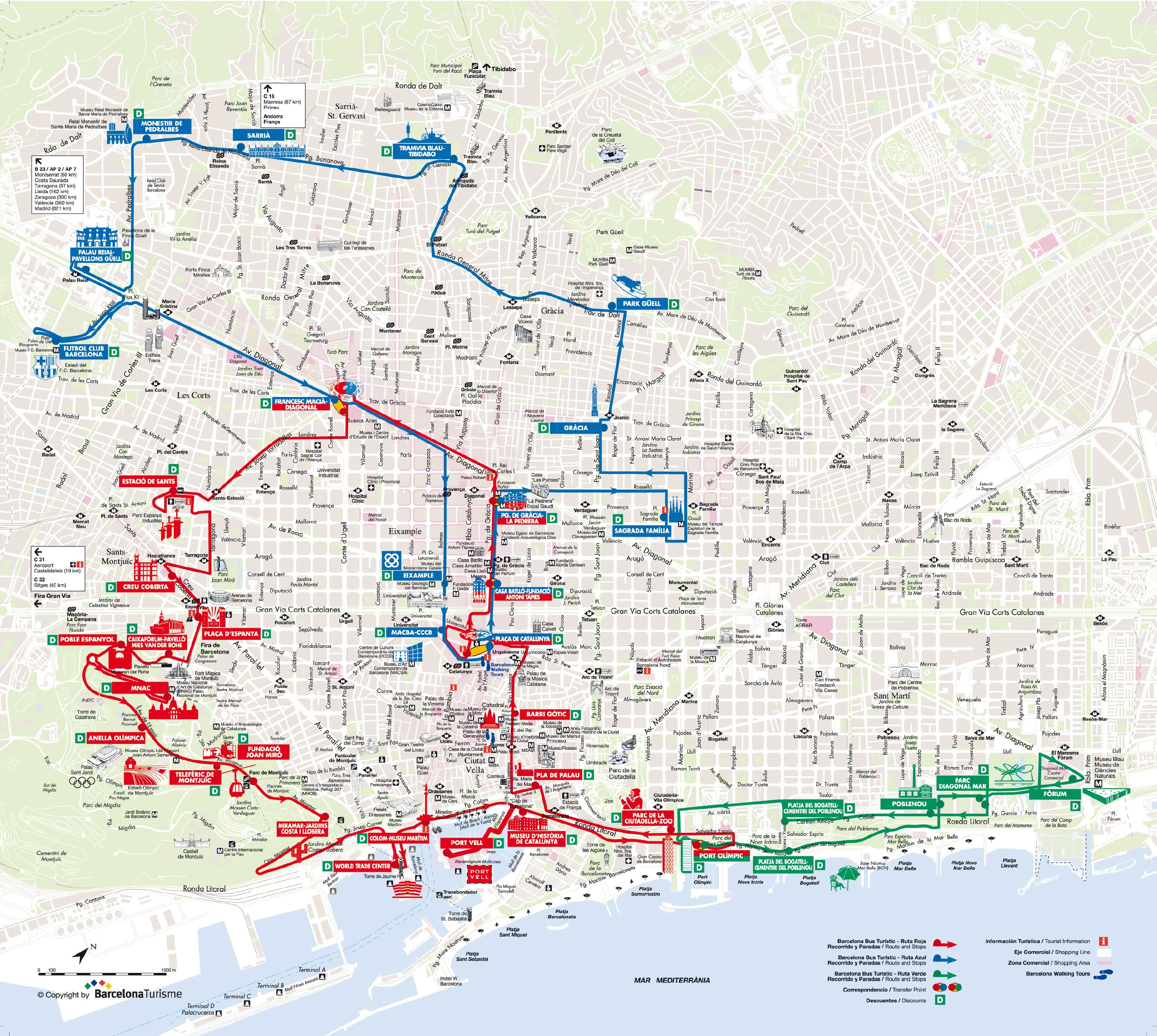 carte image en barcelonabustour.jpg
What is Casa Batlló?
Casa Batlló, an architectural gem designed by Antoni Gaudí, is one of Barcelona’s most famous modernist buildings. Located on the bustling Passeig de Gràcia, this stunning masterpiece is a UNESCO World Heritage Site and a prime example of Gaudí’s unique style that incorporates organic forms, vibrant colors, and intricate details.
Architectural Marvel
Casa Batlló, often referred to as the “House of Bones,” stands out for its skeletal organic form and whimsical design. The building was originally constructed in 1877 and was later renovated by Gaudí between 1904 and 1906. The facade is particularly striking, with its colorful mosaic tiles, undulating stonework, and mask-like balconies.
- Facade: The building’s facade is adorned with a mosaic made of broken ceramic tiles (trencadís) in shades of blue, green, and gold. The balconies resemble skeletal masks, adding to the building’s nickname, while the roof is often compared to the back of a dragon.
- Windows and Balconies: The windows and balconies feature fluid, organic shapes that are both functional and decorative. The central windows are framed by columns that resemble bones, enhancing the building’s otherworldly appearance.
Interior Design
The interior of Casa Batlló is just as mesmerizing as its exterior. Gaudí’s attention to detail and his innovative use of light, color, and space create a harmonious and enchanting environment.
- Noble Floor: The main floor, known as the Noble Floor, is the most opulent part of the house, featuring a grand living room with large windows that offer a view of Passeig de Gràcia. The room’s ceiling is designed to resemble a swirling whirlpool.
- Atrium: The central atrium allows natural light to flood the interior spaces. The walls of the atrium are covered with ceramic tiles in varying shades of blue, creating a gradient effect that enhances the sense of depth and light.
- Roof Terrace: The roof terrace is another highlight, with its dragon-like spine and chimney stacks that resemble a carnival of colors and shapes. The terrace offers panoramic views of the city and is a great spot for photography.
Interesting Tip
To fully appreciate the genius of Gaudí and the beauty of Casa Batlló, consider taking an audio or guided tour. These tours provide fascinating insights into Gaudí’s vision, the symbolism behind the design elements, and the history of the building. Additionally, visiting during the evening when the house is illuminated offers a magical experience.
Casa Batlló Visitor Information
| Aspect | Details |
|---|---|
| Location | Passeig de Gràcia, 43, 08007 Barcelona, Spain |
| Opening Hours | 9:00 AM to 8:00 PM (varies seasonally) |
| Ticket Price | €25.00 (basic entry), with additional tour options |
| Website |
 Barcelona Map Tourist Attractions
What Are Barcelona Beaches?
Barcelona is not only famous for its rich culture and architecture but also for its beautiful beaches. Stretching along the Mediterranean coastline, Barcelona’s beaches offer a perfect escape for relaxation, swimming, sunbathing, and various water sports. The city’s beaches are well-maintained and easily accessible, making them a popular destination for both locals and tourists.
Top Beaches in Barcelona
1. Barceloneta Beach
Description: Barceloneta Beach is one of the most famous and oldest beaches in Barcelona. Located near the city center, it is easily accessible and offers a vibrant atmosphere with plenty of amenities.
Highlights:
- Promenade: The long promenade is perfect for walking, jogging, or cycling, and it is lined with restaurants, bars, and shops.
- Water Sports: Barceloneta Beach is a great spot for activities such as windsurfing, kitesurfing, and paddleboarding.
- Beach Bars: Known as chiringuitos, these beach bars offer refreshing drinks and delicious food right by the sea.
Interesting Tip: Visit during the early morning or late afternoon to avoid the crowds and enjoy a more peaceful beach experience.
2. Bogatell Beach
Description: Located to the northeast of Barceloneta, Bogatell Beach is less crowded and known for its clean, well-maintained environment. It attracts a slightly older crowd and is popular among locals.
Highlights:
- Sports Facilities: The beach has facilities for volleyball, table tennis, and a dedicated area for running and cycling.
- Safety: Bogatell Beach is known for its excellent safety measures, with well-trained lifeguards on duty.
- Restaurants and Cafes: Several beachfront restaurants and cafes offer a variety of dining options.
Interesting Tip: Bogatell Beach is ideal for families and those looking for a quieter beach experience compared to the more bustling Barceloneta.
3. Mar Bella Beach
Description: Mar Bella Beach is known for its youthful and lively atmosphere. It is also one of the few nudist-friendly beaches in Barcelona.
Highlights:
- Water Sports: This beach is popular for windsurfing, kayaking, and sailing. There is also a water sports center that offers equipment rentals and lessons.
- Nightlife: Mar Bella Beach has several beach clubs and bars that come alive at night, making it a great spot for evening entertainment.
- LGBTQ+ Friendly: Mar Bella Beach is known for its inclusive and welcoming environment, making it a popular spot for the LGBTQ+ community.
Interesting Tip: If you’re looking to experience Barcelona’s beach nightlife, Mar Bella is the place to be. The beach clubs here often host events and parties during the summer months.
4. Nova Icaria Beach
Description: Located near the Port Olímpic, Nova Icaria Beach is known for its calm waters and relaxed atmosphere. It is a favorite among families and groups looking for a leisurely day by the sea.
Highlights:
- Water Sports: The calm waters make it an ideal spot for kayaking, paddleboarding, and sailing.
- Dining: The beach is close to a variety of restaurants and bars in the Port Olímpic area, offering plenty of dining options.
- Accessibility: Nova Icaria Beach is easily accessible by public transportation, including the metro and buses.
Interesting Tip: Nova Icaria Beach is perfect for a relaxed picnic by the sea. Pack a basket with local goodies and enjoy a leisurely day at the beach.
5. Banys del Fòrum
Description: Unlike the other sandy beaches, Banys del Fòrum is a man-made bathing area located within the Parc del Fòrum. It offers a unique beach experience with its concrete platforms and designated swimming areas.
Highlights:
- Swimming Pools: The area features several saltwater swimming pools that are great for a refreshing dip.
- Water Sports: Banys del Fòrum is a popular spot for kayaking and jet skiing.
- Events: The Parc del Fòrum frequently hosts concerts, festivals, and events, making it a vibrant and exciting place to visit.
Interesting Tip: If you’re visiting during a major event at the Parc del Fòrum, be sure to check out Banys del Fòrum for a unique beach experience combined with entertainment.
Quick Overview of Barcelona Beaches:
| Beach | Highlights | Best For |
|---|---|---|
| Barceloneta Beach | Promenade, water sports, beach bars | Lively atmosphere, accessibility |
| Bogatell Beach | Sports facilities, safety, restaurants | Families, quieter experience |
| Mar Bella Beach | Water sports, nightlife, LGBTQ+ friendly | Youthful crowd, beach nightlife |
| Nova Icaria Beach | Calm waters, dining, accessibility | Families, relaxation |
| Banys del Fòrum | Swimming pools, water sports, events | Unique beach experience |
Barcelona’s beaches offer a diverse range of experiences, from bustling and lively to calm and family-friendly. By exploring these beautiful coastal spots, you can enjoy the best of what Barcelona has to offer, whether you’re looking for relaxation, adventure, or entertainment.

Barcelona Map Attractions New Zone Barcelona tourist
What is Montjuïc?
Montjuïc, a prominent hill located in the southwest of Barcelona, is a cultural and recreational hub that offers stunning views of the city and the Mediterranean Sea. Known for its historical and cultural significance, Montjuïc is home to several attractions, including museums, gardens, sports facilities, and architectural marvels. The hill played a crucial role in both the 1929 International Exposition and the 1992 Summer Olympics, leaving a lasting legacy in the city.
Cultural and Historical Significance
Montjuïc is steeped in history and culture, making it a fascinating destination for visitors interested in exploring Barcelona’s past and present.
- Montjuïc Castle: This historic fortress, dating back to the 17th century, sits atop the hill and offers panoramic views of Barcelona. The castle has served various purposes throughout history, from a military fortress to a political prison.
- National Art Museum of Catalonia (MNAC): Housed in the impressive Palau Nacional, this museum boasts an extensive collection of Catalan art, spanning from the Romanesque period to the early 20th century.
Recreational Activities and Attractions
Montjuïc is not only rich in history but also offers a wide range of recreational activities and attractions that cater to different interests.
- Magic Fountain: The Magic Fountain of Montjuïc, built for the 1929 International Exposition, is famous for its nightly light and music shows. The fountain’s mesmerizing display is a must-see for visitors.
- Olympic Stadium: The Estadi Olímpic Lluís Companys, originally built for the 1929 Exposition and later renovated for the 1992 Olympics, is a testament to Barcelona’s sporting legacy. The stadium is open to the public and offers guided tours.
- Poble Espanyol: This open-air architectural museum replicates traditional Spanish villages and showcases the diverse architectural styles from different regions of Spain. It features craft shops, restaurants, and cultural events.
Natural Beauty and Gardens
Montjuïc is also known for its lush gardens and green spaces, providing a tranquil escape from the bustling city.
- Montjuïc Botanical Garden: This garden features a diverse collection of plants from Mediterranean climates around the world. It’s a perfect spot for a leisurely stroll and botanical exploration.
- Joan Miró Foundation: Set within the Parc de Montjuïc, this museum is dedicated to the works of the famous Catalan artist Joan Miró. The surrounding gardens and sculptures complement the museum’s artistic atmosphere.
- Laribal Gardens: These beautiful terraced gardens, designed by Jean-Claude Nicolas Forestier and Nicolau Maria Rubió i Tudurí, offer scenic pathways, fountains, and a peaceful environment for visitors to enjoy.
Interesting Tip
To make the most of your visit to Montjuïc, consider taking the Montjuïc Cable Car. The cable car ride offers breathtaking views of the city and the sea as it transports you from the base of the hill to the castle at the summit. Additionally, Montjuïc is a great place to visit during sunset, providing a stunning backdrop for photography and a serene end to your day.
Montjuïc Visitor Information
| Aspect | Details |
|---|---|
| Location | Montjuïc, 08038 Barcelona, Spain |
| Opening Hours | Varies by attraction (generally 10:00 AM to 8:00 PM) |
| Ticket Price | Varies by attraction (Castle entry is €5.00) |
| Website |
 Hotels Near Cruise And Port Terminals in Barcelona
What is the Eixample District?
The Eixample District, meaning “extension” in Catalan, is a centrally located neighborhood in Barcelona that was developed in the late 19th and early 20th centuries. Designed by the Catalan engineer Ildefons Cerdà, Eixample is characterized by its grid-like layout with broad streets and square blocks, featuring wide sidewalks and chamfered corners. This modernist area is renowned for its architectural landmarks, upscale shopping, and vibrant street life.
Architectural Highlights
The Eixample District is a showcase of Barcelona’s modernist architecture, with numerous buildings designed by famous architects like Antoni Gaudí, Lluís Domènech i Montaner, and Josep Puig i Cadafalch.
- La Sagrada Familia: Located within the Eixample District, Gaudí’s most famous work, La Sagrada Familia, is a must-visit. This basilica’s intricate facades and towering spires dominate the skyline.
- Casa Milà (La Pedrera): Another Gaudí masterpiece, Casa Milà, also known as La Pedrera, features a wavy stone facade and a rooftop terrace with surreal chimneys and panoramic views of the city.
- Casa Batlló: Situated on Passeig de Gràcia, Casa Batlló is celebrated for its colorful facade and fantastical design elements, making it one of Gaudí’s most visited works.
- Casa Amatller and Casa Lleó Morera: These buildings, located near Casa Batlló, are also notable examples of modernist architecture, each with its unique style and decorative details.
Shopping and Dining
Eixample is a paradise for shoppers and food enthusiasts, with a mix of high-end boutiques, local shops, and a diverse culinary scene.
- Passeig de Gràcia: This major avenue is lined with luxury brands like Gucci, Chanel, and Louis Vuitton, as well as renowned Spanish labels such as Loewe.
- Boutiques and Local Shops: Eixample is home to numerous independent boutiques offering fashion, jewelry, and artisanal goods.
- Dining: The district boasts a wide array of dining options, from traditional Catalan eateries and tapas bars to Michelin-starred restaurants. Notable spots include Cinc Sentits and Disfrutar.
Cultural and Recreational Spaces
Eixample offers a variety of cultural and recreational spaces that cater to both residents and visitors.
- Plaça de Catalunya: A bustling square that serves as a central hub connecting various parts of the city. It is a popular meeting point and is surrounded by shops, cafes, and cultural institutions.
- Civic Centers and Art Galleries: The district is home to several civic centers and art galleries that host exhibitions, performances, and community events.
- Green Spaces: While Eixample is primarily urban, it features several small parks and gardens where visitors can relax and enjoy a break from the city’s hustle and bustle.
Interesting Tip
To fully appreciate the architectural beauty of the Eixample District, consider taking a self-guided walking tour. Many maps and mobile apps provide detailed routes that highlight the most significant buildings and their history. This allows you to explore at your own pace and discover hidden gems along the way.
Eixample District Visitor Information
| Aspect | Details |
|---|---|
| Location | Central Barcelona, extending from Plaça de Catalunya to Diagonal Avenue |
| Opening Hours | Varies by attraction and establishment |
| Admission | Free (Some attractions may have entry fees) |
| Website |
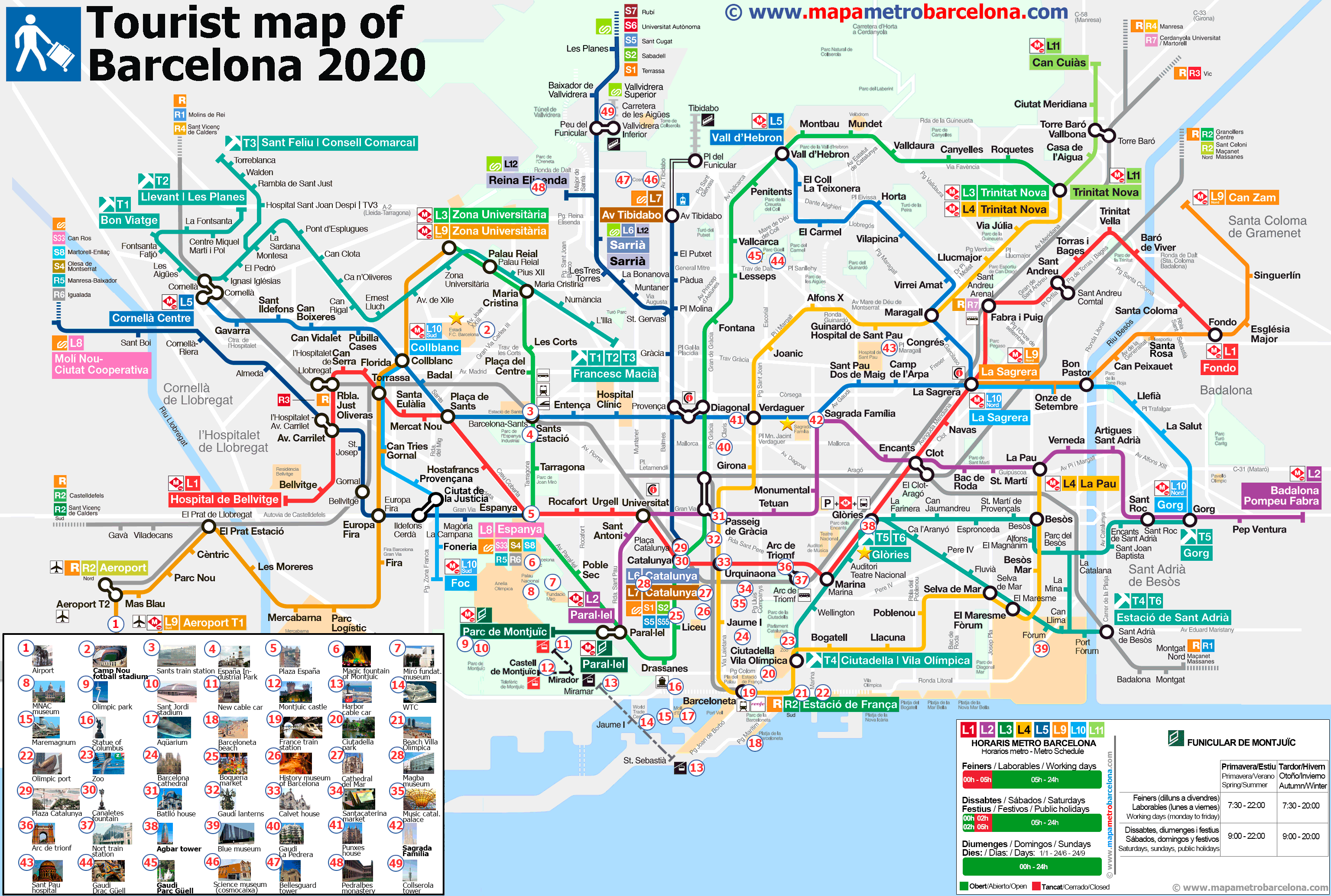 Pin by Bitskinashvili Lali on Birthday gif Tourist map
What is the Gracia District?
The Gracia District is one of Barcelona’s most charming and vibrant neighborhoods, known for its bohemian atmosphere, artistic community, and lively street life. Once an independent village, Gracia was annexed to Barcelona in the late 19th century, but it has retained its unique identity and village-like feel. The district is a favorite among locals and visitors alike for its cultural diversity, cozy squares, and eclectic mix of shops, cafes, and restaurants.
Village Atmosphere and Cultural Diversity
Gracia’s narrow streets and small squares create a welcoming and intimate environment, reminiscent of a small village. The district is known for its cultural diversity and vibrant community, making it a lively and dynamic place to explore.
- Plaza del Sol: One of Gracia’s most popular squares, Plaza del Sol, is a hub of activity with its cafes, bars, and frequent street performances. It’s a great place to relax and soak in the local atmosphere.
- Plaza de la Vila de Gracia: Home to the iconic clock tower, this square is a central gathering spot for residents and visitors. The square hosts various events and festivals throughout the year.
Artistic and Creative Hub
Gracia is a haven for artists and creatives, with numerous galleries, studios, and cultural centers that showcase local talent. The district’s artistic vibe is reflected in its colorful street art and unique boutiques.
- Art Galleries and Studios: Gracia is home to several independent art galleries and studios, where you can discover works by local artists and even purchase one-of-a-kind pieces.
- Street Art: The district’s streets are adorned with vibrant murals and graffiti, adding to Gracia’s eclectic and creative atmosphere.
- Boutiques and Craft Shops: Explore the many boutiques and craft shops that offer handmade goods, vintage items, and artisanal products.
Festivals and Events
Gracia is renowned for its lively festivals and cultural events, which bring the community together and attract visitors from all over.
- Festa Major de Gracia: Held every August, this week-long festival is one of Barcelona’s most famous celebrations. The streets of Gracia are transformed with elaborate decorations, music, and performances, creating a carnival-like atmosphere.
- Independent Film Festival: Gracia hosts an annual independent film festival that showcases films from around the world, highlighting the district’s commitment to the arts and culture.
Dining and Nightlife
Gracia offers a diverse culinary scene, with a wide range of dining options that cater to different tastes and budgets. The district’s nightlife is equally vibrant, with numerous bars and clubs that stay lively well into the night.
- Tapas Bars and Restaurants: Enjoy traditional Spanish and Catalan dishes at one of Gracia’s many tapas bars and restaurants. Notable spots include La Bicicleta and Casa Pages.
- International Cuisine: The district’s cultural diversity is reflected in its food, with options ranging from Middle Eastern to Asian and beyond.
- Bars and Clubs: Gracia’s nightlife is centered around its squares and streets, with a variety of bars and clubs offering live music, DJ sets, and themed nights.
Interesting Tip
To truly experience the essence of Gracia, visit during the Festa Major de Gracia in August. This vibrant festival showcases the district’s creativity and community spirit, with each street competing to win the prize for the best decoration. The festival also features live music, dance performances, and traditional Catalan activities.
Gracia District Visitor Information
| Aspect | Details |
|---|---|
| Location | Northwest of central Barcelona, near Eixample |
| Opening Hours | Varies by establishment (generally open late) |
| Admission | Free (Some events and attractions may have fees) |
| Website |
What is the Barcelona Museum of Contemporary Art (MACBA)?
The Barcelona Museum of Contemporary Art, known as MACBA, is a prominent cultural institution located in the Raval district of Barcelona. Opened in 1995, the museum is dedicated to contemporary art and has become a significant hub for modern artistic expression in the city. Designed by American architect Richard Meier, the building itself is a striking example of modern architecture, characterized by its use of white concrete, glass, and natural light.
Architectural Design
The architectural design of MACBA is a work of art in itself, seamlessly blending modernist elements with functional spaces that enhance the visitor experience.
- Building Structure: The museum’s design features a clean, minimalist aesthetic with large open spaces and an abundance of natural light. The white concrete and glass facade creates a sense of openness and transparency.
- Interior Layout: Inside, the museum boasts spacious galleries, wide ramps, and a central atrium that connects the different levels. The use of natural light enhances the display of artworks, creating an inviting environment for visitors.
Exhibitions and Collections
MACBA’s collection focuses on contemporary art from the mid-20th century to the present, featuring works by both established and emerging artists. The museum’s exhibitions cover a wide range of artistic disciplines, including painting, sculpture, photography, video art, and installations.
- Permanent Collection: The permanent collection includes works by renowned artists such as Antoni Tàpies, Juan Muñoz, and Gerhard Richter. The collection reflects the diversity and dynamism of contemporary art, with a particular emphasis on Catalan and Spanish artists.
- Temporary Exhibitions: MACBA regularly hosts temporary exhibitions that explore various themes and artistic movements. These exhibitions often feature cutting-edge works by contemporary artists from around the world.
- Educational Programs: The museum offers a variety of educational programs, workshops, and guided tours aimed at engaging visitors of all ages. These programs provide deeper insights into the artworks and the creative processes behind them.
Cultural and Community Engagement
MACBA is not just a museum; it is a cultural center that actively engages with the local community and promotes contemporary art through various initiatives.
- Public Programs: The museum organizes lectures, film screenings, performances, and discussions that encourage dialogue and interaction between artists, curators, and the public.
- Research and Publications: MACBA is involved in research and publishes a range of materials, including exhibition catalogs, art books, and academic journals. These publications contribute to the broader understanding and appreciation of contemporary art.
- Collaborations and Partnerships: The museum collaborates with other cultural institutions, both locally and internationally, to promote artistic exchange and foster new creative projects.
Interesting Tip
For an enhanced experience, visit MACBA on Saturday afternoons when admission is free from 4:00 PM to 8:00 PM. This provides an excellent opportunity to explore the museum’s extensive collection and temporary exhibitions without any cost. Additionally, the museum’s location in the vibrant Raval district means you can combine your visit with a leisurely stroll through the neighborhood, which is known for its eclectic mix of shops, cafes, and street art.
MACBA Visitor Information
| Aspect | Details |
|---|---|
| Location | Plaça dels Àngels, 1, 08001 Barcelona, Spain |
| Opening Hours | 11:00 AM to 7:30 PM (varies seasonally) |
| Ticket Price | €11.00 (general entry), free on Saturdays from 4:00 PM to 8:00 PM |
| Website |
Barcelona Tourist Spots Map
Having a detailed map is essential for exploring the diverse and vibrant attractions of Barcelona. A well-crafted tourist map not only helps you navigate the city’s streets but also ensures you make the most of your visit by highlighting key points of interest, transportation routes, and hidden gems. Below is a comprehensive guide to utilizing a Barcelona tourist spots map effectively.
Key Features of a Barcelona Tourist Spots Map
A good tourist map of Barcelona should include several key features to enhance your travel experience:
- Landmarks and Attractions: Clearly marked locations of major tourist spots such as La Sagrada Familia, Park Güell, Casa Batlló, and more.
- Neighborhoods: Distinct areas like the Gothic Quarter, Eixample, and Gracia, each with its unique charm and attractions.
- Public Transportation: Subway lines, bus routes, and train stations to help you navigate the city efficiently.
- Walking Routes: Suggested walking tours that take you through the most scenic and historically significant parts of the city.
- Amenities: Locations of important amenities such as restrooms, tourist information centers, and emergency services.
Example of a Detailed Tourist Map
Below is an example of how a detailed tourist map of Barcelona might look. While this is a textual representation, actual maps would provide visual guides, often available for download from tourism websites or as apps.
| Attraction | Location | Description |
|---|---|---|
| La Sagrada Familia | Carrer de Mallorca, 401 | Iconic basilica designed by Gaudí, still under construction |
| Park Güell | Carrer d’Olot, s/n | Public park with Gaudí’s artistic and architectural elements |
| Gothic Quarter | Central Barcelona | Historic district with medieval architecture and narrow streets |
| La Rambla | From Plaça de Catalunya to Port Vell | Bustling pedestrian street with shops, cafes, and performers |
| Casa Batlló | Passeig de Gràcia, 43 | Modernist building by Gaudí with a colorful and fantastical design |
| Barceloneta Beach | Barceloneta | Popular beach with a vibrant atmosphere and beachfront bars |
| Montjuïc | Montjuïc Hill | Hill with cultural attractions like Montjuïc Castle and Magic Fountain |
| Eixample District | Extends from Plaça de Catalunya to Diagonal Avenue | Area known for its grid layout and modernist architecture |
| Gracia District | Northwest of central Barcelona | Bohemian neighborhood with a village-like feel |
| MACBA | Plaça dels Àngels, 1 | Museum of Contemporary Art with a focus on modern artistic expressions |
Tips for Using a Tourist Map
- Plan Ahead: Mark the locations of the attractions you plan to visit and chart out your route. This helps you make the most of your time and ensures you don’t miss any key spots.
- Use Public Transport: Utilize the public transport information on the map to navigate efficiently. Barcelona’s metro and bus systems are comprehensive and can save you a lot of walking.
- Stay Flexible: Be open to spontaneous discoveries. While the map helps you plan, some of the best experiences come from exploring the unmarked gems.
- Digital Maps: Consider downloading a digital map or using a travel app that offers offline access. This way, you won’t need to rely on internet connectivity while navigating the city.
Visual Overview of a Tourist Spots Map
While I can’t generate a visual map, here’s a link to a detailed map that you can use for your visit to Barcelona:
A comprehensive tourist map of Barcelona is your best companion for exploring the city’s diverse attractions. From iconic landmarks to hidden gems, a good map ensures you navigate with ease and make the most of your visit. Whether you’re discovering Gaudí’s masterpieces, strolling through historic neighborhoods, or enjoying the beach, Barcelona’s rich cultural and architectural heritage awaits.
References
 Pin on bradverga
The printable map of barcelona features the city’s top museums, art galleries, and landmarks.
Barcelona tourist spots map. Attend a game here or take the lively tour and visit the museum. Scroll down the page for maps and follow the underlined words for pages with pictures , directions , visitor tips and general recommendations. This page lists our choice of best barcelona’s tourist attractions and sights of interest.
Take a look at our detailed itineraries, guides and maps to help you plan your trip to barcelona. Barcelona is one of the world’s most popular tourist destinations, attracting millions upon millions of visitors each year. Get the free printable map of barcelona printable tourist map or create your own tourist map.
Western europe is full of adventure and spain is the best…. Click on the icon in the top right of the map for easier, full screen browsing. Things to do in barcelona, province of barcelona:
Find all of barcelona’s most intriguing cultural treasures, from gaudi’s magnificent mansions, to modern art museums, on a map. These barcelona city sightseeing maps are certainly a big help for tourists who wanted to tour the city’s most famous attractions. Find what to do today, this weekend, or in march.
Things to do in barcelona, province of barcelona: Catalonia and barcelona has become one of the first tourist destination of spain, it has everything to please the majority of visitors : See tripadvisor’s 3,267,155 traveler reviews and photos of barcelona tourist attractions.
In my barcelona tourist attractions map you’ll find the city’s main sights denoted with yellow stars, secondary attractions with beaches and museums in blue, and bars and restaurants in brown and red respectively. So why is it so popular? See more ideas about barcelona, barcelona tourist, barcelona travel.
We have elaborated 2 maps for your easy city trip. This splendid gothic cathedral stands on the highest point in the gothic quarter, surrounded by a delightful maze of narrow medieval lanes. What to do, where to go, things to do, places to see, sightseeing, destinations, city guide
We have reviews of the best places to see in barcelona. If you prefer to explore by foot, then the barcelona tourist map walking is what you need. We have reviews of the best places to see in barcelona.
Tourist zone map of barcelona. A maps of the barcelona city quarters, and another one by major tourist zones: Barrio gotico (barri gotic) the city’s oldest neighborhood, with narrow streets, great shopping, and a booming nightlife, is truly iconic to….
Click on a pin to reveal each place’s identity. The 1992 olympics marked a turning point in the history of barcelona, catapulting it to the leading international tourist destination it is today. For more sightseeing ideas, see our list of the top attractions in barcelona’s gothic quarter.
With a history among the oldest in europe, a capital, barcelona, which never sleeps and an inland full of charm not to forget beautiful beaches in la costa brava. We have 15,000 pages of up to date tourist information covering every part of planning your visit to barcelona city. See the best attraction in barcelona printable tourist map.
Spain is one of the best places in europe to visit on a europe trip! Easy access, favorable weather conditions, attractive beaches and surrounding mountains, Planes barcelona barcelona spain map barcelona tourist attractions barcelona site barcelona city tour barcelona travel attraction world bus map sightseeing bus.
Take a spain vacation and use these spain travel tips to skip the crowds of tourists in madrid, barcelona, seville and see these great places to visit in spain instead! A perfect area to enjoy a relaxing day on the city’s most popular beach, and try some of the best seafood in town. For the map that shows the different barcelona tourist zones at the city center please click here.
You will find a brief description of each barcelona sight of interest along with a link to a photo gallery of each. Jewels of catalan art nouveau, modernisme, and contemporary architecture, markets that are a treat for the senses, ancient roman and medieval. Also keep an eye out for shopping centres in orange, parks in green, and airport transport locations.
Well, it has almost everything any holidaymaker would desire. Travelers are voting sagrada familia, park güell and casa mila as the best of 540 tourist attractions in barcelona. Browse 569 attractions, meet 86 travelers, 64 tour guides and discover 1,074 photos.
The sagrada familia, barceloneta seafront, camp nou stadium. There are 108 tourist attractions in santa susanna a city just 59 km from barcelona and 117 tourist attractions in malgrat de mar which is 68 km. Find what to do today, this weekend, or in march.
Must see wherever you are in barcelona, there’s always something to see: Česká republika deutschland united states españa france italia 대한민국 nederland polska brasil россия türkiye 中国 Home > attractions > top 10 tourist sights and attractions ;
The variety of artistic treasures, the romanesque churches and the great. See tripadvisor’s 3,267,155 traveller reviews and photos of barcelona tourist attractions.
 Barcelona attractions overview map Barcelona map


