

Origin Of Tourism and Hospitality in the Philippines Summary- Describe the origin of tourism and hospitality in the Philippines. Nowadays most customers believe that competing services and products. It was the period of the 16 Th century when the demand for inns and taverns increased multiple folds.
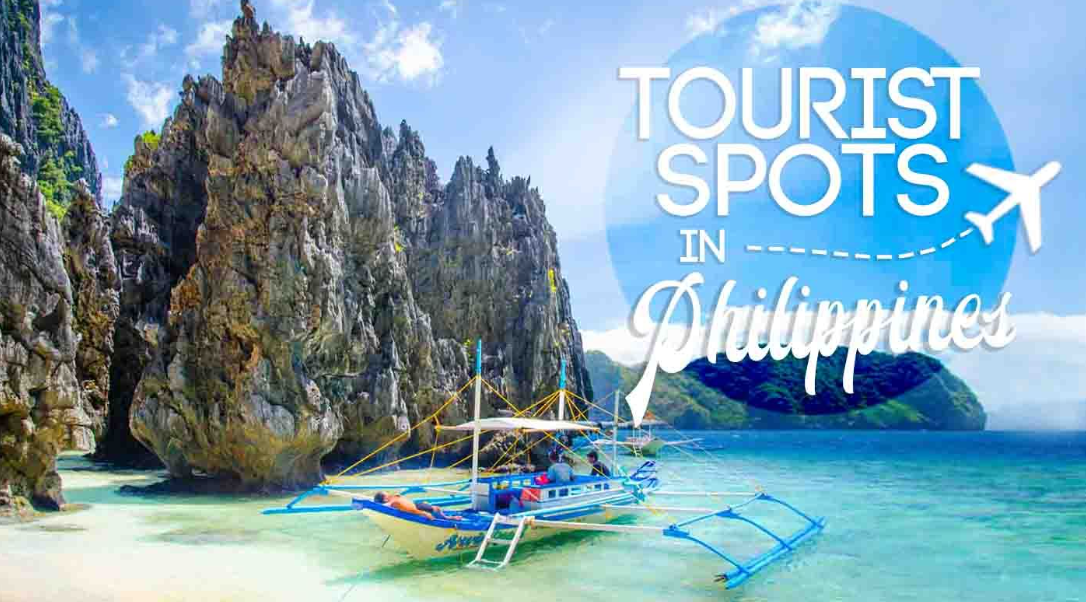
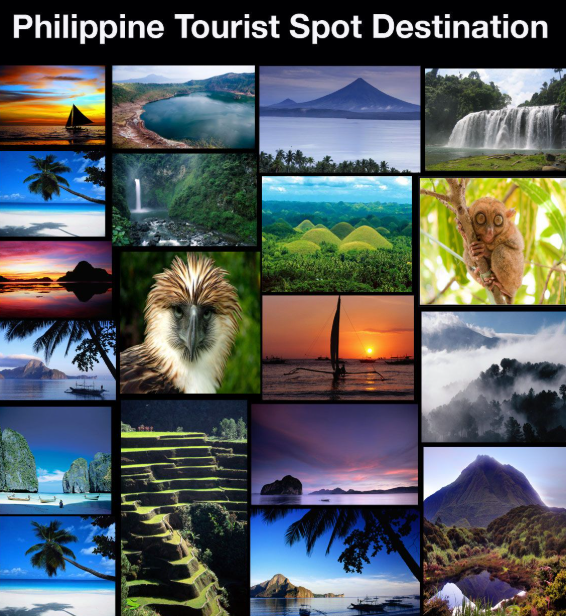
Tourism is an important sector for Philippine frugality. In 2019, the trip and tourism assiduity contributed12.7 to the country’s GDP. The Philippines is an archipelagic country composed of islets with 81 businesses divided into 17 regions. The country is known for having its rich biodiversity as its main sightseer magnet. Its strands, heritage municipalities and monuments, mountains, rainforests, islets, and diving spots are among the country’s most popular sightseer destinations.

Tourism in the Philippines – Origin Of Tourism And Hospitality In The Philippines Summary
The country’s rich literal and artistic heritage, including its carnivals and indigenous traditions, is also one of the lodestones of the Philippines. Popular destinations among excursionists are Cebu, Boracay, Palawan, Siargao, and numerous further. Still, despite this large eventuality, the sightseer assiduity of the Philippines has lagged behind its Southeast Asian fellows like Thailand, Vietnam, Malaysia, Singapore, and Indonesia, due to political and social problems.
As of 2015,4.99 million Filipinos have been employed in the tourism sector and the government collected P227.62 billion pesos from foreign excursionists, nearly 25 of which came from Boracay. The country attracted an aggregate of foreign callers in 2015 through its successful tourism crusade of “It’s Further Fun in the Philippines”. In 2018, foreign advents peaked.
The Philippines has garnered multitudinous titles related to tourism, videlicet, the traditional capital of the world’s fests, the capital of the western Pacific, the center of Hispanic Asia, the Pearl of the Orient Swell, the center of the Coral Triangle, and the capital of fun. The country is also a biodiversity hotspot, having the world’s loftiest endemism rate for raspberry species, and one of the loftiest for mammals and foliage. It’s also the largest fortification for Roman Catholicism in all of Asia.
The country is also home to one of the New7Wonders of Nature, the Puerto Princesa Subterranean River National Park, and one of the New7Wonders Metropolises, the Heritage City of Vigan. It’s also home to six UNESCO world heritage spots scattered in nine different locales, three UNESCO biosphere reserves, three UNESCO impalpable artistic heritage, four UNESCO memory of the world talkie heritage, one UNESCO creative megacity, two UNESCO world heritage metropolises, seven Ramsar swamp spots, and eight ASEAN Heritage Parks. Further than 60 of Filipinos can understand and speak English, as numerous are multilingual.
The History of Tourism and Hospitality in the Philippines: A Comprehensive Guide


FAQS Origin Of Tourism And Hospitality In The Philippines Summary
What’s the origin of hospitality in the Philippines?
Filipino Hospitality in History A well-honored Philippine annalist, Teodoro A. Agoncillo, mentioned in his book, History of the Filipino People, that hospitality and utmost Filipino traits were acquired from the Malayan traditions.
What’s the origin of the tourism and hospitality assiduity?
The first given trip agency, started by Thomas Cook in England, appeared in the mid-1800s and offered a package that included road tickets and a coexisting stint book. Many times prior, the ultramodern hostel assiduity got going in the United States, with the opening of The City Hotel in New York in 1794.
When did tourism begin in the Philippines?
As early as the 1950s, Filipinos had formerly realized the eventuality of tourism assiduity as an important element of the growth of Philippine frugality. Tourist advents gradationally increased as the country started recovering from the impacts of World War II.
What’s the origin of hospitality?
Etymology. Derives from the Latin hospes, meaning” host”,” guest”, or” foreigner”.. By metonymy, the Latin word sanitarium means a guest-chamber, guest’s lodging, an auberge. Hospes/ hostis is therefore the root for the English words host, hospitality, lodge, hotel, and hostel.
What’s hospitality in the Philippines?
Hospitality. This is the most common language that describes how Filipinos drink nonnatives or excursionists who visit the country. For Filipinos, it’s a pleasure and the country’s honor to accept nonnatives as callers and make genuine connections and fellowship with them.
What’s the part of the tourism and hospitality assiduity in the Philippines?
Tourism is an important sector for the Philippine frugality. In 2019, the trip and tourism assiduity contributed12.7 to the country’s GDP. The Philippines lost around PHP 400 billion (over USD8.3 billion) in tourism profit in 2020 due to the unforeseen fall in sightseer advents amid the COVID-19 epidemic.
What do you know about tourism and hospitality?
Hospitality and Tourism is a Collaborative Assiduity
Hospitality and tourism is a massive, collaborative assiduity conforming of tourism and other hospitality-related businesses. Tourism companies are technically considered hospitality businesses because they calculate strong client service to induce profit.
What’s the relationship between tourism and hospitality?
The hospitality assiduity is an assiduity that offers services that generally bring redundant income to enjoy and include effects like hospices, caffs, transportation, and rest conditioning. Tourism is the act of traveling to a destination for pleasure purposes.
Why hospitality assiduity attracts callers to the Philippines?
Friendly and Warm Filipinos
Away from the Philippines’ graphic spots, the Filipinos’ warmth and hospitality is a reason itself for you to visit the country. In fact, the Philippines frequently rank as the friendliest country in Asia.
What makes Filipino hospitality different from all others?
Filipino hospitality has no borders or boundaries.
Guests are made to feel like lords and queens, with hosts always making sure that the guests are comfortable and well-fed. “ Kain na” ( Let’s eat) and “ Kumain ka na ba” ( Did you eat yet) are expressions I frequently hear when visiting a Filipino friend’s house.
What’s the impact of tourism assiduity in the Philippines?
Similar findings are fussing because the tourism assiduity contributed 12.7 to the country’s GDP in 2019, and handed5.71 million jobs at the same time.
How important is the profitable donation of the tourism and hospitality assiduity in the Philippines frugality?
Donation of Tourism to the Philippine Economy is 12.7 percent in 2018. As measured by the share of Tourism Direct Gross Value Added (TDGVA) to the Gross Domestic Product (GDP), the donation of tourism diligence. Read further about the Contribution of Tourism to the Philippine Economy is12.7 percent in 2018.
What is the current growth of tourism and hospitality in the Philippines?
The Philippine Statistics Authority (PSA) reported lately that tourism’s donation to the country’s GDP grew from12.3 percent in 2018 to12. 7 percent in 2019.
What are the benefits of tourism in the Philippines?
From buying at full price to patronizing native attendants, then are seven reasons letting you know the significance of supporting original tourism
- It’s their source of living.
- It’s nearly always cheaper.
- You get to travel light.
- It’s sustainable.
- It can have its borderline benefits.
- Robotic passages can be delightful as well.
Why does tourism play a major important part in the growth and development of the Philippines?
Tourism plays an important part in Philippine frugality. The country boasts of rich natural beauty in its numerous spectacular strands, sunny rainfall, and rich bio-diversity.
What’s the first suggestion of Filipino hospitality?
Felicitations this is the first sign of Filipino Hospitality. However, whenever you go into a store or any business establishment, Filipinos would hail you with a warm hello, If you could notice.
What are the impacts of tourism and hospitality on the frugality of the Philippines explain compactly?
In 2017, the trip and tourism sector contributed an aggregate of P3. 35 trillion to the Philippine frugality, counting for about 21 percent of the country’s gross domestic product (GDP), according to the rearmost report from the World Travel and Tourism Council (WTTC).
What is the impact of tourism and hospitality on the frugality of the Philippines?
Tourism is an important sector for Philippine frugality. In 2019, the trip and tourism assiduity contributed12.7 to the country’s GDP.
What are the different associations in tourism and hospitality in the Philippines?
The National Professional tourism associations in the Philippines are the following Philippine Travel Agencies Asociation (PTAA), Hotel and Restaurant Association of the Philippines (CHRAP), Tourism Preceptors of Seminaries, Colleges, and Universities (TESCU), Women in Travel Philippines (WTP), Network of Independent
.
What should be the primary focus or pretensions of tourism and hospitality associations in the Philippines to elevate norms in the assiduity?
Tourism is a precedence sector, given its eventuality to drive profitable growth and induce employment. The abecedarian points of the plan are to increase the competitiveness of the tourism assiduity, as well as promote sustainability and social responsibility.
What’s the part of tourism in the growth of Philippine frugality?
According to Puyat, the PSA’s data showed that 14 out of 100 employed Filipinos were in tourism-related diligence in 2019, noting that employment in tourism diligence increased from5.36 a million to5.71 million in 2019
What makes Filipino culture different from others?
Having Close Family Ties is also one of their unique traits. It’s one of the outstanding artistic values that Filipinos have. The family takes care of each other and are tutored to be pious to family and elders by simply adhering to their authority. This is one of the unique characteristics of Filipinos.
What’s the origin of hospitality assiduity in the Philippines?
Filipino Hospitality in History A well-honored Philippine annalist, Teodoro A. Agoncillo, mentioned in his book, History of the Filipino People, that hospitality and utmost Filipino traits were acquired from the Malayan traditions.
What’s the main tourism association in the Philippines?
The Department of Tourism (Filipino Kagawaran ng Turismo, DOT) is the superintendent department of the Philippine government responsible for the regulation of the Philippine tourism assiduity and the creation of the Philippines as a sightseer destination.
What’s the first name of the Philippines?
Las Islas Filipinas
A Spanish discoverer first named the archipelago Las Islas Filipinas (Philippine Islands) in honor of Spain’s King Philip II. Spain ruled the Philippines for three centuries, also the U.S. enthralled it 48 times.
How important is the tourism and hospitality sector in the Philippines What are the functions of the Department of Tourism?
The Department of Tourism (DOT) shall be the primary government agency charged with the responsibility to encourage, promote, and develop tourism as a major socio-profitable exertion to induce foreign currency and employment and to spread the benefits of tourism to both the private and public sector.
How can tourism be promoted in the Philippines?
There’s a lot that goes into promoting a destination – and utmost of it’s behind the scenes.
- Websites. Every original and indigenous tourism office has a website.
- Attendants.
- Press releases.
- Blogs.
- Social Media.
- Large Activations.
- Commercials.
- Update them Constantly.

Is hospitality part of the tourism industry or is tourism part of the hospitality industry?
If you draw two circles which approximately one-third of the circles overlap The area covered by the two circles will be both tourism and generosity. But since not all tourism requires hotels, and not all hotels are guest tourists, one can readily grasp the idea that they are not subsets of each other, but are independent industries, each of which There is a large number of elements in it, they are also elements of others.
In general, hotels can be located in tourist areas, and before you will see a higher percentage of revenue from leisure travelers. On the other hand, the location of a central business district or an airport may be associated with a higher percentage of business travelers and people attending meetings.
What are the benefits of the hospitality industry and the tourism industry?
The importance of tourism and hospitality
Tourism and hospitality play a very important role in the economy. The necessary currency is often brought in by tourists who pay for visits to various tourist destinations. Recognizing the potential of the tourism and hospitality sector to generate income for the economy, most governments have introduced measures to protect wildlife and wildlife in general.
Tourism and hospitality can be very important in cultural exchange. People often learn something about the differences in the cultures of the countries they visit. Citizens of these destinations also learn a lot about other countries and cultures from tourists.
Due to racial, ethnic, and cultural differences; we often have prejudices about people in other countries and are often more reserved in interactions with them. There are many suspicions about foreigners. In some countries, this has led to xenophobic attacks on these people. Even terrorism can often be attributed to prejudice and misunderstanding of other cultures.
The tourism and hospitality industry can play a very important role in promoting the interaction between people with different backgrounds, cultures, and races. This interaction leads to a better understanding and recognition of other cultures, which in turn can contribute to promoting peace, harmony, and coexistence among peoples. Based on this, it can be said that tourism and hospitality can promote unity in diversity.
Countries with closed systems most often have limited and biased citizens.
The barriers that humanity has erected for many centuries can be effectively removed by promoting tourism and hospitality. This industry promotes cultural and economic globalization. It is a fact that cannot be overemphasized that we live in a global village with common problems and threats. Although some people may not be aware of this.
I believe that tourism and hospitality can greatly contribute to the unity and cooperation of nations and to the understanding that God, though diverse, made all nations one blood.
But also tourism and hospitality have their fair share of negative consequences. This becomes more clear when we consider the impact of sex tourism on host countries, particularly in the regions visited by sex tourists. It can refer to the spread of the HIV/AIDS pandemic, which is prevalent in poor countries.
Although the first documented case does not necessarily come from these countries, they bear the excessive burden of this disease.
Who can deny that tourism and the hotel industry have played a facilitating role in the spread of this disease?
Tourism and hospitality may be implicated as some of the main causes of the moral decline and juvenile delinquency that are so prevalent in our societies. However, there are factors other than these two sectors that contribute to the occurrence of this pest. The entertainment industry may be the biggest.
Tourism and hospitality, like all disciplines, have their pros and cons. It is up to the authorities to regulate this industry and protect the welfare of host countries. Indeed, this industry can be regulated and upgraded to improve our environment and the host country’s standard of living. The responsibility to make this dream come true lies with the governments and relevant authorities.
Why is tourism no longer supported in the Philippines?
It’s not that the Philippines doesn’t support tourism. The government wants all the support, of course, even from the people, because that would be one of the sources of uncertainty for the government… the only problem is the lack of funds. It’s not that the government doesn’t know a budget here, but because there are so many corrupt people outside the government, the funds that should be used to improve the tourist facilities are completely wasted and go into the pocket of the corrupt officials. The Philippines is a beautiful country with many good people. but government corruption will not be controlled, the Philippines will never be the #1 tourist destination like Japan or Korea… even if the Philippines has competence on a beautiful island compared to Japan, Korea, or even Indonesia or Thailand.
I hope this answers your question.
Source: https://www.quora.com/What-is-the-origin-of-tourism-and-hospitality-in-the-Philippines

The French revolution marked the early beginning of the hospitality we know today.
Origin of tourism and hospitality in the Philippines summary. The first hospitality establishment as a hotel was built around this time. Tourism is the act, and process of spending time away from home in pursuit of recreation, relaxation, and pleasure, while making use of the commercial provision of services. Further, tourism does not require learning special skills, as opposed to recreation, which may require the acquisition of special skills (Mieczkowski, 1990) such as sports skills.in summary, the concepts of tourism, hospitality, and leisure are different, although they are related.
It is derived from the Latin Hospes, which encompasses the words guest, host, and foreigner (addict, 2014). A period of Spanish colonization spanning three centuries then made an indelible impression on the country. It gets a little more concrete in classical Pompeii;
Many people have been displaced because of development. Ethics in the hospitality industry introduction as a result of the continually changing competitive environments, tourism and hospitality organizations must come up with ways to stay ahead of their competitors other than the conventional ways of lower prices, more services related to a sell or better products. The present article aims to overcome this shortcoming:
Filipino culture provides warm hospitality to all. Sociocultural impacts are associated with interactions. The Lascaux caves that are part of the UNESCO world cultural heritage are considered to be the first shelter where both an artistic cultural background as well as the accommodation of people of a different tribe can be proven.
Sustainable tourism is the form of tourism that meets the needs of tourists, the tourism industry, and host communities today without compromising the ability of future generations to meet their own needs. The country is known for having its rich biodiversity as its main tourist attraction. The questions about sustainable tourism continue.
History of hospitality ancient Greece: Lesson summary the hospitality industry consists of businesses focused on customer service, including overnight accommodations, travel and tourism, and food, drink, and entertainment provisions. Travelers climb a mountain and cross rivers to satisfy themselves.
The social and cultural impacts of tourism can result in changes to patterns of behavior, lifestyle and the quality of life of the inhabitants or local people. tourism, like all business ventures. A brief history of the hospitality industry 1. Filipinos are also hospitable people who love to have a good time.
The popular and most basic form of tourism is leisure tourism, under which family tourism, cultural tourism, religious tourism, sports tourism are included. The exact dating of the caves is disputed, but they are said to be as old as 38,000 to 15,000 BCE. Origin of the hospitality industry in the Philippines.
In this time, travel may remain a localized experience, but people by nature are interested. Various purposes have been categorized and these have led to different forms of tourism. The economic effects of tourism include improved tax revenue and personal income, increased standards of living, and more employment opportunities.
Much of the debate centers on the opportunities presented by tourism development to the local people of tourism destinations, and how, if at all, alternative tourism is linked to sustainable development. The history of tourism as seasons changed and animals migrated, people traveled to survive. The Filipinos are family-oriented and often religious with an appreciation for art, fashion, music, and food.
The culture of the Philippines comprises a blend of traditional Filipino and Spanish catholic traditions, with influences from America and other parts of Asia. Part of the Filipino culture is to always treat our guests warmly, whether they are foreigners or not, therefore if there is one thing that foreigners would usually comment about right after they visit the Philippines, it would probably not be the food or the places they visited, but the hospitality of the people. The word tourist appeared in print much later, in 1772 (Griffiths and Griffiths, 1772).
According to the world tourism organization (WTO), sustainable tourism should: Long before Ferdinand Magellan discovered the Philippines. The app provides users access to the latest travel advisories and safety guidelines in various destinations that have reopened to tourism.
Tourism brings both positive and negative impacts on tourist destinations. Tourism service providers need to understand what motivates a person to travel. The Malays, led by the sovereignty of a Datu, were known as the first to migrate and inhabit the southern regions of the country;
Its beaches, heritage towns, monuments, mountains, rainforests. The history of tourism 1. It is a product of modern social arrangements, beginning in western Europe in the 17th century, although it has antecedents in classical antiquity.
The word hospitality predates the use of the word tourism, and first appeared in the 14th century. Such accounts often leave out the fact that this also has a history. Others provided safety, shelter, and food to travelers.
Guest rights were an established set of conventions that were accepted amongst the different cultures in the Greek world ancient Rome: According to two (1993) ” tourism encompasses the activities of persons traveling and staying in places outside their usual environment for not more than one consecutive year for leisure, business, and other purposes.”. The history of tourism 2.
The Philippines is an archipelagic country composed of 7,641 islands with 81 provinces divided into 17 regions. Tourism is an important sector for the Philippine economy.in 2019, the travel and tourism industry contributed 12.7% to the country’s GDP. The Rome conference on tourism in 1963 defined tourism as ‘ a visit to a country other than one’s own or where one usually resides and works.
These early travelers moved on foot, they were limited to quite small geographical areas. Romans were some of the first known to travel for pleasure middle ages:
Phoenician, Maps and Lebanon on Pinterest
WASHINGTON HOTEL Baguio Philippines WOMAN Vintage 1920’s
Ascolta street on the fourth of July 1899 The Spanish- Hotel de Oriente, Binondo, Manila. Philippines, Manila- Aerial view of Manila President of the Philippines- Pin by Monica Serial on Old Philippines Manila Manila
 Philippines carte des Philippines Philippines tourism – Origin Of Tourism And Hospitality In The Philippines Summary – history of tourism and hospitality in the philippines,history of philippine tourism,superstructure in tourism
Conclusion: Origin Of Tourism and Hospitality in the Philippines Summary
The history of tourism and hospitality in the Philippines reflects the nation’s rich cultural heritage, adaptability, and innovative spirit. From pre-colonial times to the contemporary era, the industry has evolved alongside significant historical and global events. The Philippines’ natural wonders, vibrant festivals, and warm hospitality have consistently drawn travelers, while modern advancements and sustainable practices have positioned the country as a global tourism powerhouse.
As the country continues to face challenges, its resilience and commitment to preserving its unique identity ensure a bright future for the tourism and hospitality industry. Whether it’s exploring historic landmarks, engaging with local cultures, or enjoying pristine beaches, the Philippines offers experiences that are truly one of a kind.
References: Origin Of Tourism and Hospitality in the Philippines Summary
- Department of Tourism Philippines. “Tourism Statistics“. Retrieved from www.tourism.gov.ph
- UNESCO World Heritage Sites in the Philippines. “Cultural and Natural Heritage“. Retrieved from whc.unesco.org
- Tourism Philippines. “It’s More Fun in the Philippines Campaign“. Retrieved from www.itsmorefuninthephilippines.com

ORIGIN OF TOURISM AND HOSPITALITY IN THE PHILIPPINES SUMMARY: 30 Headlines, Titles, and Content Ideas
1 The ORIGIN OF TOURISM AND HOSPITALITY IN THE PHILIPPINES SUMMARY That Wins Customers
2 ORIGIN OF TOURISM AND HOSPITALITY IN THE PHILIPPINES SUMMARY And Love – How They Are The Same
3 OMG! The Best ORIGIN OF TOURISM AND HOSPITALITY IN THE PHILIPPINES SUMMARY Ever!
4 Master (Your) ORIGIN OF TOURISM AND HOSPITALITY IN THE PHILIPPINES SUMMARY in 5 Minutes A Day
5 These 5 Simple ORIGIN OF TOURISM AND HOSPITALITY IN THE PHILIPPINES SUMMARY Tricks Will Pump Up Your Sales Almost Instantly
6 Top 3 Ways To Buy A Used ORIGIN OF TOURISM AND HOSPITALITY IN THE PHILIPPINES SUMMARY
7 How To Get (A) Fabulous ORIGIN OF TOURISM AND HOSPITALITY IN THE PHILIPPINES SUMMARY On A Tight Budget
8 Proof That ORIGIN OF TOURISM AND HOSPITALITY IN THE PHILIPPINES SUMMARY Is Exactly What You Are Looking For
9 The Best Way To ORIGIN OF TOURISM AND HOSPITALITY IN THE PHILIPPINES SUMMARY
10 Short Story: The Truth About ORIGIN OF TOURISM AND HOSPITALITY IN THE PHILIPPINES SUMMARY
11 I Don’t Want To Spend This Much Time On ORIGIN OF TOURISM AND HOSPITALITY IN THE PHILIPPINES SUMMARY. How About You?
12 Stop Wasting Time And Start ORIGIN OF TOURISM AND HOSPITALITY IN THE PHILIPPINES SUMMARY
13 Get Rid of ORIGIN OF TOURISM AND HOSPITALITY IN THE PHILIPPINES SUMMARY Once and For All
14 What Make ORIGIN OF TOURISM AND HOSPITALITY IN THE PHILIPPINES SUMMARY Don’t Want You To Know
15 The Untold Secret To Mastering ORIGIN OF TOURISM AND HOSPITALITY IN THE PHILIPPINES SUMMARY In Just 3 Days
16 5 Romantic ORIGIN OF TOURISM AND HOSPITALITY IN THE PHILIPPINES SUMMARY Ideas
17 15 Tips For ORIGIN OF TOURISM AND HOSPITALITY IN THE PHILIPPINES SUMMARY Success
18 How You Can (Do) ORIGIN OF TOURISM AND HOSPITALITY IN THE PHILIPPINES SUMMARY Almost Instantly
19 What Is ORIGIN OF TOURISM AND HOSPITALITY IN THE PHILIPPINES SUMMARY and How Does It Work?
20 Wondering How To Make Your ORIGIN OF TOURISM AND HOSPITALITY IN THE PHILIPPINES SUMMARY Rock? Read This!
21 Top 10 Tips To Grow Your ORIGIN OF TOURISM AND HOSPITALITY IN THE PHILIPPINES SUMMARY
22 ORIGIN OF TOURISM AND HOSPITALITY IN THE PHILIPPINES SUMMARY Works Only Under These Conditions
23 3 Easy Ways To Make ORIGIN OF TOURISM AND HOSPITALITY IN THE PHILIPPINES SUMMARY Faster
24 How To Improve At ORIGIN OF TOURISM AND HOSPITALITY IN THE PHILIPPINES SUMMARY In 60 Minutes
25 Read This Controversial Article And Find Out More About ORIGIN OF TOURISM AND HOSPITALITY IN THE PHILIPPINES SUMMARY
26 ORIGIN OF TOURISM AND HOSPITALITY IN THE PHILIPPINES SUMMARY Is Bound To Make An Impact In Your Business
27 Where Can You Find Free ORIGIN OF TOURISM AND HOSPITALITY IN THE PHILIPPINES SUMMARY Resources
28 10 Ways To Reinvent Your ORIGIN OF TOURISM AND HOSPITALITY IN THE PHILIPPINES SUMMARY
29 Beware The ORIGIN OF TOURISM AND HOSPITALITY IN THE PHILIPPINES SUMMARY Scam
30 Who Else Wants To Enjoy ORIGIN OF TOURISM AND HOSPITALITY IN THE PHILIPPINES SUMMARY
31 Use ORIGIN OF TOURISM AND HOSPITALITY IN THE PHILIPPINES SUMMARY To Make Someone Fall In Love With You
32 9 Ways ORIGIN OF TOURISM AND HOSPITALITY IN THE PHILIPPINES SUMMARY Can Make You Invincible
33 Sexy ORIGIN OF TOURISM AND HOSPITALITY IN THE PHILIPPINES SUMMARY
34 How To Win Friends And Influence People with ORIGIN OF TOURISM AND HOSPITALITY IN THE PHILIPPINES SUMMARY
35 Don’t Just Sit There! Start ORIGIN OF TOURISM AND HOSPITALITY IN THE PHILIPPINES SUMMARY
Traveling In The Philippines. The majority of people visit- Map of the Philippines Philippine map, Cebu, Philippines- Learning About the Philippines With Kids World Culture- Andaz Costa Rica Review A Luxury Peninsula Papagayo- Spider House Boracay, Philippines My Return Spider- A diorama of Philippine National Symbols Thema- ShangriLa’s Mactan Resort & Spa (Lapu Lapu, Mactan Island- Precolonial Filipino Kingdoms Philippine mythology- Manila Hotel, Manila, Philippines Travel posters- Why Under the Stars Luxury Apartment is the Paradise in- Labelled map of the Philippines Provinces and Regions, Origin Of Tourism And Hospitality In The Philippines Summary, Origin Of Tourism And Hospitality In The Philippines Summary, Origin Of Tourism And Hospitality In The Philippines Summary,


