Italy Tourist Map With Cities (traveldreamsmagazine.com)
Italy Tourist Map With Cities. Italy, a country rich in culture, history, and stunning landscapes, is a dream destination for many. Exploring Italy becomes much easier and more enjoyable when you have a well-structured Italy tourist map with cities at your disposal. This guide is designed to provide in-depth insights into Italy’s must-visit cities, tips on how to navigate the country, and how to make the most of your trip. Whether you’re a first-time visitor or a seasoned traveler, understanding the layout and highlights of Italian cities will elevate your journey.
Italy Tourist Map With Cities: A Comprehensive Guide for Travelers
Italy Map, Map of Italy, History and Map of italy
Why You Need an Italy Tourist Map with Cities
Planning your trip to Italy can be overwhelming. With its 20 regions, each offering unique attractions, cuisines, and experiences, a tourist map with cities helps streamline your itinerary. Here are a few reasons why a detailed map is essential:
1. Efficient Itinerary Planning
Italy’s geography spans from the towering Alps in the north to the sun-kissed coasts of the south. A map highlights key cities like Rome, Florence, Venice, and Milan, allowing travelers to prioritize their destinations.
Many cities are connected by Italy’s efficient train network. Knowing the distances and locations of cities helps in optimizing your travel time.
2. Understanding Regional Highlights
Each Italian city represents a distinct aspect of the country’s heritage:
Rome: The Eternal City with historical marvels like the Colosseum and Vatican City.
Florence: The cradle of the Renaissance, boasting artistic treasures.
Venice: The enchanting city of canals and gondolas.
Milan: A global hub for fashion and design.
A map with city-specific highlights ensures you won’t miss iconic landmarks.
3. Enhanced Navigation
Navigating within and between cities is easier with a clear visual representation. Maps often include major highways, train routes, and even ferry lines for coastal regions.
Digital maps often integrate public transportation details, walking routes, and estimated travel times.
Top Cities to Explore on an Italy Tourist Map
To make the most of your journey, consider including these key cities in your itinerary:
City
Region
Top Attractions
Specialties
Rome
Lazio
Colosseum, Vatican Museums, Trevi Fountain
Roman cuisine (carbonara)
Florence
Tuscany
Uffizi Gallery, Florence Cathedral, Ponte Vecchio
Wine, leather goods
Venice
Veneto
St. Mark’s Basilica, Grand Canal, Doge’s Palace
Venetian masks, seafood
Milan
Lombardy
Duomo di Milano, Sforza Castle, La Scala Opera
High fashion, risotto
Naples
Campania
Pompeii, Mount Vesuvius, Naples Cathedral
Pizza, espresso
These cities form the backbone of Italy’s tourism, each offering a distinct flavor of history, culture, and beauty.
Tips for Using a Tourist Map in Italy
Digital vs. Paper Maps: While digital maps are convenient, carrying a physical map as a backup is wise, especially in rural areas where connectivity may be limited.
Highlight Landmarks: Mark your must-visit sites on the map beforehand to save time.
Understand Transportation Hubs: Cities like Rome and Milan are major train hubs; planning your journey around these can make travel seamless.
Include Day Trips: Use the map to spot nearby destinations for day trips, such as Siena near Florence or the Amalfi Coast near Naples.
Map Of Italy With Cities map of Italy with all
How to Read and Use an Italy Tourist Map with Cities
Having a tourist map is essential, but knowing how to read and utilize it effectively can make all the difference. A good map should provide clarity on city locations, landmarks, and transportation networks, ensuring a smooth travel experience. Here’s how to maximize its potential:
1. Understanding Map Symbols and Layouts
City Labels and Icons: Key cities like Rome, Venice, and Florence are usually highlighted prominently. Look for icons denoting major attractions like museums, cathedrals, and historical sites.
Transportation Networks: Maps often include rail lines, highways, and ferry routes. For instance:
The Frecciarossa high-speed train connects cities like Milan, Bologna, Florence, Rome, and Naples.
Coastal areas like Amalfi and Cinque Terre may show ferry paths.
Regional Divisions: Italy is divided into 20 regions, each with its own character. Knowing which city belongs to which region helps in understanding local traditions and cuisines.
2. Navigating Between Cities
Italy’s well-connected transport system is one of its major highlights. Whether you’re traveling by train, car, or plane, a tourist map can help you chart the best route:
By Train
The high-speed rail system, including Trenitalia and Italo, connects major cities efficiently.
Example route:
Rome to Florence: ~1.5 hours by train.
Florence to Venice: ~2 hours by train.
Look for train stations on the map, such as Roma Termini or Milano Centrale.
By Car
Ideal for exploring Tuscany or the Amalfi Coast.
Highways like the A1 Autostrada del Sole connect northern and southern cities.
Check the map for toll roads and scenic routes.
By Air
Major airports: Rome (Fiumicino), Milan (Malpensa), Venice (Marco Polo).
Internal flights may be useful for long distances, like from Milan to Sicily.
3. Regional Highlights and Proximity
When reading a tourist map, consider the proximity of cities to plan multi-city visits. For example:
Northern Italy
Milan, Venice, Verona, and Turin are within a few hours of each other, offering a mix of fashion, canals, romance, and Alpine views.
Central Italy
Florence, Pisa, and Siena form a perfect triangle in Tuscany, rich with Renaissance art and scenic vineyards.
Southern Italy
Naples, Pompeii, and the Amalfi Coast are close to each other, with easy access to Mount Vesuvius and Capri.
Islands
Sicily and Sardinia require careful planning as they are best accessed by ferry or flights.
Key Features to Look for in a Tourist Map
Interactive Features: Many online maps allow you to zoom in for street-level detail or out for regional views.
Landmark Spotlights: Maps often highlight UNESCO World Heritage sites like the Colosseum, Leaning Tower of Pisa, or Cinque Terre.
Customizable Layers: Some maps let you add layers for restaurants, public transport, and walking routes.
Local Tips: Look for maps that include recommendations for hidden gems and local favorites.
Case Study: Florence
Let’s take Florence as an example of how to use a tourist map effectively:
The historic center is compact, making it perfect for walking. Highlight landmarks like the Duomo, Uffizi Gallery, and Piazza della Signoria.
Nearby towns like Pisa (home of the Leaning Tower) and Siena are just an hour away by train, making for great day trips.
Use the map to spot renowned Tuscan wineries in the Chianti region, marked with grape icons.
Tips for Travelers
Download Offline Maps: Google Maps and other apps allow offline downloads, ensuring you have access without internet.
Keep a Daily Route: Mark routes between attractions to save time, especially in large cities like Rome.
Seek Local Guidance: Tourist maps from hotel lobbies or visitor centers often include insider tips.
Adapt to Seasonal Changes: Ferry routes and road conditions may vary seasonally, so always verify with the latest map updates.
Popular Itineraries Using an Italy Tourist Map with Cities
Italy Tourist Map With Cities (traveldreamsmagazine.com)
With so much to see and do in Italy, crafting the perfect itinerary can be challenging. Using a detailed tourist map, you can group cities and attractions for an efficient and fulfilling journey. Here are some popular itineraries that cater to diverse interests:
1. Classic Italy: Rome, Florence, and Venice
This route covers Italy’s most iconic cities and is perfect for first-time visitors.
Day 1–3: Rome
Explore the Colosseum, Roman Forum, and Pantheon.
Visit Vatican City to marvel at St. Peter’s Basilica and the Sistine Chapel.
Use the map to locate hidden gems like Trastevere, known for its charming alleys and trattorias.
Day 4–6: Florence
Walk through Piazza della Signoria and see Michelangelo’s David at the Accademia Gallery.
Use the map to plan a day trip to Pisa (Leaning Tower) or Chianti for a wine-tasting tour.
Day 7–9: Venice
Follow the map to navigate the Grand Canal and iconic landmarks like St. Mark’s Basilica.
Venture to nearby islands like Murano (famous for glassmaking) and Burano (known for colorful houses).
2. Southern Italy Highlights: Naples, Amalfi Coast, and Sicily
Ideal for travelers seeking stunning coastal views and a taste of Mediterranean culture.
Day 1–2: Naples
Use the map to explore Naples’ historic center, a UNESCO World Heritage site.
Take a day trip to Pompeii or hike Mount Vesuvius.
Day 3–5: Amalfi Coast
Follow the coastal routes on the map to visit Positano, Amalfi, and Ravello.
Look for ferry lines connecting to Capri for a luxurious island escape.
Day 6–9: Sicily
Land in Palermo and use a local map to explore attractions like the Palermo Cathedral.
Visit Taormina, a picturesque town with views of Mount Etna, and check ferry routes to nearby islands.
3. Northern Italy Adventures: Milan, Lake Como, and Venice
Perfect for lovers of art, fashion, and natural beauty.
Day 1–3: Milan
Visit landmarks like the Duomo di Milano, La Scala Opera House, and the Galleria Vittorio Emanuele II.
The map can guide you to nearby gems like Bergamo or Pavia.
Day 4–5: Lake Como
Use the map to locate towns like Bellagio, Varenna, and Como.
Ferry routes around the lake make it easy to hop between towns.
Day 6–9: Venice
Similar to the classic itinerary, use the map to fully explore Venice and its surrounding islands.
Customizing Your Trip with Maps
Maps can help tailor these itineraries based on:
Duration: If you have more time, add stops like Bologna or Cinque Terre.
Interests: History lovers might prioritize ancient sites in Rome, while foodies might spend more time in Tuscany.
Travel Preferences: Some travelers prefer faster high-speed train routes, while others enjoy scenic drives through the countryside.
Case Study: A 10-Day Culinary Tour
For food enthusiasts, an Italy tourist map with cities can guide a culinary-themed itinerary:
Start in Bologna, known as Italy’s food capital, for pasta-making classes.
Move to Parma to taste authentic Parmigiano Reggiano and prosciutto.
Use the map to locate truffle-rich regions near Alba in Piedmont.
Finish in Naples, the birthplace of pizza, to savor Margherita pizza in its purest form.
Tips for Crafting Your Itinerary
Use City Clusters: Group cities based on their proximity. For example, pair Rome with Florence, but avoid cramming distant cities like Milan and Naples into the same itinerary.
Allow Flexibility: Use maps to identify alternative attractions if weather or closures impact your plans.
Avoid Overloading Days: Italy’s beauty lies in its pace—give yourself time to savor meals and enjoy leisurely strolls.
Check Local Events: A tourist map highlighting festivals, markets, or events can enhance your trip.
Must-Have Features in an Italy Tourist Map with Cities
Must-Have Features in an Italy Tourist Map with Cities (Pinterest.com)
When selecting a tourist map, whether digital or physical, it’s essential to ensure it includes all the necessary features for a seamless travel experience. A good map is more than just a tool for navigation—it’s a guide to Italy’s culture, history, and practicalities. Let’s explore the key features you should look for:
1. Detailed City Highlights
A reliable map should pinpoint major cities like Rome, Florence, and Venice, as well as smaller gems like Siena, Verona, and Matera. It should also showcase:
Landmarks: The Colosseum, Leaning Tower of Pisa, and St. Mark’s Basilica should be clearly marked.
UNESCO Sites: Italy boasts 58 UNESCO World Heritage Sites, the most in the world. Ensure the map highlights these globally significant spots.
2. Comprehensive Transportation Information
Navigating Italy is easier when your map includes transportation options:
Train Routes: Mark major rail lines connecting cities via high-speed trains (Frecciarossa) and regional trains.
Road Networks: Include highways like the A1 Autostrada, local roads, and scenic byways.
Ferry Lines: Coastal areas and islands like Capri, Sardinia, and Sicily benefit from ferry routes.
Example:
City Pair
Best Transport
Travel Time
Rome to Florence
High-speed train
~1.5 hours
Naples to Amalfi
Ferry or bus
~1–2 hours
Milan to Venice
High-speed train
~2 hours
3. Regional Divisions
Italy’s regions, from Tuscany to Puglia, offer distinct experiences. A quality map should:
Highlight regional borders to help understand cultural and culinary differences.
Include regional capitals and major cities for a structured exploration plan.
4. Multi-Language Support
For international travelers, maps with multilingual legends and labels are invaluable. Look for maps offering translations in English, Italian, and other popular languages like French and German.
5. Interactive Digital Options
Modern tourists often rely on digital maps, which offer features like:
Offline Mode: Ideal for areas with limited connectivity.
Customizable Layers: Add points of interest like restaurants, museums, or parks.
Real-Time Updates: Get alerts about traffic, closures, or construction.
Digital Map Example:
Apps like Google Maps, Rome2Rio, and Maps.me provide interactive tools, detailed navigation, and user reviews. They are excellent complements to traditional paper maps.
6. Walking and Cycling Paths
Italy’s cities are best explored on foot or by bicycle. Your map should include:
Pedestrian-friendly streets like Florence’s Via de’ Tornabuoni.
Cycling trails in regions like Tuscany and the Dolomites.
7. Tourist-Friendly Features
The best maps are tailored for tourists and include:
Emergency Information: Locations of hospitals, police stations, and embassies.
Cultural Tips: Notes on etiquette, opening hours, and local festivals.
Dining and Shopping Areas: Recommendations for authentic experiences.
Case Study: The Role of Maps in Venice
Venice, with its labyrinth of canals and narrow alleys, is a prime example of where a map is indispensable. Digital GPS may struggle due to the city’s unique layout. A tourist map of Venice should:
Clearly mark bridges, vaporetto (water bus) stops, and famous landmarks like Rialto Bridge.
Highlight walking paths between key areas, such as San Marco and Cannaregio.
Tips for Choosing the Right Map
Paper vs. Digital: Opt for a high-quality paper map for rural areas, complemented by a digital map for cities.
Scalability: Ensure the map can zoom in on city centers and zoom out to show regional connections.
Color Coding: Look for maps with color-coded regions, transport lines, and points of interest for quick reference.
User Reviews: For digital maps, check user feedback to ensure reliability.
Conclusion: Italy Tourist Map With Cities
An Italy tourist map with cities is an indispensable tool for travelers seeking to navigate the country’s rich cultural and historical landscape. By offering detailed insights into landmarks, transportation options, regional highlights, and local experiences, these maps help craft seamless itineraries tailored to every traveler’s preferences. Whether you’re exploring the ancient ruins of Rome, the romantic canals of Venice, or the sun-kissed Amalfi Coast, a well-designed map ensures you make the most of your journey. Combining traditional maps with digital tools can provide the perfect balance of reliability and convenience, allowing you to explore Italy with confidence and ease.
“Top Apps for Exploring Italy,” Culture Trip. (https://theculturetrip.com)
Italy regions map • mappery Detailed map of italy, Italy
Venice is one of italy’s most visited and most unique cities.
Italy tourist map with cities. Political, administrative, road, physical, topographical, travel and other map of italy. To be sure you find the best places to visit and things to do, plan your itinerary using this list of the top attractions in italy. I’m a great fan of maps.
You can customize the map before you print! The attractions that follow show off italy’s art, architecture, stunning landscapes, and history, and provide opportunities for active pursuits, as well. Maps of italy travel planning:
The major towns of the veneto are historic and well worth a visit. 1148×1145 / 347 kb go to map. Each region has a different cuisine, and many regions and and provinces have their own dialect of italian.
This is an extensive map of attractions in positano. Interactive travel and tourist map of italy: Click the map and drag to move the map around.
Not only venice, florence, the amalfi coast, rome… just to mention some of the places for which italy is famous all around the world. The official language of italy is italian and the religion which is followed in map of italy with cities are catholicism. Maps are a way to see how geography is structured, how cities are put together and how people move between them.
Go back to see more maps of italy Map of northern italy and france. Zoom out the map of central italy by clicking on it, or use the arrow keys by the map to head north, south, west or east.
5085×5741 / 13,2 mb go to map. There is a lot more…. With a map i can show you places you couldn’t search the internet for, because they are unknown to you, so you’d never think to search for them.
Northern italy is the most important part of the country. We have listed the bets quality northern italy maps. Venice is one of italy’s most beautiful and romantic cities as well as one of the most popular for visitors to italy.
The capital of umbria, perugia is a fantastic university town, full of life and verve. 1610×1779 / 916 kb go to map. 5 itineraries to discover italy by bicycle.
Italy directions {{::location.tagline.value.text}} sponsored topics. In this post, i will provide you with the map of northern italy in high definition images which are available in jpg and pdf format. Italy is composed of 20 regions, which are outlined in gray on the map.
Easing the task of planning a trip to positano, this map highlights everything that you need to cover while exploring the city. Italy has 20 regions which are then divided into 110 provinces. Map of italy and travel information about italy brought to you by lonely planet.
Some of the most famous cities of the country are rome, milan, naples, turin etc. This makes a trip to italy like a trip to many different countries. This map shows tourist attractions and sightseeings in italy.
This region has various important cities. Maps of italy in english. For an unmatched traveling experience through one of the most culturally rich and aesthetically pleasing countries, get the italy road map and to make sure you don’t miss out on anything!
Tourist map of italy with cities pictures in here are posted and uploaded by secretmuseum. Rome, called the eternal city has had a long history as a city of importance to europe, through the ages, skilled artists and famous architects have come here and left their mark. Saint mark’s square and cathedral and the grand canal are the top sights in venice but there are many monuments, canals, and squares worth seeing.
Collection of detailed maps of italy. 1987×2437 / 1,53 mb go to map. Cities of italy on the maps.
Large detailed map of italy with cities and towns. Click on icons and writings on the map to open web links. Tourist map of italy with cities has a variety pictures that similar to locate out the most recent pictures of tourist map of italy with cities here, and furthermore you can acquire the pictures through our best tourist map of italy with cities collection.
Italy’s best art cities to explore by bicycle. Unlike anyplace else in the world, venice (venezia) is a unique city built on over the water in the middle of a lagoon. You can access region maps by using the drop down list on the toolbar at the top of this page.
Set on a hill surrounded by lush fields, this small and picturesque city’s historic center is a delightful mix of cobbled streets, steep staircases and hidden piazzas that tumble down the hillside. The dolomites are not just the northern mountains, unesco. Rail, city, and region maps.
Also here is a simple map of italy with the main cities indicated. Italy is a unitary parliamentary republic in europe.italy is located on the mediterranean sea and it shares a boundary with france, austria, switzerland, slovenia, san marino and vatican city.the capital of italy is rome and it is one of the largest city in italy. Nestled within the cities and landscapes of the region are a host of culinary pleasures and cultural treasures as well, including leonardo de vinci’s masterpiece, “the last supper.” encompassing italy’s wealthiest provinces, northern italy is a premier destination when it comes to luxury resorts and upscale shopping too.


 Map Of Italy With Cities map of Italy with all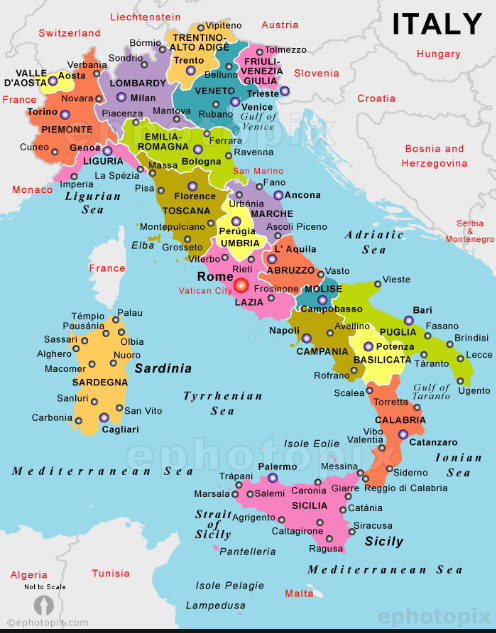
 Italy regions map • mappery Detailed map of italy, Italy


