
How Many People Visit Stonehenge Each Year? Stonehenge is one of the most popular tourist attractions in the UK, drawing visitors from around the world. In recent years, the number of visitors has fluctuated due to various factors, including the COVID-19 pandemic. Here are some key points about the annual visitor numbers:
- 2019: Stonehenge saw a peak in visitors, with approximately 1.6 million people visiting the site.
- 2020: The pandemic significantly impacted visitor numbers, which dropped to around 1.27 million.
- 2023: Visitor numbers rebounded to around 1.3 million, though still below pre-pandemic levels.
Despite these fluctuations, Stonehenge remains a major cultural attraction, managed by English Heritage and forming part of a UNESCO World Heritage Site along with Avebury
Table of Contents:
ToggleHow Many People Visit Stonehenge Each Year? Exploring the Mystique Behind Millions of Annual Visitors

Understanding Stonehenge’s Global Appeal
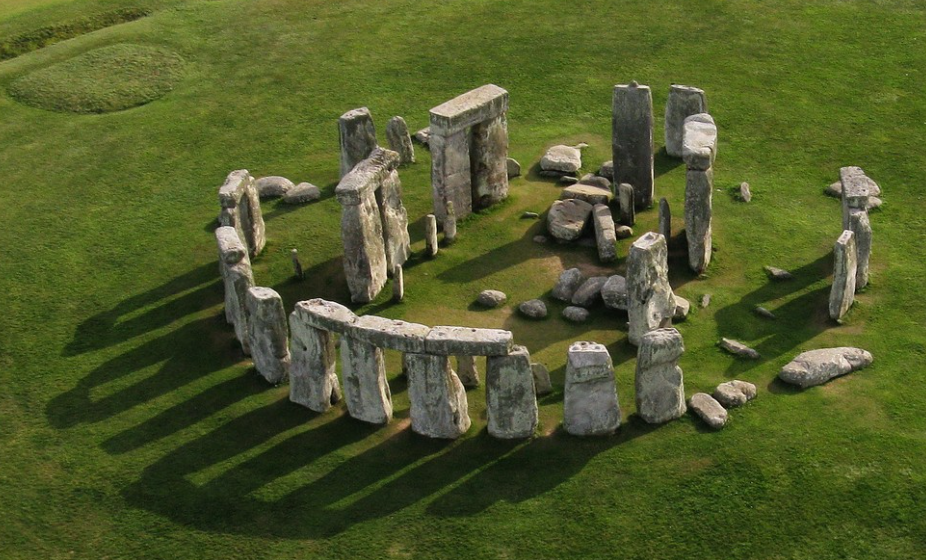
Stonehenge, a UNESCO World Heritage Site, stands as one of the most famous prehistoric monuments in the world, capturing the curiosity of millions. Built between 3000 BCE and 2000 BCE, Stonehenge is more than a ring of standing stones; it is a historical and spiritual marvel that invites people to connect with humanity’s ancient past. The mystery surrounding its construction, purpose, and alignment with astronomical events has turned it into a bucket-list destination for travelers worldwide.
Over the years, Stonehenge’s appeal has only grown, attracting nearly one million visitors annually. In fact, Stonehenge continues to rank among the top destinations in the UK for both domestic and international tourists, with attendance numbers often spiking around the summer and winter solstices. The primary factors contributing to its sustained popularity include its rich historical significance, scenic beauty, and the deep-rooted mysteries that still surround the site.
Stonehenge Visitor Statistics: A Breakdown of Annual Attendance
The consistent rise in Stonehenge tourism highlights its unique allure. Below is an overview of visitor trends over recent years, detailing how the numbers have fluctuated due to global events and evolving travel trends.
| Year | Estimated Visitors | Notes |
|---|---|---|
| 2019 | 1.6 million | Pre-pandemic peak |
| 2020 | 300,000 | Dramatic drop due to COVID-19 travel restrictions |
| 2021 | 700,000 | Partial recovery with eased restrictions |
| 2022 | 950,000 | Nearing pre-pandemic levels |
| 2023 | Over 1 million | Return to strong international interest |
Why Do People Visit Stonehenge? Key Reasons Behind Its Global Popularity
- Historical Curiosity: As one of the world’s oldest and most mysterious monuments, Stonehenge piques the interest of history enthusiasts, archaeologists, and casual visitors alike. The mystery of its purpose—whether an astronomical observatory, a burial site, or a place of worship—fascinates tourists of all ages.
- Cultural Significance: Stonehenge is deeply tied to British heritage, often symbolizing the ancient roots of British and European culture. Many visitors are drawn to its connection with Druidic rituals and ancient folklore.
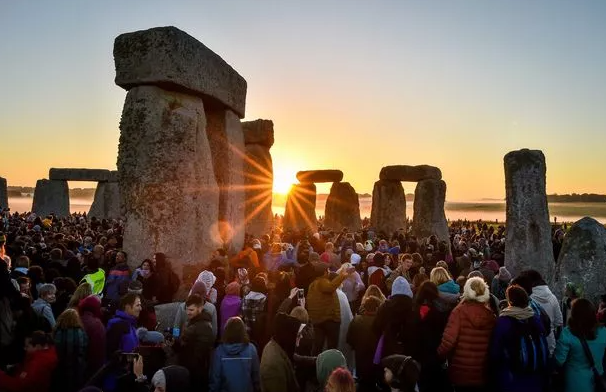
- Solstice Celebrations: The summer and winter solstices bring a surge in visitors, especially among those interested in ancient cultures, astronomy, and spirituality. Observing the sunrise or sunset align with the stones during these events offers a rare glimpse into the monument’s architectural brilliance.
- Photographic Appeal: The site’s picturesque setting on the Salisbury Plain, combined with the imposing beauty of the stones, makes it a favorite for photographers and social media influencers alike. Stonehenge’s unique silhouette at sunrise or sunset offers a breathtaking photo opportunity.
Impacts of High Visitor Numbers on Stonehenge
Stonehenge’s status as a global tourist destination brings both positive and negative impacts. While tourism generates significant revenue and raises awareness of cultural heritage, the high volume of visitors also poses challenges to the preservation of this ancient site. Here, we explore how the annual influx of tourists affects Stonehenge and the efforts taken to balance tourism with conservation.
Environmental and Structural Challenges
The sheer number of visitors creates several environmental and structural issues:
- Soil Erosion: Foot traffic from over a million annual visitors causes erosion around the site. Soil erosion can destabilize the land, risking damage to the stones’ foundations and the surrounding earthworks, like the Stonehenge Cursus and barrows (ancient burial mounds).
- Pollution and Waste: Increased visitor traffic brings pollution and waste. Visitors often bring food and drinks, leaving behind waste that can harm the local ecosystem. Although strict waste management policies are in place, maintaining cleanliness at such a heavily trafficked site remains challenging.
- Vibrational Stress on Stones: Even though visitors no longer directly touch or climb the stones due to protective barriers, proximity still impacts the monument. Vibrations from human movement and nearby vehicle traffic contribute to gradual structural stress, especially in areas of the site with weaker stone connections.
Conservation Efforts to Protect Stonehenge
To mitigate the impact of high tourism levels, the English Heritage Trust, responsible for Stonehenge, has implemented various conservation measures:
- Visitor Pathways: Specific paths and walkways guide visitors around the site without getting too close to the stones. This reduces direct stress on the ground and prevents soil erosion around the monument.
- Limited Access to Stones: To protect the structural integrity of Stonehenge, only select events, such as the solstices, allow close access to the stones. During most visits, a barrier keeps visitors a safe distance from the stones.
- Educational Programs and Digital Tours: English Heritage has developed digital resources to offer in-depth information about Stonehenge, its history, and its significance. These resources encourage learning while reducing the need for physical proximity to the stones, easing visitor flow.
Balancing Preservation and Public Access
Balancing tourism with preservation requires strategic planning and innovation. A prime example of this is the Stonehenge Visitor Centre, which opened in 2013. Located a short distance from the site itself, the centre provides immersive experiences, exhibitions, and detailed explanations about Stonehenge’s history, enhancing visitor knowledge and understanding. This approach allows tourists to engage deeply with the site’s cultural context without further endangering the stones.
Through the combination of physical conservation efforts and educational initiatives, English Heritage aims to sustain Stonehenge as both an accessible and protected site for generations to come.
Economic Benefits of Stonehenge Tourism
The tourism industry surrounding Stonehenge generates considerable economic benefits for the UK, particularly for the local economy of Wiltshire, where Stonehenge is located. This ancient monument draws in millions of dollars in revenue, supporting businesses, job creation, and infrastructure development. Here’s a closer look at how Stonehenge tourism impacts the economy.
Revenue Generation Through Visitor Spending
Stonehenge is a significant contributor to the UK’s tourism revenue. In addition to entrance fees, which provide funding for conservation, visitors spend money on various other services and products:
- Accommodation: Many travelers stay overnight or for a few days in the nearby town of Amesbury or other Wiltshire areas, benefiting local hotels, guesthouses, and B&Bs. The influx of international tourists, in particular, boosts demand for quality accommodations, from budget-friendly lodges to upscale hotels.
- Dining and Local Shops: Restaurants, cafes, and shops in Amesbury and Salisbury experience increased patronage due to Stonehenge tourism. Local businesses, such as souvenir shops, also benefit, as visitors often purchase memorabilia related to Stonehenge.
- Tour Packages and Transportation: Tour operators and transportation services benefit from the high volume of visitors. Many companies offer packaged tours that include transportation, accommodation, and guided tours of Stonehenge, often in combination with other attractions in Wiltshire.
Employment Opportunities
The tourism surrounding Stonehenge directly and indirectly supports thousands of jobs, ranging from conservation roles to hospitality and retail positions. Key employment sectors influenced by Stonehenge tourism include:
- Heritage and Conservation Roles: English Heritage employs numerous staff members dedicated to the upkeep of Stonehenge. These roles include conservators, guides, historians, and educational staff responsible for preserving the monument and enhancing visitor experience.
- Hospitality and Service Jobs: Hotels, restaurants, and transportation providers rely heavily on Stonehenge tourism. For instance, summer tourism peaks create seasonal jobs, while sustained visitation allows for permanent positions within local businesses.
- Tour Guides and Travel Services: Tour guides specializing in Wiltshire’s historical sites benefit from Stonehenge’s allure. Many visitors prefer guided experiences that provide deeper insights into the site’s history, which in turn, supports the local guide industry and the demand for cultural tours.
Economic Impact on Wiltshire and the Broader Region
Stonehenge’s presence significantly uplifts the economy in Wiltshire and nearby regions, attracting global tourists who contribute to local prosperity. Tourism-related businesses in Wiltshire experience sustained patronage, with the county welcoming over 2 million visitors annually, many of whom come specifically for Stonehenge.
Below is a snapshot of the estimated economic impact of Stonehenge on Wiltshire’s economy in recent years:
| Year | Estimated Visitor Spend | Contribution to Local GDP |
|---|---|---|
| 2019 | £55 million | Significant contribution to retail, hospitality |
| 2020 | £12 million | COVID-19 impact reduced earnings |
| 2021 | £30 million | Recovery phase with gradual increase in visitors |
| 2022 | £45 million | Strong rebound as international tourism resumes |
The economic benefits extend beyond the immediate vicinity of Stonehenge, with many tourists exploring other parts of England, such as Bath, Oxford, and London, creating a ripple effect in the broader UK economy.
A Lasting Economic Legacy
The consistent popularity of Stonehenge ensures a stable flow of revenue and ongoing economic benefits to the region. As one of the most iconic tourist attractions in the UK, Stonehenge continues to be an essential economic driver, supporting local employment and contributing to the country’s global tourism appeal. Additionally, the revenue from tourism helps fund conservation and educational efforts, ensuring Stonehenge remains a safeguarded and accessible heritage site.
Visitor Experiences and Key Tips for Visiting Stonehenge
For many, a visit to Stonehenge is a deeply memorable experience. The ancient site holds a unique aura, allowing visitors to connect with a distant past while exploring the mysteries of human ingenuity. To make the most of a trip to Stonehenge, visitors often seek insights on the best times to visit, what to expect, and practical tips to enhance their experience. Here, we offer a detailed look at what visitors can expect and essential tips for an unforgettable visit.
What to Expect When Visiting Stonehenge
- The Stone Circle: The main attraction is, of course, the iconic stone circle. Visitors are allowed to get reasonably close to the stones, although a barrier keeps them at a respectful distance to protect the site. For a special experience, English Heritage offers “Stone Circle Access Visits” at specific times, where limited groups can walk among the stones, providing an up-close view typically reserved for solstice events.
- Stonehenge Visitor Centre: The modern visitor center, located a short distance from the stone circle, offers exhibitions, artifacts, and a 360-degree audio-visual presentation that recreates what Stonehenge may have looked like thousands of years ago. The center also houses a café, gift shop, and educational exhibits that help contextualize the site within British and world history.
- Neolithic Village: Near the visitor center, reconstructed Neolithic huts showcase the lifestyle of the people who built Stonehenge. Visitors can enter these huts to see replicas of the tools and household items used by Stonehenge’s original builders, providing a fascinating glimpse into prehistoric life.
- Scenic Walks and Surrounding Areas: The area around Stonehenge offers beautiful views of the Wiltshire countryside. For those interested in a more extended visit, the Stonehenge landscape includes ancient burial mounds, or “barrows,” and other archaeological sites accessible via scenic walks.
Tips for Visiting Stonehenge
Making the most of a visit to Stonehenge requires a bit of planning. Here are some key tips to ensure a smooth and enjoyable experience:
- Best Time to Visit: Early mornings or late afternoons are ideal for fewer crowds, especially during peak summer months. Visiting during these times allows for better photos with softer lighting. If you’re interested in the solstice celebrations, remember these events attract large crowds, so plan accordingly.
- Booking in Advance: Due to Stonehenge’s popularity, purchasing tickets in advance is recommended. Stonehenge has a timed ticketing system, which helps manage visitor flow. Advanced booking ensures you get your preferred entry time.
- Dress for the Outdoors: Stonehenge is in an open landscape with limited shelter, so prepare for varying weather conditions. Sturdy footwear and weather-appropriate clothing are advised, as the ground can be uneven, especially on scenic walks around the site.
- Consider a Guided Tour: Many visitors find that a guided tour enhances their experience, providing historical context and stories about Stonehenge’s construction, alignment, and cultural significance. Some tours also include stops at nearby attractions like Avebury and Bath, offering a comprehensive historical journey.
- Photography Tips: Stonehenge offers incredible photography opportunities. The golden hours of sunrise and sunset provide particularly stunning backdrops, so plan accordingly if photography is a priority. Remember to respect the site’s rules and not cross the protective barriers.
Enhancing the Stonehenge Experience: Local Attractions
A visit to Stonehenge can be enriched by exploring nearby historical sites and charming towns. Here are a few popular destinations for visitors looking to expand their trip:
- Salisbury Cathedral: Located about 9 miles from Stonehenge, Salisbury Cathedral is home to one of the best-preserved copies of the Magna Carta. The impressive medieval architecture and lush cathedral grounds make it a must-visit attraction.
- Avebury Stone Circle: For those intrigued by ancient stone circles, Avebury offers an alternative experience. This lesser-known site features a larger stone circle that visitors can walk among freely, offering a more intimate encounter with Neolithic structures.
- Old Sarum: A short distance from Salisbury, Old Sarum is an ancient hill fort with ruins dating back to the Iron Age, Roman, and medieval periods. It provides a deeper insight into the area’s layered history, along with scenic views of Salisbury Plain.
Unique Events at Stonehenge
Stonehenge hosts several events throughout the year, providing unique ways to experience the site. Key annual events include:
- Summer and Winter Solstice Celebrations: The solstices are the only times visitors can get close to the stones without special access. These gatherings attract thousands of visitors from around the world, creating a vibrant atmosphere as people celebrate the sun’s alignment with the stones.
- Archaeology Days and Special Exhibits: English Heritage occasionally hosts special archaeology days and themed exhibits, allowing visitors to learn about the latest discoveries and research efforts related to Stonehenge and the wider prehistoric landscape.
Top Tips for a Memorable Visit
- Arrive Early: To experience Stonehenge with fewer crowds and enjoy the tranquility of the site, aim to arrive right at opening.
- Explore the Visitor Centre First: Starting with the exhibitions provides valuable context for the site, enriching the experience of seeing the stones up close.
- Stay for Sunset or Sunrise: These times offer breathtaking views and make for unforgettable photos.
Unveiling the Mysteries of Stonehenge: Fascinating Facts and Theories
Stonehenge, one of the world’s most iconic prehistoric monuments, has captivated the imagination of people for centuries. Located on Salisbury Plain in Wiltshire, England, this ancient site continues to intrigue archaeologists, historians, and visitors alike. In this article, we will explore some of the most interesting facts and enduring mysteries surrounding Stonehenge.
What secrets does Stonehenge hold? Despite extensive research, many aspects of Stonehenge remain shrouded in mystery. This article delves into the fascinating facts and theories that continue to puzzle experts and enthusiasts. Our effort in researching Stonehenge involves analyzing archaeological findings, historical records, and modern scientific studies. This comprehensive approach aims to provide a deeper understanding of the monument’s construction, purpose, and significance.
Key Takeaways of Stonehenge
| Aspect | Description |
|---|---|
| Construction Phases | Built over several decades in distinct phases |
| Types of Stones | Sarsen stones and bluestones from different regions |
| Transportation Mystery | Unclear how massive stones were transported |
| Astronomical Alignment | Possible connection to celestial events |
| Cultural Significance | May have served as a ceremonial or religious site |
Let’s delve deeper into the construction phases and the types of stones used in building Stonehenge. Stonehenge was not built all at once but rather in several phases over a period of approximately 1,500 years. The earliest phase, known as the Henge Phase, involved the construction of a circular ditch and bank, known as a henge, around 3000 BC. This was followed by the Sarsen Phase, where the iconic Sarsen stones were erected to form a circle within the henge around 2500 BC. The final phase, the Bluestone Phase, saw the addition of smaller bluestones, believed to have been transported from Wales, around 2300 BC.
Types of Stones
Stonehenge is composed of two main types of stones: Sarsen stones and bluestones. The Sarsen stones, which form the outer circle and the central horseshoe, weigh around 25 tons each and were sourced from the Marlborough Downs, about 20 miles away. The bluestones, on the other hand, are smaller and were transported from the Preseli Hills in South Wales, a distance of approximately 240 kilometers.
Transportation Mystery
One of the greatest mysteries of Stonehenge is how the massive stones were transported to the site. The Sarsen stones, weighing up to 25 tons, would have required significant effort to move over long distances. While some theories suggest that they were transported using sledges and rollers, the exact method remains unknown.
Astronomical Alignment
Stonehenge is believed to have an astronomical alignment, with its stones positioned to align with the movements of the sun and moon. The Heel Stone, a large sarsen stone outside the main circle, aligns with the sunrise on the summer solstice, suggesting that the monument may have been used for ceremonial or calendrical purposes.
Cultural Significance
The cultural significance of Stonehenge is still a subject of debate among archaeologists. Some theories propose that it served as a ceremonial or religious site, while others suggest it may have been a burial ground or a place for healing. The presence of human remains and artifacts found at the site supports the idea that it held great importance for the people who built it.
Stonehenge continues to be a source of fascination and mystery, offering a glimpse into the ingenuity and spiritual life of ancient peoples. While many questions remain unanswered, ongoing research and technological advancements may one day reveal more about this enigmatic monument.
References
Here are three references related to the annual visitor numbers at Stonehenge:
- Statista – This source provides detailed statistics on the number of visits to Stonehenge from 2010 to 2023, including the impact of COVID-19 on visitor numbers. You can find more information.
- Salisbury & Avon Gazette – This article reports on the increase in visitor numbers to Stonehenge in 2023, noting a 36% rise compared to the previous year. More details can be found.
- Stonehenge Visit – This page offers insights into the visitor numbers for the last three years and discusses the impact of COVID-19 on these numbers. You can explore further.
- English Heritage. (2016). 30 things you might not know about Stonehenge. Retrieved from https://www.english-heritage.org.uk/visit/inspire-me/blog/blog-posts/30-things-you-might-not-know-about-stonehenge/
- StonehengeVisit.co.uk. (n.d.). Top 15 Interesting Stonehenge Facts You Might Not Know. Retrieved from https://stonehengevisit.co.uk/facts
- My Modern Met. (n.d.). 7 Fascinating Facts About England’s Mysterious Stonehenge. Retrieved from https://mymodernmet.com/stonehenge-facts/
No related posts.


