
Top Tourist Attractions In France Paris. Paris, the City of Light, is a treasure trove of iconic landmarks, world-class museums, and vibrant neighborhoods. Whether you’re a first-time visitor or a seasoned traveler, Paris offers an endless array of attractions to explore. In this comprehensive guide, we’ll delve into the top tourist attractions in Paris, providing you with in-depth knowledge and useful tips to make the most of your visit.
Top Tourist Attractions in France Paris

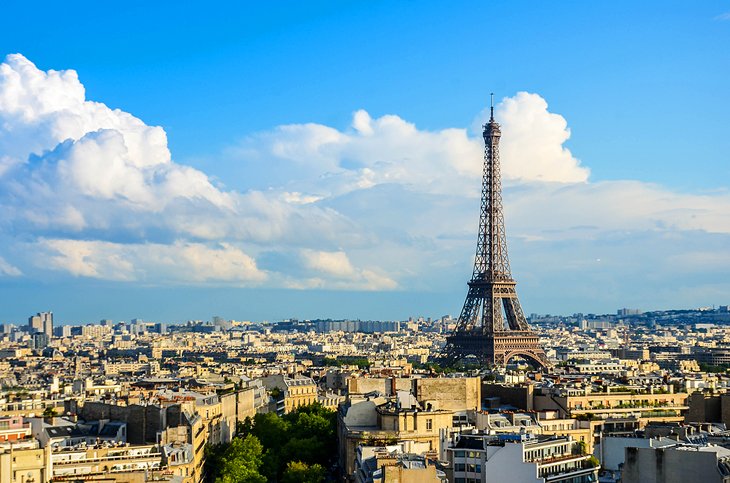 15 Top Rated Tourist Attractions In France Planetware – Top Tourist Attractions In France Paris
1. Eiffel Tower (Tour Eiffel)
The Eiffel Tower is undoubtedly the most famous landmark in Paris. Constructed by Gustave Eiffel for the 1889 World’s Fair, this towering structure stands at 324 meters tall and offers breathtaking views of the city from its three levels. Whether you choose to take the stairs or the elevator, a visit to the Eiffel Tower is a must.
Interesting Tip: For a truly memorable experience, visit the Eiffel Tower at night when it sparkles with thousands of lights every hour on the hour. It’s a magical sight that captures the essence of Paris.
2. Musée du Louvre
The Louvre is the world’s largest art museum and a historic monument in Paris. Home to over 35,000 works of art, including the Mona Lisa and the Venus de Milo, the Louvre is a cultural powerhouse that attracts millions of visitors each year. The museum’s vast collection spans thousands of years and includes masterpieces from various civilizations.
Interesting Tip: To avoid long queues, consider purchasing tickets online in advance or visiting during off-peak hours. The museum is open late on Wednesdays and Fridays, making it a great time to explore without the crowds.
3. Avenue des Champs-Élysées
The Champs-Élysées is one of the most famous avenues in the world, known for its luxury shops, theaters, and cafes. Stretching from Place de la Concorde to the Arc de Triomphe, this iconic street is a shopper’s paradise and a great place to stroll and soak in the Parisian atmosphere.
Interesting Tip: Take a leisurely walk down the Champs-Élysées and enjoy the window shopping, street performances, and vibrant ambiance. Don’t forget to stop by Ladurée for some delicious macarons!
4. Musée d’Orsay
Located in a former railway station, the Musée d’Orsay houses an extensive collection of Impressionist and Post-Impressionist masterpieces. With works by artists such as Monet, Degas, and Van Gogh, the museum offers a fascinating glimpse into the world of 19th-century art.
Interesting Tip: Visit the Musée d’Orsay on a weekday morning to avoid crowds and enjoy a more intimate viewing experience. The museum also offers free entry on the first Sunday of each month.
5. Notre-Dame Cathedral
The Notre-Dame Cathedral is a stunning example of French Gothic architecture and one of the most famous cathedrals in the world. Although the cathedral suffered significant damage in the 2019 fire, restoration efforts are underway, and visitors can still admire its magnificent facade and intricate details.
Interesting Tip: While the interior of Notre-Dame is currently closed for restoration, you can still enjoy the exterior and the surrounding Île de la Cité. Consider taking a Seine River cruise to get a different perspective of the cathedral.
6. Sacré-Cœur Basilica
Perched on the highest point in Paris, the Sacré-Cœur Basilica offers panoramic views of the city. This Roman Catholic church, located in the Montmartre district, is known for its stunning white domes and intricate interior decorations.
Interesting Tip: Visit the Sacré-Cœur Basilica early in the morning to avoid crowds and enjoy a peaceful moment of reflection. The surrounding Montmartre neighborhood is also worth exploring for its artistic history and charming streets.
7. Palace of Versailles
Located just outside of Paris, the Palace of Versailles is a grandiose symbol of the French monarchy. With its opulent interiors, expansive gardens, and historical significance, the palace is a must-visit destination for history enthusiasts and architecture lovers.
Interesting Tip: Plan to spend at least half a day at the Palace of Versailles to fully appreciate its grandeur. Consider visiting the gardens, which are equally impressive and offer a peaceful escape from the crowds.
8. Centre Pompidou
The Centre Pompidou, also known as the Pompidou Center, is a modern art museum and cultural center in the heart of Paris. With its unique architectural design and extensive collection of contemporary art, the center is a hub for art lovers and cultural enthusiasts.
Interesting Tip: Visit the Centre Pompidou on a Thursday evening when it offers free entry from 6:00 PM to 10:00 PM. This is a great time to explore the museum and enjoy its vibrant atmosphere.
9. Seine River Cruises
A Seine River cruise is a fantastic way to see the highlights of Paris from a different perspective. These boat tours offer a relaxing and scenic way to admire the city’s iconic landmarks, including the Eiffel Tower, Notre-Dame Cathedral, and the Musée du Louvre.
Interesting Tip: Consider taking an evening cruise to experience the beauty of Paris lit up at night. Many cruise operators offer dinner cruises, combining a delicious meal with stunning views of the city.
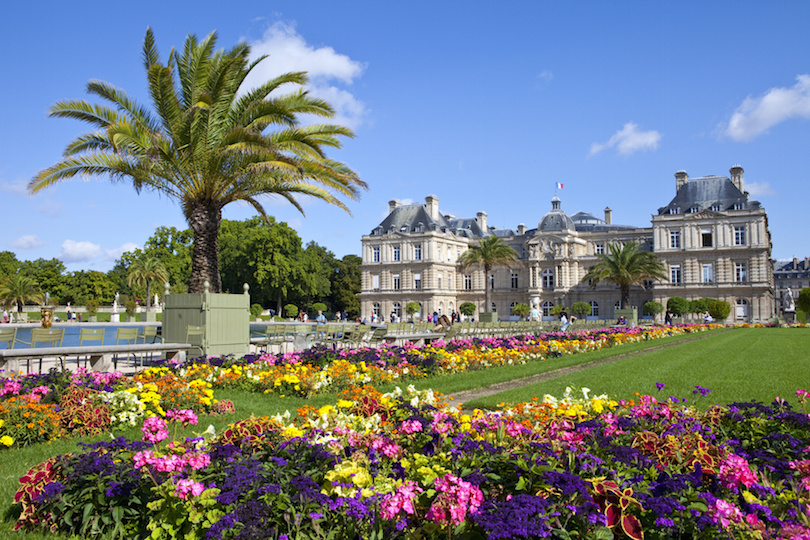
10. Jardin du Luxembourg
The Luxembourg Gardens, located in the 6th arrondissement, are a peaceful oasis in the heart of Paris. With its beautiful lawns, fountains, and statues, the garden is a perfect spot for a leisurely stroll or a relaxing afternoon.
Interesting Tip: Visit the Luxembourg Gardens during the spring or summer months when the flowers are in bloom and the atmosphere is especially vibrant.
Paris is a city that never fails to captivate visitors with its rich history, stunning architecture, and vibrant culture. By exploring these top tourist attractions, you’ll gain a deeper appreciation for the beauty and charm of the City of Light. Whether you’re admiring the Eiffel Tower, wandering through the Louvre, or strolling along the Champs-Élysées, Paris offers an unforgettable experience for all who visit.
Top Tourist Attractions In France Paris to Visit:
1. Eiffel Tower: Paris’s Crown Jewel

The Eiffel Tower, known in French as “La Tour Eiffel,” is arguably the most iconic symbol of Paris and one of the most recognizable structures in the world. Designed by the engineer Gustave Eiffel, the tower was constructed for the 1889 Exposition Universelle (World’s Fair) held to commemorate the 100th anniversary of the French Revolution. Today, it stands as a testament to human ingenuity and remains a must-visit attraction for anyone traveling to Paris.
Architectural Marvel
Standing at a remarkable height of 324 meters (1,063 feet), the Eiffel Tower was the tallest man-made structure in the world until the completion of the Chrysler Building in New York in 1930. Its lattice design, made of wrought iron, exemplifies the industrial prowess of the 19th century and is a marvel of engineering.
- Design and Construction: The construction of the Eiffel Tower took just over two years, from January 1887 to March 1889. It involved 18,038 individual iron parts and 2.5 million rivets. Gustave Eiffel’s innovative use of open-lattice wrought iron set a new standard for architectural design and engineering.
- Three Levels: The tower has three publicly accessible levels. The first and second levels feature restaurants and shops, while the third level, at 276 meters (906 feet), offers a breathtaking panoramic view of Paris. An elevator ride to the top is an unforgettable experience, but visitors can also choose to climb the 704 steps to the second level for a more physically engaging adventure.
Cultural Significance
The Eiffel Tower has played a significant role in both Parisian culture and the global cultural landscape. Initially met with criticism from some of France’s leading artists and intellectuals, it has since become a beloved emblem of France and an enduring symbol of romance and adventure.
- Art and Literature: The Eiffel Tower has inspired countless works of art, literature, and film. It has appeared in famous movies such as “Midnight in Paris,” “The Da Vinci Code,” and “Ratatouille.” Writers like Guy de Maupassant and poets like Guillaume Apollinaire have also immortalized it in their works.
- Public Events: The tower regularly hosts events, including light shows, concerts, and exhibitions. During national celebrations, such as Bastille Day on July 14th, the Eiffel Tower becomes the focal point of spectacular fireworks displays, attracting thousands of spectators.
Visitor Information
To make the most of your visit to the Eiffel Tower, consider the following tips and information:
- Opening Hours: The Eiffel Tower is open every day of the year, from 9:30 AM to 11:45 PM (extended hours in the summer from 9:00 AM to 12:45 AM).
- Ticket Prices: Ticket prices vary depending on the level you wish to visit and whether you choose to take the stairs or the elevator. As of 2024, the ticket prices are approximately €10.50 for stairs access to the second floor and €26.10 for elevator access to the summit.
- Online Reservations: To avoid long lines, it is highly recommended to purchase tickets online in advance. This will save you time and ensure you get the desired date and time for your visit.
- Best Time to Visit: For the best experience, visit early in the morning or late in the evening to avoid peak tourist crowds. The Eiffel Tower’s lights illuminate the night sky from sunset to 1:00 AM, with a special sparkling display for five minutes at the start of each hour.
Interesting Tip
For a truly unique experience, dine at one of the tower’s exquisite restaurants. The first level features the 58 Tour Eiffel, offering contemporary French cuisine with stunning views. On the second level, the Michelin-starred Le Jules Verne provides a gourmet dining experience with a panoramic view of Paris.
Visitor Information Chart
| Aspect | Details |
|---|---|
| Location | Champ de Mars, 5 Avenue Anatole France, 75007 Paris |
| Height | 324 meters (1,063 feet) |
| Construction | January 1887 – March 1889 |
| Opening Hours | 9:30 AM to 11:45 PM (extended in summer) |
| Ticket Prices | €10.50 (stairs to 2nd floor), €26.10 (elevator to summit) |
| Restaurants | 58 Tour Eiffel (1st level), Le Jules Verne (2nd level) |
| Website |
2. Musée du Louvre: A Treasure Trove of Art

The Musée du Louvre, commonly known as the Louvre, is the world’s largest art museum and a historic monument in Paris. Originally built as a fortress in the late 12th century by King Philip II, the Louvre was transformed into a royal palace and later into a public museum during the French Revolution. Today, the Louvre houses an extensive collection of artworks spanning from ancient civilizations to the 19th century, making it a must-visit destination for art enthusiasts and history buffs alike.
Architectural Masterpiece
The Louvre’s architectural grandeur is as impressive as the masterpieces it contains. The complex comprises multiple buildings, each representing different architectural styles from the medieval, Renaissance, and modern periods.
- The Palace: The original medieval fortress was gradually expanded and renovated over the centuries, with significant additions made during the Renaissance under King Francis I and later under Louis XIV. The resulting structure is a magnificent blend of Gothic, Renaissance, and Baroque architecture.
- The Pyramid: The modern glass pyramid, designed by architect I.M. Pei and completed in 1989, serves as the main entrance to the museum. The pyramid’s sleek, contemporary design contrasts with the historic palace, creating a striking visual harmony.
World-Class Collections
The Louvre’s vast collection is divided into eight departments, each showcasing a diverse range of artworks from different periods and cultures. The museum’s permanent collection includes over 35,000 works of art, making it one of the most comprehensive art collections in the world.
- Paintings: The Louvre’s painting collection spans from the Middle Ages to the 19th century, with iconic works such as Leonardo da Vinci’s “Mona Lisa,” Eugène Delacroix’s “Liberty Leading the People,” and Johannes Vermeer’s “The Lacemaker.”
- Sculptures: The museum’s sculpture collection features masterpieces from ancient to modern times, including the Venus de Milo, Michelangelo’s “Dying Slave,” and the Winged Victory of Samothrace.
- Egyptian Antiquities: The Egyptian Antiquities department houses one of the world’s most extensive collections of ancient Egyptian artifacts, including the Great Sphinx of Tanis and the Seated Scribe.
- Greek, Etruscan, and Roman Antiquities: This department includes classical sculptures, pottery, and jewelry from ancient Greece, Etruria, and Rome.
- Islamic Art: The Islamic Art department showcases a rich array of ceramics, textiles, and metalwork from the Islamic world, spanning from the 7th to the 19th centuries.
- Near Eastern Antiquities: This department features artifacts from the ancient Near East, including Mesopotamia, Persia, and Anatolia, with highlights such as the Code of Hammurabi and the Assyrian Lamassu.
- Decorative Arts: The decorative arts collection includes exquisite furniture, tapestries, and jewelry from the Middle Ages to the 19th century.
- Prints and Drawings: The Prints and Drawings department boasts a vast array of works on paper, including drawings by Michelangelo, Raphael, and Rembrandt.
Interesting Tip
To make the most of your visit to the Louvre, consider focusing on a few key highlights rather than trying to see everything in one go. The museum is vast, and it can be overwhelming to explore it all in a single visit. Opt for a guided tour or use the museum’s audio guide to gain deeper insights into the most famous artworks. Additionally, visiting during off-peak hours, such as early morning or late evening, can help you avoid the crowds and enjoy a more intimate experience.
Louvre Visitor Information
| Aspect | Details |
|---|---|
| Location | Rue de Rivoli, 75001 Paris, France |
| Opening Hours | 9:00 AM to 6:00 PM (closed Tuesdays) |
| Ticket Price | €17.00 (permanent collection) |
| Website |
3. Avenue des Champs-Élysées: The Most Beautiful Avenue in the World

The Avenue des Champs-Élysées is arguably the most famous boulevard in Paris and is often referred to as “La plus belle avenue du monde” or “The most beautiful avenue in the world.” Stretching for nearly 2 kilometers from the Place de la Concorde to the Arc de Triomphe, the Champs-Élysées is a major thoroughfare lined with luxury shops, theaters, cafes, and historical landmarks. This iconic avenue embodies the elegance and grandeur of Paris and is a must-visit destination for anyone exploring the city.
Historical Significance
The Champs-Élysées has a rich history that dates back to the 17th century when it was originally laid out as an extension of the Tuileries Garden. Over the centuries, the avenue evolved into a symbol of Parisian luxury and refinement.
- Development: The avenue was developed in the 1660s under the direction of André Le Nôtre, the landscape architect of the Gardens of Versailles. It was later extended and transformed into the grand boulevard we know today.
- Cultural Importance: The Champs-Élysées has played a significant role in French history, serving as the site for military parades, national celebrations, and public demonstrations. The annual Bastille Day military parade takes place here, as does the final stage of the Tour de France.
Shopping and Entertainment
The Champs-Élysées is renowned for its world-class shopping and entertainment options. From high-end boutiques to flagship stores, the avenue offers a shopping experience like no other.
- Luxury Brands: The avenue is home to numerous luxury brands, including Louis Vuitton, Chanel, Dior, and Cartier. These flagship stores attract fashion enthusiasts from around the world.
- Department Stores and Flagship Stores: Iconic stores like Galeries Lafayette and flagship outlets of global brands such as Apple and Sephora add to the shopping allure of the Champs-Élysées.
- Cinemas and Theaters: The avenue boasts several historic cinemas and theaters, including the Gaumont Champs-Élysées and the Théâtre des Champs-Élysées, which host a variety of film screenings and live performances.
Cafes and Restaurants
Dining on the Champs-Élysées is an experience in itself, with a range of options from casual cafes to gourmet restaurants.
- Le Fouquet’s: This historic restaurant, established in 1899, is a Parisian institution known for its classic French cuisine and celebrity clientele.
- Laduree: Famous for its delicious macarons, Ladurée is a must-visit patisserie on the Champs-Élysées. Enjoy a cup of tea and a selection of pastries in their elegant tea room.
- Brasserie L’Alsace: For a taste of traditional French brasserie fare, Brasserie L’Alsace offers a menu featuring seafood, steaks, and classic dishes like choucroute garnie.
Interesting Tip
For a unique experience, visit the Champs-Élysées during the annual Christmas market, which takes place from late November to early January. The avenue is adorned with festive lights and decorations, and the market features stalls selling holiday treats, crafts, and gifts. This is a great time to enjoy the magical atmosphere and indulge in some seasonal delights.
Champs-Élysées Visitor Information
| Aspect | Details |
|---|---|
| Location | From Place de la Concorde to Arc de Triomphe, Paris |
| Length | 1.9 kilometers (1.2 miles) |
| Major Attractions | Arc de Triomphe, Place de la Concorde, luxury shops, theaters |
| Dining Options | Le Fouquet’s, Ladurée, Brasserie L’Alsace |
| Annual Events | Bastille Day parade, Tour de France finale, Christmas market |
4. Musée d’Orsay: A Haven for Impressionist Art

The Musée d’Orsay, housed in a stunning Beaux-Arts railway station built between 1898 and 1900, is one of Paris’s premier art museums. Located on the Left Bank of the Seine, the museum boasts an extensive collection of art dating from 1848 to 1914, including the world’s largest collection of Impressionist and Post-Impressionist masterpieces. Its unique setting and rich collection make it a must-visit destination for art lovers.
Architectural Splendor
The building that houses the Musée d’Orsay is a work of art in itself. Originally constructed as the Gare d’Orsay railway station, it was designed by architect Victor Laloux for the 1900 Exposition Universelle (World’s Fair). After serving as a station until 1939, the building was repurposed and transformed into a museum, opening its doors to the public in 1986.
- Design and Layout: The museum retains many original features of the railway station, including the grand hall, which now serves as the central exhibition space. The vast, open layout with high ceilings and large windows allows natural light to illuminate the artworks, creating a bright and inviting atmosphere.
Impressionist and Post-Impressionist Masterpieces
The Musée d’Orsay is renowned for its extensive collection of Impressionist and Post-Impressionist art, featuring works by some of the most celebrated artists of the 19th and early 20th centuries.
- Impressionism: The museum’s Impressionist collection includes iconic works by Claude Monet, Pierre-Auguste Renoir, Edgar Degas, and Camille Pissarro. Highlights include Monet’s “Woman with a Parasol,” Renoir’s “Dance at Le Moulin de la Galette,” and Degas’s “The Ballet Class.”
- Post-Impressionism: The Post-Impressionist collection features masterpieces by artists such as Vincent van Gogh, Paul Cézanne, Paul Gauguin, and Georges Seurat. Notable works include Van Gogh’s “Starry Night Over the Rhône,” Cézanne’s “The Card Players,” and Seurat’s “A Sunday Afternoon on the Island of La Grande Jatte.”
Other Notable Collections
In addition to its Impressionist and Post-Impressionist holdings, the Musée d’Orsay offers a diverse range of artworks from various movements and periods.
- Academic and Symbolist Art: The museum houses significant works by Academic and Symbolist artists such as William-Adolphe Bouguereau, Gustave Moreau, and Odilon Redon.
- Sculpture: The sculpture collection includes pieces by Auguste Rodin, Aristide Maillol, and Jean-Baptiste Carpeaux. The grand hall features several large-scale sculptures that add to the dramatic ambiance of the space.
- Decorative Arts: The museum’s decorative arts section showcases furniture, ceramics, glassware, and jewelry from the Art Nouveau and Arts and Crafts movements. Highlights include pieces by Émile Gallé and René Lalique.
Interesting Tip
To enhance your visit, consider renting an audio guide or joining a guided tour, which provide valuable insights into the artworks and the history of the museum. Additionally, visiting during off-peak hours, such as early mornings or late afternoons, can help you avoid crowds and enjoy a more peaceful experience.
Musée d’Orsay Visitor Information
| Aspect | Details |
|---|---|
| Location | 1 Rue de la Légion d’Honneur, 75007 Paris, France |
| Opening Hours | 9:30 AM to 6:00 PM (Thursdays open until 9:45 PM, closed Mondays) |
| Ticket Price | €16.00 (permanent collection) |
| Website |
5. Notre-Dame Cathedral: A Gothic Masterpiece

Notre-Dame Cathedral, or Notre-Dame de Paris, is one of the most iconic and historically significant landmarks in Paris. This magnificent Gothic cathedral, located on the Île de la Cité in the heart of the city, has been a center of Catholic worship and a symbol of Parisian heritage for over 850 years. Although the cathedral suffered severe damage in the devastating fire of April 2019, efforts are underway to restore it to its former glory.
Architectural Splendor
Notre-Dame is renowned for its stunning Gothic architecture, characterized by its pointed arches, ribbed vaults, and flying buttresses. The cathedral’s intricate design and artistic details make it a masterpiece of medieval craftsmanship.
- Facade: The western facade, with its two majestic towers, is one of the most recognizable features of Notre-Dame. It is adorned with statues, carvings, and the famous Gallery of Kings, which depicts 28 statues of biblical kings.
- Rose Windows: The three rose windows, located on the western, northern, and southern facades, are among the most beautiful and significant features of the cathedral. These stained glass windows, dating back to the 13th century, depict biblical scenes and saints in vibrant colors.
- Interior: The interior of Notre-Dame is equally breathtaking, with its soaring nave, ribbed vaults, and stunning stained glass windows. The cathedral’s altar, choir, and numerous chapels are adorned with intricate sculptures and religious artifacts.
Historical Significance
Notre-Dame has played a crucial role in the history of Paris and France, serving as the backdrop for significant events and ceremonies.
- Coronations and Weddings: The cathedral has hosted numerous royal coronations, weddings, and state funerals. One of the most famous events held at Notre-Dame was the coronation of Napoleon Bonaparte as Emperor of the French in 1804.
- French Revolution: During the French Revolution, Notre-Dame suffered extensive damage, and many of its religious treasures were destroyed or plundered. The cathedral was restored in the 19th century under the direction of architect Eugène Viollet-le-Duc.
- Victor Hugo’s “The Hunchback of Notre-Dame”: The publication of Victor Hugo’s novel in 1831 brought renewed attention to the cathedral and helped spur efforts to preserve and restore the historic structure.
Restoration Efforts
The fire that engulfed Notre-Dame in April 2019 caused significant damage, including the collapse of the iconic spire and extensive destruction to the roof. Despite the tragedy, efforts to restore the cathedral are in full swing, with a goal of reopening by 2024.
- Reconstruction: The restoration project aims to faithfully rebuild the damaged sections of Notre-Dame using traditional materials and techniques. The original plans and photographs are being used to ensure historical accuracy.
- Donations and Support: The restoration effort has received overwhelming support from around the world, with millions of euros in donations pledged by individuals, organizations, and governments.
Interesting Tip
While the interior of Notre-Dame is currently closed to the public due to restoration work, you can still enjoy the exterior and the surrounding Île de la Cité. Consider taking a guided walking tour to learn about the history and significance of the cathedral and its architectural features. Additionally, visiting the nearby Sainte-Chapelle, known for its stunning stained glass windows, offers a complementary experience of Gothic architecture.
Notre-Dame Cathedral Visitor Information
| Aspect | Details |
|---|---|
| Location | 6 Parvis Notre-Dame – Pl. Jean-Paul II, 75004 Paris, France |
| Construction Period | 1163 – 1345 |
| Architectural Style | French Gothic |
| Restoration Timeline | Estimated completion by 2024 |
| Website |
6. Sacré-Cœur Basilica- The Heart of Montmartre

The Basilica of the Sacred Heart of Paris, commonly known as Sacré-Cœur, is a Roman Catholic church and minor basilica located at the summit of Montmartre, the highest point in Paris. This iconic white-domed structure is a prominent landmark and one of the most visited attractions in the city. Built as a symbol of hope and faith, the Sacré-Cœur Basilica offers breathtaking panoramic views of Paris and a serene atmosphere for reflection and prayer.
Architectural Beauty
Sacré-Cœur’s distinctive white facade, constructed from travertine stone, glows brilliantly in the sunlight, making it a striking feature on the Parisian skyline. The basilica’s design is a blend of Romanesque and Byzantine elements, creating a unique and harmonious architectural style.
- Exterior: The basilica’s exterior is adorned with statues and intricate carvings. The grand entrance features a porch with three arches, above which stand equestrian statues of Saints Joan of Arc and Louis IX.
- Domes: Sacré-Cœur’s central dome, standing at 83 meters (272 feet) tall, is flanked by two smaller domes. The central dome can be accessed by climbing 300 steps, rewarding visitors with a spectacular view of Paris.
- Bell Tower: The bell tower houses the Savoyarde bell, one of the heaviest bells in the world, weighing over 19 tons. The bell chimes on special occasions and adds to the basilica’s majestic presence.
Interior Splendor
The interior of Sacré-Cœur is equally impressive, with its vast, open space and stunning mosaics. The basilica’s serene and contemplative ambiance makes it a place of worship and reflection for visitors from around the world.
- Mosaic of Christ in Majesty: One of the largest mosaics in the world, depicting Christ with outstretched arms, covers the apse of the basilica. The mosaic, completed in 1923, is a masterpiece of religious art.
- Altar and Chapels: The main altar, adorned with marble and gold, is the focal point of the interior. The basilica also features several side chapels dedicated to various saints and religious figures.
- Crypt: The crypt of Sacré-Cœur contains relics and statues, offering a quiet space for contemplation and prayer.
Historical and Cultural Significance
The construction of Sacré-Cœur began in 1875 and was completed in 1914, with the basilica consecrated in 1919. The basilica was built as an expression of national penance and hope following the Franco-Prussian War and the Paris Commune.
- Montmartre: The basilica is located in the historic and artistic neighborhood of Montmartre, known for its bohemian atmosphere and vibrant arts scene. The area has been home to many famous artists, including Picasso, Van Gogh, and Toulouse-Lautrec.
- Religious Pilgrimage: Sacré-Cœur remains an important site for religious pilgrimages, attracting visitors who come to pray, attend mass, and seek solace.
Interesting Tip
To fully experience the charm of Sacré-Cœur and Montmartre, consider exploring the surrounding neighborhood. Wander through the picturesque streets, visit the Place du Tertre where artists display their work, and enjoy a meal at one of the many cafes and restaurants. The area is particularly enchanting in the early morning or late evening when it is less crowded and the views of Paris are especially magical.
Sacré-Cœur Basilica Visitor Information
| Aspect | Details |
|---|---|
| Location | 35 Rue du Chevalier de la Barre, 75018 Paris, France |
| Construction Period | 1875 – 1914 |
| Architectural Style | Romanesque-Byzantine |
| Opening Hours | 6:00 AM to 10:30 PM (daily) |
| Dome Access | 8:30 AM to 8:00 PM (summer), 9:00 AM to 5:00 PM (winter) |
| Admission | Free (Dome and Crypt have a small fee) |
| Website |
7. Palace of Versailles: A Symbol of Royal Grandeur

The Palace of Versailles, located just outside of Paris, is a stunning example of French Baroque architecture and one of the most magnificent royal residences in the world. Originally a hunting lodge for King Louis XIII, it was transformed and expanded by his son, King Louis XIV, into a grand palace that symbolized the absolute power and opulence of the French monarchy. Today, the Palace of Versailles is a UNESCO World Heritage Site and a major tourist attraction, drawing millions of visitors each year.
Architectural and Artistic Masterpiece
The Palace of Versailles is renowned for its lavish architecture, exquisite interiors, and beautifully landscaped gardens. The grandeur of the palace reflects the artistic and cultural achievements of the French court during the 17th and 18th centuries.
- The Hall of Mirrors (Galerie des Glaces): One of the most famous rooms in the palace, the Hall of Mirrors is a breathtaking gallery lined with 17 mirrored arches reflecting the windows overlooking the gardens. The hall is adorned with crystal chandeliers, gilded statues, and intricate ceiling paintings by Charles Le Brun. It served as a venue for grand receptions and ceremonies, including the signing of the Treaty of Versailles in 1919.
- The King’s State Apartments: These opulent rooms were used for official functions and include the Hall of Hercules, the Hall of Plenty, and the Hall of Venus. The apartments are decorated with luxurious tapestries, paintings, and ornate furniture.
- The Queen’s State Apartments: Designed for Marie Antoinette, the Queen’s State Apartments consist of elegant rooms such as the Queen’s Bedchamber, the Nobles’ Room, and the Royal Table Antechamber. The rooms are adorned with exquisite silk fabrics, rococo-style decorations, and portraits of the queen.
The Gardens of Versailles
The palace’s expansive gardens, designed by André Le Nôtre, are a masterpiece of landscape architecture and an integral part of the Versailles experience. Covering over 800 hectares, the gardens feature meticulously manicured lawns, geometric flowerbeds, ornamental lakes, and grand fountains.
- The Grand Canal: This man-made canal stretches for 1.67 kilometers and served as the setting for boating parties and water displays. It offers picturesque views of the palace and gardens.
- The Fountains: The gardens are adorned with numerous fountains, each with its unique design and mythology-inspired sculptures. The Latona Fountain, the Apollo Fountain, and the Neptune Fountain are among the most notable.
- The Orangerie: This elegant greenhouse houses a collection of citrus trees and exotic plants. During the summer, the trees are displayed on the parterre, adding to the beauty of the gardens.
The Estate of Trianon
In addition to the main palace, the Estate of Trianon includes two smaller palaces, the Grand Trianon and the Petit Trianon, as well as the Queen’s Hamlet.
- The Grand Trianon: Built by Louis XIV as a retreat from the formalities of court life, the Grand Trianon is a charming palace with a pink marble facade and beautifully decorated rooms.
- The Petit Trianon: Given to Marie Antoinette by Louis XVI, the Petit Trianon is a more intimate and personal residence. The queen used it as a private sanctuary where she could escape the rigid etiquette of the court.
- The Queen’s Hamlet: Inspired by the rustic charm of rural life, the Queen’s Hamlet is a picturesque village built for Marie Antoinette. It includes a farmhouse, a dairy, and a mill, all set around a tranquil lake.
Interesting Tip
To fully appreciate the splendor of Versailles, consider spending an entire day exploring the palace, gardens, and Trianon estates. Arriving early in the morning can help you avoid the crowds and enjoy a more peaceful experience. Additionally, during the summer months, the palace offers special events such as the Musical Fountains Show and the Night Fountains Show, where the gardens are illuminated, and the fountains are set to music.
Palace of Versailles Visitor Information
| Aspect | Details |
|---|---|
| Location | Place d’Armes, 78000 Versailles, France |
| Construction Period | 1623 – 1715 |
| Architectural Style | French Baroque |
| Opening Hours | 9:00 AM to 6:30 PM (gardens open until 8:30 PM) |
| Ticket Price | €20.00 (Palace only), €27.00 (Palace, Gardens, and Trianon Estate) |
| Website |
8. Centre Pompidou: A Modern Art Mecca

The Centre Pompidou, also known as the Pompidou Center, is one of Paris’s most distinctive and innovative cultural institutions. Located in the Beaubourg area of the 4th arrondissement, the Centre Pompidou stands out with its radical architectural design and its dedication to modern and contemporary art. Since its opening in 1977, the museum has become a hub for artistic expression, hosting a vast collection of modern art, temporary exhibitions, and a variety of cultural activities.
Architectural Innovation
The Centre Pompidou is renowned for its unique and unconventional architecture, designed by architects Renzo Piano and Richard Rogers. The building’s “inside-out” design features exposed structural elements, such as pipes, ducts, and escalators, all color-coded according to their function.
- Exterior: The building’s exterior is a visual feast of brightly colored pipes and tubes. Blue pipes represent climate control, green for plumbing, yellow for electrical systems, and red for movement and safety, such as escalators and elevators. The exposed skeleton of the structure gives it a futuristic and industrial look.
- Plaza: The large open plaza in front of the Centre Pompidou serves as a gathering place for street performers, artists, and visitors. It’s a lively area that adds to the dynamic atmosphere of the museum.
World-Class Collections
The Centre Pompidou houses the Musée National d’Art Moderne, which boasts one of the world’s most comprehensive collections of 20th and 21st-century art. The museum’s collection spans various movements and styles, offering a rich and diverse artistic experience.
- Modern Art: The collection includes works by iconic modern artists such as Pablo Picasso, Henri Matisse, Joan Miró, and Wassily Kandinsky. Visitors can explore masterpieces from Cubism, Fauvism, Surrealism, and Abstract Expressionism.
- Contemporary Art: The museum’s contemporary art section features works by influential artists from the latter half of the 20th century to the present day. Notable artists include Andy Warhol, Jackson Pollock, and Jeff Koons.
- Temporary Exhibitions: The Centre Pompidou regularly hosts temporary exhibitions that showcase cutting-edge art and explore contemporary issues. These exhibitions often include installations, multimedia works, and performances, providing a dynamic and ever-changing artistic experience.
Cultural Activities and Public Spaces
In addition to its impressive art collection, the Centre Pompidou offers a wide range of cultural activities and public spaces that cater to diverse interests.
- Public Library (BPI): The Bibliothèque Publique d’Information (BPI) is a large public library located within the Centre Pompidou. It provides free access to a vast collection of books, periodicals, and multimedia resources.
- Cinema and Performing Arts: The Centre Pompidou features a cinema and performance spaces that host film screenings, theater productions, and dance performances. The program often includes avant-garde and experimental works, reflecting the museum’s commitment to contemporary culture.
- Rooftop Terrace: The rooftop terrace offers stunning panoramic views of Paris, including iconic landmarks such as the Eiffel Tower and Notre-Dame Cathedral. It’s a perfect spot to relax and enjoy the city’s skyline.
Interesting Tip
For an enhanced experience, visit the Centre Pompidou on the first Sunday of each month, when admission to the permanent collection is free. Additionally, the museum stays open late on Thursdays until 11:00 PM, providing a great opportunity to explore the art in a more relaxed atmosphere.
Centre Pompidou Visitor Information
| Aspect | Details |
|---|---|
| Location | Place Georges-Pompidou, 75004 Paris, France |
| Opening Hours | 11:00 AM to 9:00 PM (Thursdays until 11:00 PM, closed Tuesdays) |
| Ticket Price | €14.00 (permanent collection) |
| Website |
9. Seine River Cruises: Discover Paris from the Water

A Seine River cruise is one of the most enchanting ways to experience the beauty and charm of Paris. The Seine River flows through the heart of the city, passing by many of its most famous landmarks and offering a unique perspective on the City of Light. Whether you’re looking for a leisurely sightseeing tour, a romantic dinner cruise, or an evening of entertainment, there are numerous options to choose from to suit your preferences.
Scenic Sightseeing Cruises
Sightseeing cruises on the Seine provide a relaxing way to take in the sights of Paris. These cruises typically last between one and two hours and offer panoramic views of the city’s iconic landmarks.
- Key Landmarks: During a sightseeing cruise, you’ll pass by several of Paris’s most famous landmarks, including the Eiffel Tower, Notre-Dame Cathedral, the Louvre Museum, the Musée d’Orsay, and the Île de la Cité. Commentary is often provided in multiple languages, offering insights into the history and significance of each site.
- Bateaux Mouches: One of the most well-known operators of sightseeing cruises, Bateaux Mouches, offers daytime and evening cruises with open-air decks for unobstructed views.
- Vedettes de Paris: Another popular option, Vedettes de Paris, provides intimate and comfortable cruises with both indoor and outdoor seating.
Romantic Dinner Cruises
For a truly unforgettable experience, consider a dinner cruise on the Seine. These cruises combine fine dining with the breathtaking scenery of Paris at night.
- Gourmet Dining: Dinner cruises feature gourmet French cuisine, often with multiple courses and wine pairings. The meals are prepared by skilled chefs, and the menus typically include a selection of appetizers, main courses, and desserts.
- Atmosphere: The romantic ambiance is enhanced by live music, candlelit tables, and the soft glow of the city’s lights reflecting on the water. Many dinner cruises also offer special packages for occasions such as anniversaries, proposals, and celebrations.
- Bateaux Parisiens: Bateaux Parisiens is known for its luxurious dinner cruises, offering a variety of packages that include à la carte and tasting menus, as well as window seats for the best views.
- Yachts de Paris: For an exclusive and intimate experience, Yachts de Paris provides high-end dinner cruises aboard elegant yachts, complete with personalized service and top-notch cuisine.
Entertainment Cruises
For those looking for a lively and entertaining evening, there are Seine River cruises that offer a range of performances and shows.
- Cabaret Cruises: Enjoy a classic Parisian cabaret show with singing, dancing, and dazzling costumes while cruising along the Seine. Some cruises feature performances by artists from famous cabarets like the Moulin Rouge and Lido.
- Themed Cruises: Themed cruises cater to various interests, such as jazz concerts, wine tasting, and special holiday celebrations. These cruises provide a fun and unique way to experience Paris from the water.
Interesting Tip
For the best experience, book your Seine River cruise in advance, especially during peak tourist seasons and holidays. Evening cruises, in particular, can sell out quickly. Additionally, consider timing your cruise to coincide with the hourly light show of the Eiffel Tower, which illuminates the city in a dazzling display.
Seine River Cruise Information
| Aspect | Details |
|---|---|
| Cruise Duration | 1 to 2 hours (sightseeing), 2 to 3 hours (dinner) |
| Key Landmarks | Eiffel Tower, Notre-Dame Cathedral, Louvre Museum, Musée d’Orsay, Île de la Cité |
| Popular Operators | Bateaux Mouches, Vedettes de Paris, Bateaux Parisiens, Yachts de Paris |
| Dining Options | Gourmet multi-course meals, à la carte menus, wine pairings |
| Special Packages | Romantic dinners, cabaret shows, themed cruises |
10. Jardin du Luxembourg: A Tranquil Oasis in Paris

The Jardin du Luxembourg, or Luxembourg Gardens, is one of the most beautiful and serene parks in Paris. Located in the 6th arrondissement, the garden covers 25 hectares and is a perfect blend of French and English garden designs. Created in the early 17th century by Marie de’ Medici, the widow of King Henry IV, the Luxembourg Gardens offer a peaceful retreat from the bustling city and a delightful space for relaxation, recreation, and cultural activities.
Historical Background
The Luxembourg Gardens were commissioned by Marie de’ Medici in 1612 as part of the Luxembourg Palace, which she built to resemble the Pitti Palace in her native Florence. The gardens were designed in the Italian style, but over the centuries, they have evolved to incorporate elements of French formal gardens and English landscaped gardens.
- Luxembourg Palace: The palace originally served as the royal residence of Marie de’ Medici and later became a prison during the French Revolution. Today, it houses the French Senate, and the building’s elegant architecture adds to the charm of the gardens.
- Evolution: The gardens have undergone several transformations over the years, including redesigns by landscape architects such as André Le Nôtre, who also designed the gardens of Versailles. The current layout combines formal geometric patterns with more naturalistic English-style landscaping.
Garden Highlights
The Luxembourg Gardens are a haven for nature lovers, art enthusiasts, and families. The park is divided into several sections, each offering unique attractions and features.
- Parterre and Fountains: The central part of the garden features a grand parterre with meticulously manicured lawns, flowerbeds, and pathways. At its heart lies the Grand Basin, an octagonal pond where children can sail miniature boats. The garden is also home to several beautiful fountains, including the Medici Fountain, a romantic spot surrounded by statues and trees.
- Statues and Sculptures: The gardens are dotted with over 100 statues and sculptures, including replicas of classical works and monuments dedicated to historical figures and artists. Notable pieces include the Statue of Liberty replica and statues of French queens and saints.
- Orangerie and Greenhouses: The Orangerie houses a collection of citrus trees and exotic plants, while the greenhouses contain an impressive array of orchids and other rare flowers. These facilities add to the botanical diversity of the garden.
- Pavillon Davioud: This charming pavilion, named after the architect Gabriel Davioud, is used for cultural events and exhibitions. It is located near the playground and puppet theater, making it a popular spot for families.
Recreational Activities
The Luxembourg Gardens offer a wide range of recreational activities for visitors of all ages, making it a lively and vibrant space.
- Tennis Courts and Playgrounds: The park features several tennis courts, a pétanque (boules) area, and a large playground for children. The playground includes slides, swings, and climbing structures, providing endless fun for kids.
- Puppet Theater and Carousel: The Théâtre des Marionnettes, a traditional puppet theater, hosts regular shows that entertain children and adults alike. The garden also has a charming carousel, known as the Manège, which was designed by Charles Garnier, the architect of the Paris Opera.
- Music and Performances: The bandstand in the garden hosts free concerts and musical performances during the summer months. Visitors can enjoy a variety of genres, from classical music to jazz, while lounging on the grass or sitting on park benches.
- Jogging and Picnicking: The garden’s wide paths are popular with joggers, and its lush lawns provide perfect spots for picnicking. Whether you prefer a leisurely stroll or an energetic run, the Luxembourg Gardens offer a refreshing escape from the urban hustle and bustle.
Interesting Tip
For a unique and tranquil experience, visit the Luxembourg Gardens early in the morning or late in the afternoon. During these times, the garden is less crowded, and the soft light creates a magical atmosphere. Additionally, consider bringing a book or a sketchpad to fully immerse yourself in the beauty and serenity of the surroundings.
Luxembourg Gardens Visitor Information
| Aspect | Details |
|---|---|
| Location | Rue de Médicis – Rue de Vaugirard, 75006 Paris, France |
| Opening Hours | 7:30 AM to 9:00 PM (varies seasonally) |
| Admission | Free |
| Key Attractions | Grand Basin, Medici Fountain, Orangerie, Pavillon Davioud |
| Activities | Tennis, playgrounds, puppet theater, carousel, concerts |
| Website |
Embrace the Magic of Paris
Paris, with its rich history, stunning architecture, and vibrant culture, is a city that never ceases to captivate and inspire. From the iconic Eiffel Tower and the world-renowned Musée du Louvre to the charming Luxembourg Gardens and the scenic Seine River cruises, the City of Light offers something for everyone. Whether you’re an art enthusiast, a history buff, or simply a traveler seeking to soak in the Parisian ambiance, the top tourist attractions in Paris provide a myriad of experiences that are sure to create lasting memories.
Key Takeaways:
- Cultural Heritage: Paris is home to some of the world’s most famous cultural and historical landmarks, such as the Notre-Dame Cathedral, the Palace of Versailles, and the Sacré-Cœur Basilica. Each of these sites tells a unique story and showcases the rich heritage of France.
- Artistic Treasures: The city’s museums, including the Louvre and the Musée d’Orsay, house vast collections of masterpieces spanning from ancient times to the modern era. The Centre Pompidou offers a glimpse into the avant-garde and contemporary art scenes, making Paris a haven for art lovers.
- Architectural Marvels: Parisian architecture is a blend of various styles, from the Gothic splendor of Notre-Dame to the Baroque opulence of Versailles and the modern innovation of the Centre Pompidou. Each building is a work of art that adds to the city’s charm.
- Natural Beauty: Parks and gardens, such as the Jardin du Luxembourg, provide peaceful retreats where visitors can relax and enjoy nature. These green spaces are integral to the city’s landscape and offer a welcome respite from urban life.
- Gastronomic Delights: Paris is a culinary paradise, with a diverse array of dining options ranging from quaint cafes and patisseries to Michelin-starred restaurants. Indulge in French delicacies such as croissants, macarons, and gourmet cuisine while exploring the city.
- Scenic Views: A Seine River cruise offers a unique perspective of Paris, allowing you to see the city’s landmarks from the water. Whether by day or night, these cruises provide unforgettable views and a relaxing way to explore the city.
Interesting Tips for Your Visit:
- Plan Ahead: To make the most of your visit, plan your itinerary in advance. Purchase tickets online for popular attractions to avoid long queues and ensure entry at your preferred times.
- Explore on Foot: Paris is a walkable city with charming streets and hidden gems waiting to be discovered. Take leisurely strolls through neighborhoods like Montmartre and the Latin Quarter to experience the local culture.
- Visit Off-Peak: To avoid crowds, consider visiting major attractions early in the morning or late in the afternoon. Weekdays are generally less busy than weekends, providing a more pleasant experience.
- Cultural Events: Check out local events and festivals during your stay. From art exhibitions and music concerts to food festivals and street markets, there’s always something happening in Paris that can enrich your visit.
- Capture the Moments: Don’t forget to bring your camera or smartphone to capture the beauty of Paris. Early morning and late afternoon provide the best natural light for photography, allowing you to take stunning photos of the city’s landmarks and scenery.
References of Top Tourist Attractions In France Paris:
By immersing yourself in the top tourist attractions of Paris, you’ll experience the magic and allure that have made this city a beloved destination for travelers from around the world. Whether you’re exploring its historical sites, admiring its artistic treasures, or simply enjoying a leisurely stroll along the Seine, Paris promises an unforgettable adventure filled with beauty, culture, and wonder.
 25 Top Tourist Attractions In Paris With Photos Map Touropia – Top Tourist Attractions In France Paris
Here are 20 titles in English with the keyword “Top Tourist Attractions In France Paris”:
- Top Tourist Attractions In France Paris: A Complete Guide
- Discover the Top Tourist Attractions In France Paris
- Exploring the Top Tourist Attractions In France Paris
- Must-Visit Top Tourist Attractions In France Paris
- Top Tourist Attractions In France Paris You Can’t Miss
- A Traveler’s Guide to the Top Tourist Attractions In France Paris
- The Best Top Tourist Attractions In France Paris for First-Time Visitors
- Top Tourist Attractions In France Paris: What to See and Do
- Unveiling the Top Tourist Attractions In France Paris
- Hidden Gems Among the Top Tourist Attractions In France Paris
- A Tour of the Top Tourist Attractions In France Paris
- Top Tourist Attractions In France Paris for Art and Culture Lovers
- Experience the Magic of the Top Tourist Attractions In France Paris
- The Top Tourist Attractions In France Paris: History and Beauty Combined
- Top Tourist Attractions In France Paris for Food Lovers
- Top Tourist Attractions In France Paris: Iconic Landmarks You Should See
- Ultimate Guide to the Top Tourist Attractions In France Paris
- Top Tourist Attractions In France Paris: A Blend of Modern and Classic
- Discover the Charm of the Top Tourist Attractions In France Paris
- Top Tourist Attractions In France Paris: A Must-See Itinerary


