

English For International Tourism – English for international tourism pre intermediate students book offers finely detailed insight into english for travel. This course introduces the key vocabulary and skills needed to speak english with tourists. In today’s interconnected world, English for International Tourism has become a crucial skill for professionals and enthusiasts in the travel and tourism industry. With tourism transcending borders and cultures, English acts as the universal medium for communication, enabling seamless interactions between diverse groups of travelers, tour operators, and hospitality providers. This article delves into the importance of mastering English for international tourism, its benefits, and strategies to enhance fluency tailored to this dynamic field.
English for International Tourism: Unlocking Global Opportunities

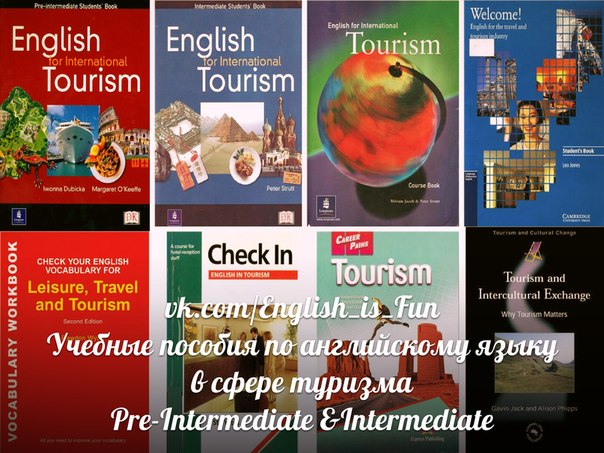
English For International Tourism Reshebnik
Why English is Essential in International Tourism
Tourism is one of the largest and fastest-growing industries worldwide, contributing significantly to global economies. With millions of people traveling internationally each year, English serves as the common language that bridges gaps between cultures and ensures smooth experiences for tourists. Here’s why English is indispensable in the tourism sector:
1. Global Communication
- English is spoken as either a first or second language by more than 1.5 billion people worldwide.
- Airports, hotels, travel agencies, and tourist attractions predominantly use English for signage, customer service, and information dissemination.
2. Facilitating Customer Service
- Providing excellent service often requires clear and polite communication. Proficiency in English ensures that staff can address customer needs, resolve issues, and provide information effectively.
3. Career Advancement
- For professionals in the tourism industry, English proficiency enhances job prospects. Many multinational companies and organizations prioritize candidates with strong communication skills in English.
4. Cultural Exchange
- Fluency in English enables deeper engagement between tourists and local guides, fostering meaningful cultural exchanges and enriching travel experiences.
Interesting Tip:
For travelers and professionals alike, learning sector-specific English phrases such as “What are the opening hours?” or “Is this included in the package?” can significantly enhance communication efficiency.
Key Areas Where English Plays a Role in Tourism
Professionals working in international tourism require tailored English skills to cater to various scenarios. Below are key areas where English fluency is critical:
1. Travel Planning and Itineraries
- Understanding and explaining travel packages, visa requirements, and accommodation details often involve English as the medium of instruction.
- Tour operators and travel agents must draft error-free itineraries in English to ensure clarity.
2. Hospitality and Accommodation
- Hotel staff, concierges, and restaurant workers frequently interact with international guests who rely on English for communication.
- Phrases like “Do you need help with your luggage?” or “Would you like to make a reservation?” are common examples used in hospitality.
3. Tour Guiding and Attractions
- Tour guides often narrate the history, culture, and significance of tourist attractions in English. Clear articulation and engaging storytelling are crucial here.
- Mastery of idiomatic expressions and local slang adds a personal touch to tours.
4. Customer Support and Conflict Resolution
- Resolving customer complaints or addressing concerns in a calm and professional manner often requires a strong command of English.
- For example, handling lost luggage or rebooking missed flights demands both language proficiency and empathy.
Case Study: Effective Communication in Crisis
In 2010, during the Icelandic volcanic eruption, thousands of travelers were stranded. Airlines and travel agencies with well-trained English-speaking staff effectively communicated updates, rebookings, and accommodation arrangements, showcasing the vital role of English in emergency scenarios.
How to Improve English for International Tourism
Enhancing English skills specifically for the tourism industry involves targeted learning approaches. Below are practical strategies:
1. Enroll in Specialized Courses
- Many institutions offer English for Tourism Purposes (ETP) courses, focusing on industry-specific vocabulary, customer interactions, and problem-solving skills.
2. Practice Role-Playing Scenarios
- Role-playing situations like greeting guests, managing check-ins, or addressing inquiries simulate real-life tourism scenarios.
- Example: Practicing how to explain local customs to an international visitor.
3. Use Technology and Apps
- Language apps like Duolingo or tourism-specific tools like Mondly for Travel can help learners practice conversational English relevant to travel and tourism.
4. Immerse in Real-Life Situations
- Working part-time at tourist hotspots or volunteering as a local guide provides hands-on experience in using English practically.
Table: Common Phrases in Tourism
| Situation | English Phrases |
|---|---|
| Greeting a customer | “Welcome to our hotel. How can I assist you?” |
| Providing directions | “The museum is a 10-minute walk from here.” |
| Handling complaints | “I’m sorry for the inconvenience. Let me help.” |
| Selling packages | “This tour includes meals, transport, and a guide.” |

English For International Tourism Upper Intermediate New Edition

English for international tourism. English for international tourism pre-intermediate. Resume anglais la lingua franca est le langage universel de la voyage. You might be asked questions with these words or you might need to use them yourself.
English for international tourism is designed to meet the English language needs of professionals working in the tourism industry and students of tourism in further education. Make sure you’re familiar with them and can use them in full sentences. Download your English for international tourism teacher resources here.
Here’s a list of common tourism-related English terms. Free shipping on qualifying offers. The words you need to connect with travelers from around the globe are basic vocabulary to get you started.
English for international tourism is the first multi-level series designed specifically for the hotel and tourism industry. Book English for international tourism intermediate pdf download as pdf file pdf or read online. This course focuses on grammar.
English for international tourism intermediate. Scribd is the world’s largest social reading and publishing site. Marjorie Rosenberg Maja Olejniczak Iwonna Kubica Margaret Okeeffe Louis Harrison peter Strutt Helen Forrest anna Cowper Bethany cagnol.
Free shipping on qualifying offers. English for international tourism. About learning English document templatesyard is a blogger resources site is a provider of high quality blogger template with premium looking layout and robust design.
English for international tourism is the first multi-level series designed specifically for the hotel and tourism industry. This course focuses on grammar. Using photos and maps from the world’s best-loved guidebooks Dorling Kindersley’s eyewitness travel guides is a highly motivating way.
English for international tourism. English for international tourism is a three-level series designed to meet the English language needs of professionals working in the tourism industry and students of tourism in further education. The main mission of templatesyard is to provide the best quality blogger templates which are professionally designed and perfectly SEO optimized to deliver the best result for your blog.
Conclusion of English For International Tourism
Mastering English for International Tourism is not just a professional asset; it’s a gateway to fostering cultural understanding and providing exceptional services. Whether you are a tour operator, hospitality worker, or traveler, improving your English fluency ensures you can navigate the global tourism landscape confidently. Start by learning industry-specific vocabulary, practicing customer interaction, and embracing real-world experiences to build your expertise.
References ofEnglish For International Tourism
- British Council. “Why English is Important in the Tourism Industry.”
- International Tourism Organization. “The Role of Language in Global Tourism.”
- Duolingo Blog. “Best Language Apps for Tourism Professionals.”


