
Utah Tourist Attractions Map. Utah is a state known for its breathtaking landscapes, rich history, and outdoor adventures. Whether you’re an outdoor enthusiast, a history buff, or a family looking for fun activities, Utah has something to offer everyone. In this article, we’ll explore the top tourist attractions in Utah and provide a detailed guide on how to navigate these sites with the help of a Utah Tourist Attractions Map. This map will serve as an essential tool for tourists looking to experience the diverse beauty and culture of the state.
Table of Contents:
ToggleExploring Utah Tourist Attractions Map: A Comprehensive Map Guide

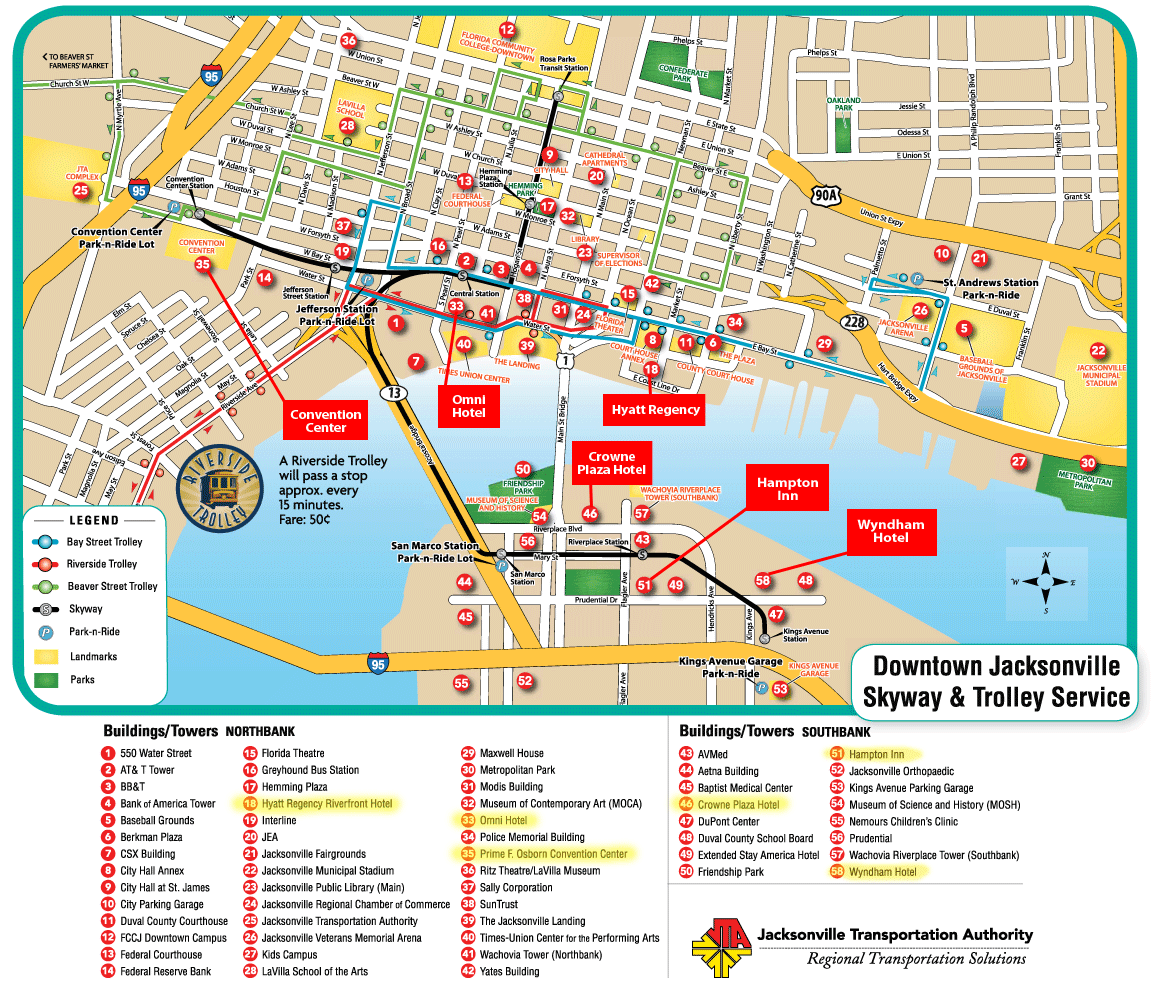 City Map Sites Perry Castaneda Map Collection Ut Library Online
Why Use a Utah Tourist Attractions Map?
A Utah Tourist Attractions Map is an essential resource for planning your trip to the state. With its diverse geography—ranging from deserts to mountains, and canyons to lakes—it can be overwhelming to know where to start. The map will help you pinpoint key attractions, plan your itinerary, and ensure you don’t miss any must-see destinations. Whether you’re in search of national parks, historic landmarks, or outdoor adventures, a tourist map can make your travels more organized and enjoyable.
Here are some reasons why having a Utah Tourist Attractions Map is essential for your trip:
- Navigation Made Easy: With so many tourist destinations scattered across the state, a map helps you navigate easily and efficiently.
- Maximize Your Time: A map allows you to plan your route based on your interests, so you can explore the attractions that align with your preferences.
- Hidden Gems: Some of Utah’s best attractions are lesser-known but just as stunning. A well-detailed map will point you to these hidden gems.
- Historical Insights: Many tourist maps come with additional information about the historical significance of landmarks, making your visit more educational.
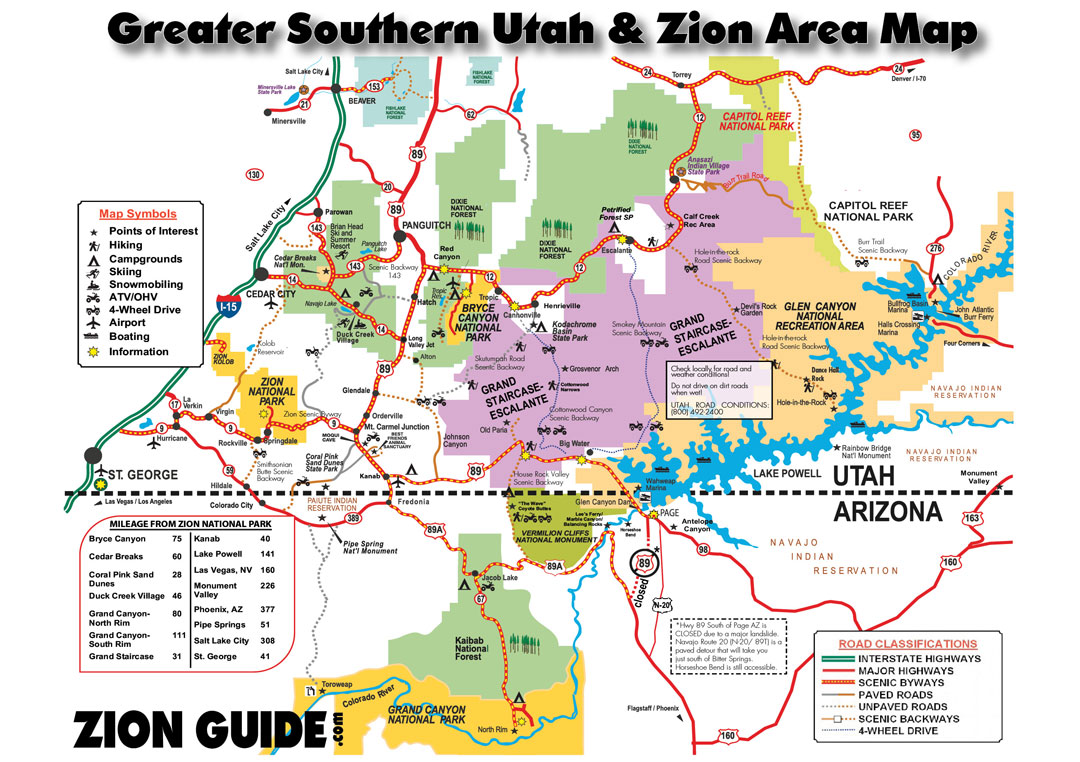
Must-Visit Tourist Attractions in Utah
Utah is home to some of the most iconic and beautiful landmarks in the United States. With the help of a Utah Tourist Attractions Map, you can easily plan your trip and visit the following destinations:
1. Arches National Park
One of Utah’s crown jewels, Arches National Park, is a must-see for anyone traveling to the state. Known for its iconic sandstone arches, this park features over 2,000 natural stone arches. The Delicate Arch is perhaps the most famous, and its image often represents Utah’s natural beauty.
Attractions to look for:
- Delicate Arch: A stunning 52-foot arch that requires a moderate hike to reach.
- The Windows Section: Easy-to-access arches, perfect for family visits.
- Devil’s Garden: A more challenging trail leading to some of the park’s largest arches.
Tips for visitors:
- Plan to visit early in the morning or late in the afternoon to avoid the heat and crowds.
- Use the park’s official map for trail details and to find hidden gems like the Landscape Arch.
2. Zion National Park
Zion National Park is one of the most popular national parks in the United States, famous for its towering sandstone cliffs and diverse ecosystems. Hiking, canyoneering, and photography are some of the most common activities here.
Attractions to look for:
- Angel’s Landing: One of the most famous and challenging hikes in Zion, offering panoramic views.
- The Narrows: A hike through the Virgin River in a narrow canyon, known for its stunning beauty and adventurous feel.
- Zion Canyon Scenic Drive: If you want to see the best views without the hikes, this drive is perfect.
Tips for visitors:
- During peak season, Zion can get crowded. It’s a good idea to use the shuttle system to avoid parking headaches.
- Be prepared for all kinds of weather—Zion’s environment can change drastically, from hot sun to sudden storms.
3. Bryce Canyon National Park
Bryce Canyon is a unique and stunning park, known for its distinctive rock formations called hoodoos. These tall, thin spires of rock have been shaped by erosion over thousands of years. It’s a photographer’s paradise.
Attractions to look for:
- Bryce Amphitheater: The most famous area of the park, where the highest concentration of hoodoos can be seen.
- Sunset Point: A beautiful viewpoint that offers a spectacular view of the park at sunset.
- Navajo Loop Trail: A popular 1.3-mile trail that takes you through the heart of the hoodoos.
Tips for visitors:
- Visit at sunrise or sunset for the most breathtaking views.
- The high elevation of Bryce Canyon (over 8,000 feet) means cooler temperatures, so bring layers.
4. Salt Lake City
While Utah is known for its natural beauty, the capital city of Salt Lake City offers an excellent mix of history, culture, and entertainment. It is also a hub for tourists looking to visit nearby attractions.
Attractions to look for:
- Temple Square: The heart of Salt Lake City and the center of the Mormon faith, with beautiful gardens and historical buildings.
- Utah State Capitol: Located on Capitol Hill, this building offers a fantastic view of the city and a glimpse into Utah’s political history.
- Great Salt Lake: The largest saltwater lake in the Western Hemisphere, ideal for boating, bird watching, and enjoying nature.
Tips for visitors:
- If you’re interested in history, take a guided tour of Temple Square to learn more about the city’s founding.
- Salt Lake City is surrounded by mountain ranges, making it an excellent base for outdoor activities.
5. Monument Valley
Located on the border of Utah and Arizona, Monument Valley is a symbol of the American West. It’s famous for its vast, desert landscape and the towering red sandstone buttes that have appeared in countless Western films.
Attractions to look for:
- The Mittens: Two iconic buttes that are the most photographed landmarks in Monument Valley.
- John Ford’s Point: A viewpoint made famous by the director of many Western films.
- Scenic Valley Drive: A 17-mile loop through Monument Valley that provides the best views.
Tips for visitors:
- Consider taking a guided tour to learn more about the history and geology of the area.
- The roads can be rough, so make sure you’re in a vehicle capable of handling dirt roads.
How to Plan Your Trip Using a Utah Tourist Attractions Map
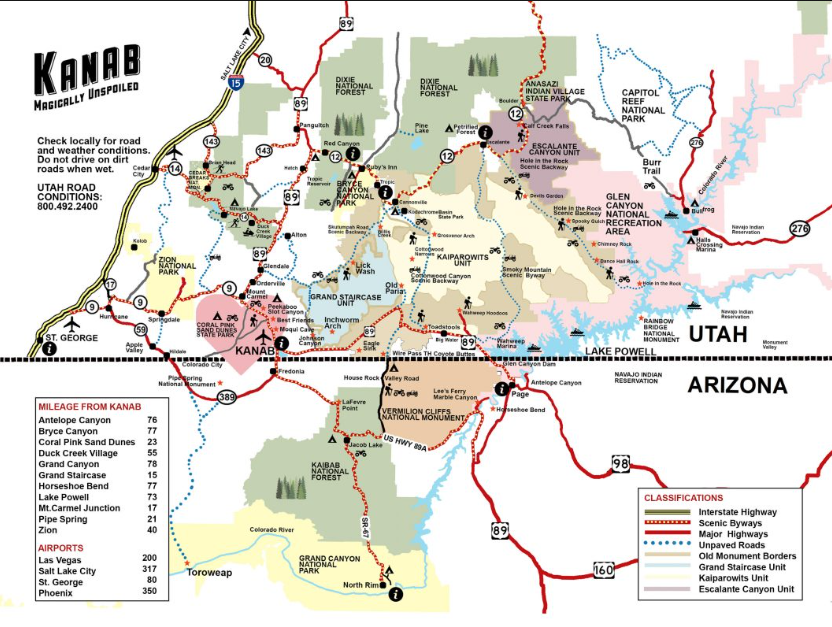
Planning a trip to Utah requires careful preparation, especially if you want to visit multiple attractions across the state. A Utah Tourist Attractions Map is invaluable when it comes to navigating the state’s many destinations. Here are a few steps to help you plan:
- Identify Your Priorities: Use the map to highlight the attractions that interest you most. Whether you’re interested in national parks, outdoor activities, or cultural sites, having a clear idea of what you want to see will make your trip more enjoyable.
- Plan Your Route: Utah is vast, so make sure to map out a route that allows you to see as many attractions as possible without spending too much time on the road. For example, if you’re planning to visit both Zion and Bryce Canyon, make sure to map a route that connects these parks efficiently.
- Consider the Season: Certain attractions, like the Zion National Park or Arches National Park, can be crowded during the summer months. If you’re visiting during peak season, be sure to check for shuttle services and campgrounds in advance.
- Download a Digital Map: In addition to a physical map, you might want to download a digital version of the map to your smartphone for easy access on the go.
Hidden Gems on the Utah Tourist Attractions Map
While the well-known national parks like Zion, Arches, and Bryce Canyon are certainly worth visiting, there are many hidden gems in Utah that may not appear as prominently on every map. These lesser-known attractions offer a quieter, more intimate experience of Utah’s incredible landscapes, perfect for those who prefer to venture off the beaten path.
1. Capitol Reef National Park
Capitol Reef National Park, located in south-central Utah, is often overlooked compared to the state’s other national parks, but it offers stunning scenery and a rich history. It’s named after the white domes of Navajo Sandstone that resemble the domes of the U.S. Capitol building.
Attractions to look for:
- Fruita Historic District: This historic farming area has apple orchards that are still in operation, and visitors can pick fresh fruit in season.
- Goosenecks Overlook: A stunning viewpoint overlooking the meandering water of the Fremont River.
- The Cathedral Valley: A remote area of the park with incredible rock formations, perfect for those looking for solitude.
Tips for visitors:
- Capitol Reef is one of the least crowded parks, making it a perfect destination for those seeking peace and natural beauty.
- The park’s remote location means fewer amenities, so come prepared with water and snacks.
2. Great Salt Lake and Antelope Island State Park
The Great Salt Lake is famous for its unusual saltwater ecosystem, and Antelope Island State Park is one of the best places to experience this natural wonder. The island is home to wild bison, antelope, and many species of birds.
Attractions to look for:
- The Great Salt Lake: Explore the lake’s unique shoreline and salt flats. It’s also a prime location for birdwatching, especially for migratory birds.
- Antelope Island: Hike up Frary Peak for panoramic views of the lake or enjoy a more leisurely walk along the Causeway Trail.
- Buffalo Point: A perfect spot to view bison herds up close.
Tips for visitors:
- The water of the Great Salt Lake is so salty that you can float effortlessly, just like the Dead Sea!
- Be sure to visit during spring or fall for the best weather and wildlife viewing.
3. Goblin Valley State Park
Goblin Valley is one of the most unique landscapes in Utah, filled with thousands of hoodoo rock formations that look like goblins or aliens. The park is perfect for hiking, photography, and exploration, offering a surreal experience.
Attractions to look for:
- Goblin Valley: A maze of alien-like rock formations in varying shades of red and orange.
- Little Wild Horse Canyon: A slot canyon that is relatively easy to hike and perfect for families or beginner adventurers.
- The Goblin’s Lair: A unique rock formation that provides a fantastic photo opportunity.
Tips for visitors:
- Goblin Valley is an excellent place for stargazing, as it is far from city lights.
- The park is small, so it’s easy to explore in just a few hours.
4. Fishlake National Forest
Fishlake National Forest, located in central Utah, is a peaceful forested area known for its stunning Fish Lake, which is the largest natural mountain lake in Utah. The forest is a great destination for hiking, fishing, and camping.
Attractions to look for:
- Fish Lake: Known for its fishing opportunities, the lake is home to a variety of fish, including trout and bass.
- Pando: Known as the “Trembling Giant,” this massive aspen grove is one of the oldest and largest living organisms on Earth.
- Baker Reservoir: A smaller, quieter area perfect for kayaking or paddleboarding.
Tips for visitors:
- The area is especially beautiful in the fall when the aspen trees turn vibrant colors.
- The forest is a fantastic place for camping, with many campsites around the lake.
5. Dinosaur National Monument
Situated on the border between Utah and Colorado, Dinosaur National Monument is a fascinating destination for anyone interested in paleontology. The monument is home to one of the richest fossil beds in North America.
Attractions to look for:
- The Quarry Exhibit Hall: Here, visitors can see actual dinosaur fossils embedded in the rock, some of which are over 100 million years old.
- Rafting on the Green River: For an adventurous experience, try rafting through the canyon, which offers scenic views and chances to spot wildlife.
- Jones Hole Trail: A scenic hike that leads to a beautiful waterfall and offers opportunities for fishing.
Tips for visitors:
- Dinosaur National Monument is perfect for those who love both nature and history. Be sure to check out the fossil exhibits and learn about the prehistoric creatures that once roamed the area.
- The monument is relatively remote, so be sure to bring plenty of water and supplies for a day of hiking or rafting.
Tips for Navigating the Utah Tourist Attractions Map
When traveling through Utah, it’s important to know how to use your Utah Tourist Attractions Map effectively. Here are some expert tips to make the most of your map:
- Use It for Route Planning: Identify attractions that are geographically close to each other and plan your trip to minimize travel time. For example, Zion, Bryce Canyon, and Capitol Reef are relatively close together, making them an ideal trio for a road trip.
- Highlight Scenic Byways: Utah has several scenic byways that are worth the drive. The Scenic Byway 12, also known as the All-American Road, is one of the most picturesque routes, taking you through forests, deserts, and mountain ranges.
- Consider Elevation and Climate: The state’s diverse landscapes mean that weather conditions and elevation can vary drastically. Be mindful of the altitudes of national parks like Bryce Canyon (8,000 feet) or Arches National Park (4,000 feet), especially if you’re visiting during the summer months.
How to Make the Most of Your Utah Adventure
Utah is a state that offers a wide array of activities and sights, making it a perfect destination for every type of traveler. From the rugged beauty of national parks to the cultural gems in its cities, the best way to ensure you don’t miss out on anything is to have a solid plan in place. Here are some additional tips and tricks to maximize your Utah experience:
1. Get the Most Out of Your National Park Pass
If you’re planning to visit several national parks in Utah, consider purchasing an America the Beautiful National Parks Pass. This pass grants access to more than 2,000 federal recreation sites across the U.S., including Arches, Zion, Bryce Canyon, and other Utah national parks. Not only does it save you money on park entrance fees, but it can also streamline your experience, especially during the peak tourist seasons.
2. Best Times to Visit Utah’s National Parks
Utah’s national parks are best experienced in the spring (March to May) and fall (September to November). During these times, the weather is mild, and the crowds are thinner. Summers, particularly in desert parks like Arches or Canyonlands, can be extremely hot, with temperatures often exceeding 100°F (38°C), which may limit outdoor activities. Winter is also a good time to visit, especially for those interested in avoiding crowds and experiencing the parks’ quieter, serene beauty.
3. Stay Hydrated and Prepared
Utah’s terrain can be harsh, particularly in desert regions. Always bring enough water, especially when hiking or exploring remote areas. Hydration packs, sun protection like sunscreen and hats, and sturdy footwear are must-have items for all travelers. The high altitudes of places like Bryce Canyon or Zion can also cause quicker fatigue, so take frequent breaks and listen to your body.
4. Utilize Local Knowledge
While your Utah Tourist Attractions Map is a great resource, don’t underestimate the value of local knowledge. Many small towns near Utah’s national parks have visitor centers where staff can provide valuable insight on current trail conditions, local events, and lesser-known attractions. Local guides and tour operators can offer unique perspectives of the parks and provide detailed information about the region’s flora, fauna, and geology.
5. Explore the Utah Scenic Byways
Utah boasts some of the most scenic drives in the country. The Scenic Byway 12 (also known as the All-American Road) is particularly famous for its breathtaking views of red rock formations, forests, and canyons. It stretches from Bryce Canyon to Capitol Reef and offers various side trips to lesser-known spots such as Escalante Petrified Forest State Park and Kodachrome Basin State Park.
Another beautiful byway is the San Juan Scenic Byway, which leads through desert landscapes, past ancient ruins, and into the high plateaus of southeastern Utah. These scenic drives are a great way to explore the beauty of the state while staying comfortable in your vehicle.
6. Don’t Forget the Small Towns
While Utah’s national parks are the main draw, the state’s small towns have a charm all their own. Moab, for example, is a popular base for exploring Arches and Canyonlands National Parks but also offers an array of local shops, restaurants, and adventure outfitters. Springdale near Zion National Park offers a quaint atmosphere with art galleries, local cafes, and scenic views.
7. Capture Your Utah Adventure
Utah’s natural beauty is some of the most photogenic in the country, so make sure to bring a good camera and capture the memories. Early mornings or late evenings, known as the “golden hours,” provide the best lighting for photography. Whether it’s the dramatic cliffs of Zion, the vibrant red hoodoos in Bryce Canyon, or the surreal beauty of Monument Valley, every corner of Utah offers incredible photo opportunities.
Your Ultimate Guide to Utah’s Tourist Attractions
Utah is a state full of wonders, from the towering sandstone arches of Arches National Park to the otherworldly landscapes of Monument Valley. A Utah Tourist Attractions Map can help you navigate the vast array of sites, making it easier to plan a trip that suits your interests, whether you’re into hiking, history, or simply enjoying the scenery.
With its stunning national parks, quiet hidden gems, and welcoming small towns, Utah promises an unforgettable adventure for every traveler. Armed with your map and these tips, you’ll be ready to explore the best that the state has to offer—whether it’s iconic natural landscapes, rich cultural experiences, or thrilling outdoor activities.
Key Takeaways:
- Use a tourist map to make the most of your time and see all that Utah has to offer.
- Visit during the off-season for fewer crowds and milder weather.
- Be prepared for Utah’s diverse climate with plenty of water, sunscreen, and sturdy footwear.
- Don’t miss the hidden gems like Capitol Reef and Goblin Valley for a more peaceful and unique experience.
- Utilize local resources like visitor centers and guides to enhance your trip.
References of Utah Tourist Attractions Map
- Utah Tourism Website: www.visitutah.com
- National Park Service: www.nps.gov
- Utah Scenic Byways Guide: www.utahscenicbyways.com


