
History Of Tourism In The Philippines. The Philippines, known for its stunning beaches, vibrant festivals, and rich culture, has a fascinating history of tourism. From its early beginnings to its modern growth as a global tourist destination, understanding the history of tourism in the Philippines offers valuable insights into the nation’s evolving identity and economic progress. So, how did tourism become such a vital industry in this beautiful archipelago? Let’s dive in.
History of Tourism in the Philippines

The Philippines, an archipelago of over 7,000 islands, boasts a rich cultural heritage and stunning natural beauty that has captivated travelers for centuries. The history of tourism in the Philippines is a fascinating tale of exploration, colonization, and cultural exchange. From its humble beginnings as a remote trading outpost to its emergence as a popular tourist destination, the Philippines has come a long way.
Early Beginnings of Tourism in the Philippines
Tourism in the Philippines dates back to the pre-colonial era when trade and exploration brought foreigners to the islands. Chinese merchants, Indian traders, and Arab navigators visited the islands not just for commerce but also to experience the unique cultural diversity. The locals’ warm hospitality and natural wonders like pristine beaches and lush forests served as attractions even during these early times. The early barter system laid the foundation for the concept of “exchange,” which modern tourism continues to thrive on.
Early Beginnings: The Pre-Colonial Era. Before the arrival of European colonizers, the Philippines was already a land of diverse cultures and traditions. Indigenous tribes, such as the Aeta, Igorot, and Mangyan, inhabited the islands and developed their own unique customs and beliefs. These early civilizations engaged in trade with neighboring countries, leading to cultural exchange and the introduction of new goods and ideas.
Impact of Spanish Colonization
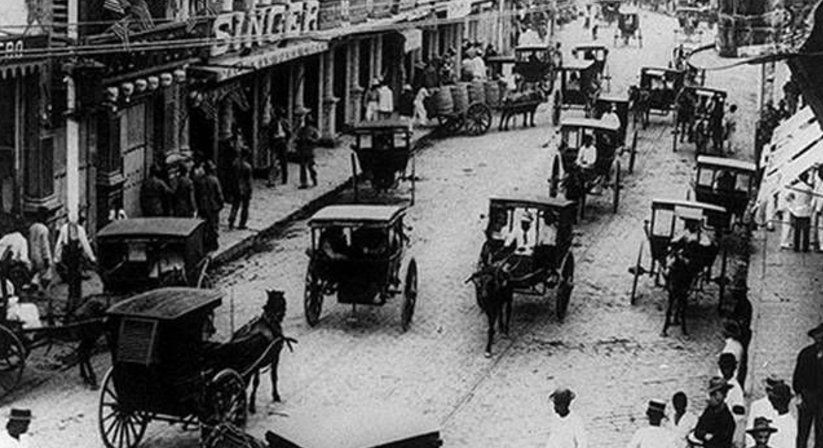
The Spanish Colonial Period: A New Era of Exploration. The arrival of the Spanish in the 16th century marked a significant turning point in the history of the Philippines. Spanish explorers and missionaries introduced Catholicism and Western culture to the archipelago. The establishment of Spanish colonial towns and fortifications attracted European visitors, particularly religious pilgrims and merchants.
One of the most significant events during this period was the construction of Intramuros, a walled city in Manila that served as the center of Spanish colonial power in the Philippines. Intramuros, with its historic churches, convents, and plazas, became a popular destination for tourists, both domestic and foreign.
When Spain colonized the Philippines in the 16th century, they introduced Christianity and constructed iconic landmarks like churches and fortresses. These structures, such as the San Agustin Church in Intramuros, Manila, became both cultural and tourist landmarks. The Manila Galleon Trade further facilitated international exposure, indirectly promoting the country as an exotic destination. The Spanish legacy in architecture, festivals, and traditions remains a cornerstone of Philippine tourism.
American Influence on Philippine Tourism

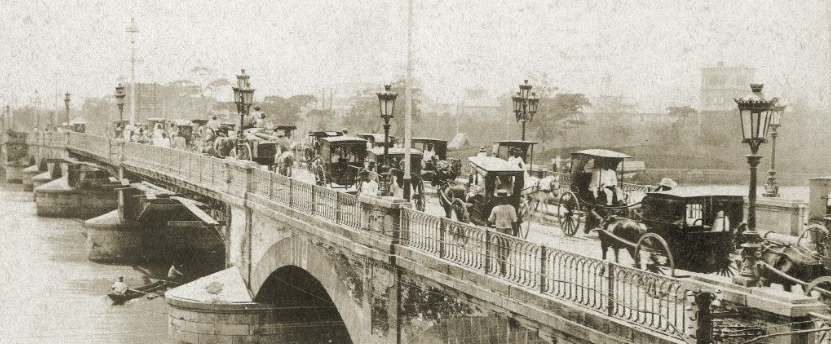
The American Colonial Period: A New Era of Development. The American occupation of the Philippines in the early 20th century brought about significant changes in the country’s infrastructure and economy. American authorities invested in public works projects, such as roads, bridges, and ports, which facilitated travel and trade. The construction of hotels and resorts in popular destinations like Baguio and Boracay also contributed to the growth of tourism.
During the American colonial period (1898-1946), tourism gained a more structured approach. The Americans introduced modern infrastructure like better roads and transportation systems, making travel easier. They also promoted leisure tourism by establishing mountain resorts such as Baguio, which became a summer retreat for Americans. This era marked the beginning of organized travel and tourism promotion.
Post-War Tourism Developments
The Post-War Era: A Period of Recovery and Growth. Following World War II, the Philippines experienced a period of reconstruction and economic development. The government prioritized the tourism industry as a potential source of revenue and foreign exchange. The creation of the Department of Tourism in 1979 marked a significant milestone in the development of the industry.
After World War II, the Philippines embarked on rebuilding efforts, which included the tourism sector. The 1950s and 1960s saw the establishment of hotels, airlines, and other tourism-related businesses. Manila became a hub for international travelers, thanks to its strategic location. Efforts were made to attract foreign visitors, and the first tourism campaigns were launched to showcase the country’s unique cultural and natural heritage.
Tourism During Martial Law Era
The Rise of Mass Tourism: The 1980s and Beyond. The 1980s witnessed a surge in mass tourism in the Philippines. The government launched aggressive marketing campaigns to promote the country’s diverse attractions, including its stunning beaches, historical sites, and vibrant culture. The relaxation of visa restrictions for many nationalities further boosted tourist arrivals.
In recent years, the Philippines has continued to attract visitors from all over the world. The country’s beautiful beaches, world-class diving spots, and diverse cultural heritage have made it a popular destination for tourists seeking adventure, relaxation, and cultural immersion.
The Martial Law era under Ferdinand Marcos (1972-1981) brought both challenges and developments to Philippine tourism. While political instability deterred some tourists, the government heavily invested in infrastructure projects like the Philippine International Convention Center (PICC) and Cultural Center of the Philippines (CCP). These investments laid the groundwork for the country’s ability to host international events and attract a diverse range of tourists.
The Role of the Department of Tourism (DOT)
The Impact of Tourism on the Philippine Economy. The tourism industry has played a vital role in the Philippine economy, contributing to job creation, foreign exchange earnings, and poverty reduction. However, it is important to balance the economic benefits of tourism with its potential negative impacts on the environment and local communities.
The establishment of the Department of Tourism (DOT) in 1973 marked a turning point for the industry. The DOT spearheaded efforts to regulate and promote tourism, introducing programs like “It’s More Fun in the Philippines.” These campaigns, paired with collaboration with local and international stakeholders, elevated the Philippines as a top tourist destination.
Modern Trends in Philippine Tourism
The Future of Tourism in the Philippines. As the Philippines continues to develop as a tourist destination, it is essential to prioritize sustainable tourism practices. By promoting responsible tourism, the country can ensure that its natural and cultural heritage is preserved for future generations.
In recent years, the Philippines has seen remarkable growth in tourism, driven by eco-tourism, culinary experiences, and adventure travel. However, the industry faces challenges such as over-tourism in popular spots like Boracay and the impact of natural disasters. The COVID-19 pandemic also reshaped the sector, with a stronger focus on domestic tourism and health protocols. Despite these challenges, the resilience of the industry remains a testament to its importance.
Cultural and Natural Attractions as Pillars of Tourism
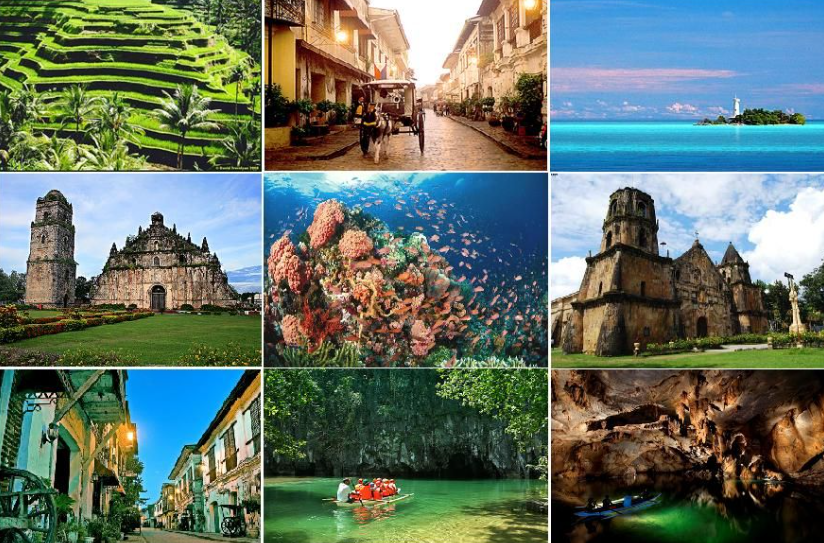
The Philippines boasts UNESCO World Heritage Sites such as the Banaue Rice Terraces and Vigan City. Natural wonders like the Underground River in Palawan and the Chocolate Hills in Bohol attract millions of visitors annually. Festivals like Sinulog and Ati-Atihan showcase the vibrant Filipino spirit, making cultural and natural attractions the backbone of the nation’s tourism identity.
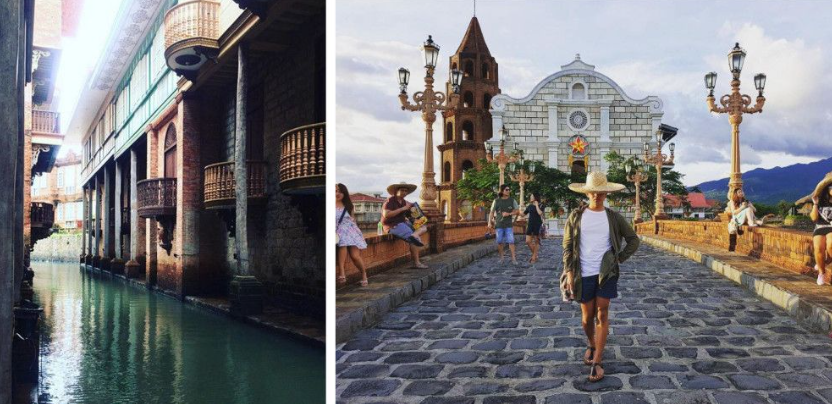


FAQs; History Of Tourism In The Philippines
- When did tourism begin in the Philippines?
Tourism in the Philippines can be traced back to the pre-colonial era when traders and explorers visited the islands. - What are some iconic Spanish-era tourist spots?
San Agustin Church, Fort Santiago, and Intramuros are notable Spanish-era landmarks. - How did the DOT influence tourism?
The Department of Tourism launched programs and campaigns to organize and promote the tourism industry effectively. - What challenges does Philippine tourism face today?
Issues include over-tourism, environmental degradation, and the impacts of global crises like the COVID-19 pandemic. - What makes the Philippines unique as a tourist destination?
Its blend of natural wonders, cultural richness, and warm hospitality sets it apart.
History of tourism in the philippines. The country is known for having its rich biodiversity as its main tourist attraction. Intramuros, known as the walled city, is the oldest district and historic core of manila. In ancient times the inhabitants of the philippines were a diverse…
Started as a private initiative to promote the philippines as a major travel destination, the philippine tourist & travel association was organized in 2015. The app provides users access to the latest travel advisories and safety guidelines in various destinations that have reopened to tourism. Philippines is an archipelagic country composed of 7,641 islands with 81 provinces divided in 17 regions.
In this time, travel may remained a localized experience, but people by nature are interested. A prosperous slave trade was established in the late 1500s between the philippines, spain, and the caribbean. Tourism, the act and process of spending time away from home in pursuit of recreation, relaxation, and pleasure, while making use of the commercial provision of services.
The philippines is the only country in southeast asia that was subjected to western colonization before it had the opportunity to develop either a centralized government ruling over a large territory or a dominant culture. The philippines’ tourism industry is a significant source of the country’s gdp throughout the years. The term tourism was used only in the early 19th century.
A short history of prostitution in the philippines. 2, as amended, the department of trade and. The main basis of filipino tourism is located around the metropolitan region of metro manila the political,economic,social,cultural,and educational center of the country popular destination include tourism in the philippines really help to improve it’s economy cause the philippines had many natural attraction and rich in minerals many neighboring country are interested to interest here in the.
Its beaches, heritage towns and monuments, mountains, rainforests. To determine whether the philippine tourism industry is moving. Tourism is an important sector for philippine economy.in 2019, the travel and tourism industry contributed 12.7% to the country’s gdp.
Aside from its beautiful places and scenic tourist spots, it is also rich in history and culture. At present, tourism industry in the philippines can be classified into three (3) namely: Visitor counts were still very modest though.
The philippines also has an active tourism industry and receives remittances from some 10 million overseas filipino workers. In 2019, the board of travel and tourist industry was created by congress as stipulated in the integrated reorganization plan in 1901 sanctioned as a law under presidential decree no. November to february is the coolest months and a good time to visit the philippines as far as weather is concerned.
The history of tourism 2. The history of tourism 1. Business and religion • travel became necessary • throughout the history merchants have traveled extensively in order to trade with other nations and tribe.
Visited by magellan in 1521, the islands were colonised by Tourism in 2019 8,260,913 tourist came to philippinesthat was upfrom 7,168,467 the leading sources of tourism to the philippines was south korea followed by china, the united states and japa, Filipinos built different landmarks and places to remember the outstanding sacrifices of national heroes and to beautifully exhibit the country’s heritage.
Other articles where history of philippines is discussed: Tourism is derived from the hebrew word torah which means studying, learning, searching. It is a product of modern social arrangements, beginning in western europe in the 17th century, although it has antecedents in classical antiquity.
In terms of tourism sector gdp share in asia, the philippines’ share was one of the highest. These early travelers moved on foot, they were limited to quite small geographical areas. The function of the site was to provide information on the philippines, how to travel to the philippines, where in the philippines to explore, and about the site administrator’s partnerships.
Travelers climbing a mountain and crossing rivers to satisfy their. The philippines and its tourism forming an archipelago stretching 1,851 kilometres north to south and 1,107 kilometres east to west, the philippines comprises over 7,100 islands and atolls which have a total land area of 300,000 square kilometres. Its unique location has made the philippines the commercial, cultural and intellectual hub of asia from the dawn of history.
Due to this sudden international attention, the island started to attract some tourism. Meanwhile, march to may is the summer months in the country and are classified as hot and dry. A period of spanish colonization spanning three centuries then made an indelible impression on the country.
A few years later in 1978, german writer jens peter described the island as “paradise on earth” in his book about the philippines, further increasing awareness of the island. The primary industries in the philippines are agriculture, wood products, electronics assembly, garment and footwear manufacturing, mining, and fishing. There is a long history of sex work and prostitution in the philippines that goes as far back as the 1500s.
The history of tourism as seasons changed and animals migrated, people traveled to survive. Tourism industry in the philippines has been identified as one of the powerful engines for a strong and sustained economic growth.
Conclusion: History Of Tourism In The Philippines
The history of tourism in the Philippines reflects the country’s journey through colonization, independence, and modernization. Each era contributed to shaping an industry that is not only a source of national pride but also a critical driver of economic growth. With its diverse attractions and resilient spirit, the Philippines is poised to remain a top choice for travelers worldwide.
The history of tourism in the Philippines is a testament to the country’s rich cultural heritage and stunning natural beauty. From its humble beginnings as a remote trading outpost to its emergence as a popular tourist destination, the Philippines has come a long way. As the country continues to evolve, it is important to strike a balance between economic growth and environmental sustainability.
References: History Of Tourism In The Philippines
- Department of Tourism Official Website
- UNESCO World Heritage Sites – Philippines
- Philippine History and Tourism Journals


