
How Many Tourists Visit Taj Mahal Each Year? The Taj Mahal, one of the New Seven Wonders of the World, is a UNESCO World Heritage Site and a symbol of India’s rich history and architectural grandeur. Located in Agra, Uttar Pradesh, this iconic mausoleum attracts millions of visitors each year. In this article, we will explore the latest statistics, trends, and interesting facts about the number of tourists visiting the Taj Mahal annually.
The Taj Mahal, commissioned by Mughal Emperor Shah Jahan in memory of his beloved wife Mumtaz Mahal, is not only a masterpiece of Mughal architecture but also one of the most visited tourist destinations in India. Its stunning white marble structure, intricate craftsmanship, and historical significance make it a must-see for travelers from around the world.
How Many Tourists Visit Taj Mahal Each Year?
Visitor Statistics
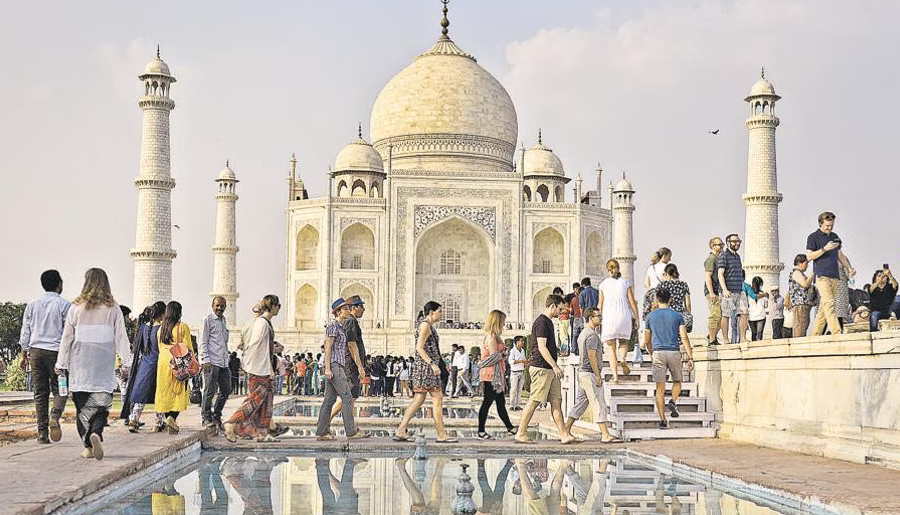
According to the official website of the Taj Mahal, the monument receives 7 to 8 million visitors annually. This figure includes both domestic and international tourists, with a significant portion visiting during the cooler months of October, November, and February. The Taj Mahal is the most visited ticketed monument in India, with 3.29 million domestic visitors recorded in the period of 2021-2022.
Trends , Patterns and Impact of Tourism
Visitor numbers to the Taj Mahal have fluctuated over the years, with a notable decline during the COVID-19 pandemic. However, the numbers have been steadily recovering, reflecting the enduring appeal of this architectural marvel. The peak tourist season typically falls between October and March, when the weather is more pleasant for sightseeing.
The influx of tourists has both positive and negative impacts on the Taj Mahal and its surroundings. On the positive side, tourism generates significant revenue for the local economy and creates job opportunities for the residents of Agra. However, the high volume of visitors also poses challenges, such as environmental degradation and the need for stringent conservation efforts to preserve the monument’s pristine condition.

50 Iconic Buildings Around the World You Need to See
Conservation Efforts
To address the environmental impact of tourism, the Archaeological Survey of India (ASI) has implemented measures to limit the number of daily visitors to 40,000. This restriction aims to reduce overcrowding and prevent damage to the delicate marble structure. Additionally, ongoing cleaning and restoration projects are carried out to maintain the Taj Mahal’s iconic white facade.
Interesting Facts
- Construction Timeline: The Taj Mahal was commissioned in 1632 and took approximately 22 years to complete, with the main mausoleum being finished in 1648.
- Materials Used: The Taj Mahal is constructed from white marble, with semi-precious stones inlaid in intricate patterns.
- Symbolism: The name “Taj Mahal” means “Crown of Palaces” in Urdu and Persian.
- Architectural Features: The monument is surrounded by four minarets and features a large reflecting pool and beautifully landscaped gardens.
The Taj Mahal continues to captivate visitors with its timeless beauty and historical significance. As one of the most visited tourist attractions in India, it plays a crucial role in promoting cultural heritage and tourism. With ongoing conservation efforts and sustainable tourism practices, the Taj Mahal will remain a cherished landmark for generations to come.

The Taj Mahal is one of the most spectacular monuments
Construction Phases and Materials
The Taj Mahal was constructed over a period of 22 years, with its construction starting in 1632 and completing in 1654. This monumental task was undertaken by around 20,000 artisans who worked tirelessly to create this architectural wonder. The chief architect was Ustad Ahmad Lahauri, who designed the Taj Mahal in a combination of Persian, Islamic, and Indian architectural styles.
Materials Used:
- White Marble: The primary material used in the construction of the Taj Mahal is white marble, sourced from the Makrana quarries in Rajasthan, India. This marble is renowned for its high quality and pure white color.
- Semi-Precious Stones: The intricate inlay work on the marble, known as Pietra Dura, involves the use of various semi-precious stones such as turquoise, jade, crystal, lapis lazuli, amethyst, and coral. These stones are set into the marble to create beautiful floral patterns and geometric designs.
- Red Sandstone: The red sandstone used in the construction of the outer structures, such as the mosque and the guest house, was sourced from Fatehpur Sikri, a city near Agra.
Architectural Features
The Taj Mahal is renowned for its stunning architectural features, which include the main mausoleum, the surrounding gardens, and several ancillary structures.
Main Mausoleum: The central structure of the Taj Mahal is the main mausoleum, which houses the tombs of Shah Jahan and Mumtaz Mahal. The mausoleum is crowned by a large onion-shaped dome, which rises to a height of approximately 73 meters (240 feet). The dome is flanked by four smaller domes, adding to the symmetrical beauty of the structure.
Minarets: The main mausoleum is surrounded by four minarets, each standing at a height of 40 meters (131 feet). These minarets are slightly tilted outward to prevent them from collapsing onto the mausoleum in the event of an earthquake.
Gardens: The Taj Mahal is set within a vast Mughal garden, known as the Charbagh, which is divided into four quadrants by walkways and water channels. The garden symbolizes paradise and is designed to reflect the Persian concept of an ideal garden.
Other Structures: The Taj Mahal complex includes several other structures, such as the mosque to the west, the guest house to the east, and the main gateway. These structures are built from red sandstone and complement the white marble of the main mausoleum.
Visitor Experience
Visiting the Taj Mahal is an unforgettable experience, with its ethereal beauty and serene atmosphere leaving a lasting impression on visitors. Here are some tips for making the most of your visit:
Best Time to Visit:
- The best time to visit the Taj Mahal is during the cooler months from October to March. Visiting early in the morning or late in the afternoon allows you to avoid the crowds and enjoy the monument in the soft light of sunrise or sunset.
Entry and Tickets:
- The Taj Mahal is open to visitors from sunrise to sunset every day except Friday. Entry tickets can be purchased online or at the gate, with separate prices for domestic and international tourists.
Guided Tours:
- Hiring a knowledgeable guide can enhance your experience by providing detailed information about the history, architecture, and cultural significance of the Taj Mahal.
Night Viewing:
- The Taj Mahal is open for night viewing during full moon nights and two days before and after. This unique experience allows you to see the monument bathed in the ethereal light of the moon.
The Taj Mahal stands as a testament to the artistic and architectural brilliance of the Mughal era. Its timeless beauty continues to captivate millions of visitors each year, making it one of the most cherished landmarks in the world. Whether you are drawn to its historical significance, architectural marvels, or the love story behind its creation, the Taj Mahal offers an unparalleled experience that remains etched in your memory.

While growth in global tourism has continued for the last
Conservation and Preservation Efforts
Preserving the Taj Mahal’s grandeur and ensuring its longevity is a priority for conservationists, historians, and the Indian government. This section explores the various conservation efforts and the challenges faced in maintaining this world-renowned monument.
Conservation Initiatives:
1. Regular Cleaning and Maintenance: The Archaeological Survey of India (ASI) conducts regular cleaning and maintenance of the Taj Mahal to prevent the marble from yellowing due to pollution and environmental factors. One of the primary methods used is the application of a mud pack treatment, known as “Multani Mitti.” This natural clay pack is applied to the marble surfaces to absorb impurities, and once dried, it is washed off, leaving the marble clean and bright.
2. Pollution Control: To protect the Taj Mahal from air pollution, the Indian government has implemented several measures in the surrounding areas. These include:
- Establishing the Taj Trapezium Zone (TTZ): A 10,400 square kilometer area around the Taj Mahal where stringent environmental regulations are enforced to control industrial emissions and vehicular pollution.
- Promoting the Use of Clean Energy: Encouraging the use of clean and renewable energy sources in the TTZ to reduce the impact of fossil fuels on the monument.
3. Infrastructure Improvements: Efforts are made to improve the infrastructure around the Taj Mahal to enhance the visitor experience while ensuring the monument’s preservation. This includes the development of eco-friendly transportation options, such as battery-operated vehicles and pedestrian pathways, to reduce the impact of conventional vehicles.
Challenges Faced in Preservation:
1. Air Pollution: Air pollution remains one of the most significant threats to the Taj Mahal. Pollutants such as sulfur dioxide and nitrogen oxides from nearby industrial activities and vehicular emissions can cause acid rain, which can damage the marble surface.
2. River Pollution: The Yamuna River, which flows behind the Taj Mahal, faces pollution from industrial waste and sewage discharge. The deteriorating water quality affects the monument’s structural integrity as the foundations may weaken over time due to changes in the river’s ecosystem.
3. Visitor Impact: The high volume of visitors to the Taj Mahal poses a challenge in terms of managing foot traffic and minimizing wear and tear on the monument. Measures such as limiting the number of daily visitors and controlling access to certain areas are implemented to mitigate this impact.
International Support: The preservation of the Taj Mahal has garnered international attention and support. Organizations such as UNESCO and the World Monuments Fund have collaborated with Indian authorities to provide technical expertise, funding, and resources for conservation projects.
Interesting Tips:
- Avoid Peak Hours: To minimize your impact and enjoy a less crowded experience, consider visiting the Taj Mahal early in the morning or late in the afternoon.
- Follow Guidelines: Adhere to the guidelines set by the ASI and local authorities during your visit to help preserve the monument.
- Eco-Friendly Transportation: Opt for eco-friendly transportation options provided near the monument to reduce pollution.
Quick Overview of Conservation and Preservation Efforts:
| Aspect | Description |
|---|---|
| Regular Cleaning | Multani Mitti mud pack treatment to maintain marble |
| Pollution Control | Establishing Taj Trapezium Zone, promoting clean energy |
| Infrastructure Improvements | Eco-friendly transportation, enhanced visitor facilities |
| Challenges | Air pollution, river pollution, visitor impact |
| International Support | Collaboration with UNESCO and World Monuments Fund |
The conservation and preservation of the Taj Mahal are ongoing efforts that require continuous attention and resources. By implementing effective measures and addressing the challenges, we can ensure that this magnificent monument continues to inspire and awe future generations.

taj mahal inside view Taj mahal interior, Taj mahal
Visitor Experience
Visiting the Taj Mahal is an unforgettable experience, offering a unique blend of history, architecture, and cultural significance. This section provides a detailed guide to enhance your visit to this iconic monument.
Best Time to Visit:
The best time to visit the Taj Mahal is during the cooler months from October to March. During these months, the weather is more pleasant, making it ideal for sightseeing. Visiting early in the morning or late in the afternoon allows you to avoid the crowds and enjoy the monument in the soft light of sunrise or sunset.
Entry and Tickets:
The Taj Mahal is open to visitors from sunrise to sunset every day except Friday. On Fridays, the monument is only open for prayer in the afternoon. Entry tickets can be purchased online or at the gate, with separate prices for domestic and international tourists. It’s recommended to buy tickets online to avoid long queues.
| Category | Indian Citizens | Foreign Tourists |
|---|---|---|
| Entry Fee | INR 50 | INR 1100 |
| Entry Fee (with Mausoleum access) | INR 200 | INR 1300 |
Guided Tours:
Hiring a knowledgeable guide can enhance your experience by providing detailed information about the history, architecture, and cultural significance of the Taj Mahal. Guides are available at the entrance, and it’s advisable to choose one who is licensed by the Archaeological Survey of India (ASI).
Night Viewing:
The Taj Mahal is open for night viewing during full moon nights and two days before and after. This unique experience allows you to see the monument bathed in the ethereal light of the moon. Tickets for night viewing are limited and can be purchased a day in advance from the ASI office.
Visitor Facilities:
Several facilities are available for visitors to ensure a comfortable and enjoyable experience:
- Battery-Operated Vehicles: Eco-friendly vehicles are available to transport visitors from the parking area to the entrance gate.
- Cloakrooms: Free cloakrooms are available near the entrance to store bags and belongings, as large bags are not allowed inside the monument.
- Drinking Water: Drinking water fountains are available at various points within the Taj Mahal complex.
- Restrooms: Clean restrooms are provided for visitors’ convenience.
Photography Tips:
Capturing the beauty of the Taj Mahal through photographs is a must for any visitor. Here are some tips to help you get the best shots:
- Early Morning Light: The soft light of the early morning provides the best conditions for photography, with fewer shadows and less crowding.
- Symmetry: The Taj Mahal is renowned for its symmetrical design. Use this to your advantage by capturing symmetrical shots from the reflecting pool or the main entrance.
- Details: Don’t forget to capture the intricate details of the marble inlay work and calligraphy on the walls.
Visitor Etiquette:
To preserve the beauty and sanctity of the Taj Mahal, visitors are encouraged to follow certain etiquette:
- No Smoking: Smoking is strictly prohibited within the Taj Mahal complex.
- Respectful Attire: Visitors should dress modestly, covering their shoulders and knees, as the Taj Mahal is a site of historical and cultural significance.
- No Littering: Maintain the cleanliness of the monument by disposing of trash in designated bins.
Quick Overview of Visitor Experience:
| Aspect | Description |
|---|---|
| Best Time to Visit | October to March, early morning or late afternoon |
| Entry and Tickets | Tickets available online and at the gate, separate prices for domestic and international tourists |
| Guided Tours | Licensed guides provide detailed information |
| Night Viewing | Available during full moon nights, limited tickets |
| Visitor Facilities | Battery-operated vehicles, cloakrooms, drinking water, restrooms |
| Photography Tips | Early morning light, symmetry, capturing details |
| Visitor Etiquette | No smoking, respectful attire, no littering |
Visiting the Taj Mahal is a once-in-a-lifetime experience that offers a deep connection to India’s rich history and architectural brilliance. By following these tips and guidelines, you can make the most of your visit and create lasting memories.

30 Beautiful Sunsets From Around The World Incredible
Cultural Significance and Symbolism
The Taj Mahal is not only an architectural marvel but also a symbol of India’s rich cultural heritage and history. This section delves into the cultural significance and symbolism of the Taj Mahal, exploring its deeper meaning and the legacy it represents.
Symbol of Eternal Love:
The Taj Mahal is famously known as a symbol of eternal love. It was commissioned by Mughal Emperor Shah Jahan in memory of his beloved wife Mumtaz Mahal, who passed away in 1631 during childbirth. The monument stands as a testament to their love and the emperor’s grief, capturing the essence of devotion and affection. The love story behind the Taj Mahal adds to its allure and emotional significance, drawing visitors from around the world who are captivated by its romantic origins.
Architectural Symbolism:
The design and architecture of the Taj Mahal are imbued with symbolic meanings that reflect the cultural and spiritual beliefs of the time. Here are some key symbolic elements:
1. Symmetry and Balance: The Taj Mahal is renowned for its perfect symmetry and harmonious proportions. The entire complex, including the gardens, the minarets, and the main mausoleum, is designed to create a sense of balance and order. This symmetry symbolizes the harmony and order of the universe, reflecting the Mughal belief in the importance of cosmic balance.
2. The Charbagh Garden: The Taj Mahal is set within a vast Mughal garden, known as the Charbagh, which is divided into four quadrants by walkways and water channels. This garden design is inspired by the Persian concept of paradise, known as the “Garden of Paradise” or “Jannat.” The Charbagh symbolizes the Islamic idea of paradise, a place of eternal peace and beauty.
3. Calligraphy and Inscriptions: The walls of the Taj Mahal are adorned with intricate calligraphy and inscriptions, primarily verses from the Quran. These inscriptions add a spiritual dimension to the monument, emphasizing its significance as a sacred and eternal resting place. The calligraphy is also a testament to the skill and artistry of the craftsmen who created it.
4. Use of Light and Shadow: The architects of the Taj Mahal skillfully used light and shadow to enhance the monument’s beauty and symbolism. The white marble reflects the changing colors of the sky, creating a mesmerizing effect throughout the day. This interplay of light and shadow symbolizes the transient nature of life and the eternal nature of the soul.
Cultural Heritage:
The Taj Mahal is a UNESCO World Heritage Site, recognized for its outstanding universal value. It represents the pinnacle of Mughal architecture and artistry, showcasing the cultural and artistic achievements of the Mughal Empire. The monument also reflects the cultural diversity of India, as it incorporates elements from Persian, Islamic, and Indian architectural styles.
Global Influence:
The Taj Mahal has had a profound influence on architecture and culture around the world. It has inspired countless poets, artists, and writers, and its iconic design has been replicated in various forms across different cultures. The monument’s universal appeal and timeless beauty continue to captivate people from diverse backgrounds, making it a symbol of India’s rich cultural heritage on the global stage.
Interesting Facts:
- Color Changes: The color of the Taj Mahal appears to change depending on the time of day and the quality of light. It may appear pinkish in the morning, milky white in the evening, and golden under the moonlight.
- Visitors’ Tributes: Many visitors leave notes, flowers, and other tributes at the Taj Mahal to honor the love story of Shah Jahan and Mumtaz Mahal.
- Architectural Influences: The design of the Taj Mahal has influenced various structures worldwide, including the Bibi Ka Maqbara in Aurangabad, India, and the Trump Taj Mahal casino in Atlantic City, USA.
Quick Overview of Cultural Significance and Symbolism:
| Aspect | Description |
|---|---|
| Symbol of Eternal Love | Commissioned by Shah Jahan in memory of Mumtaz Mahal |
| Symmetry and Balance | Perfect symmetry symbolizes cosmic harmony |
| The Charbagh Garden | Represents the Islamic idea of paradise |
| Calligraphy and Inscriptions | Quranic verses add spiritual significance |
| Light and Shadow | Reflects the transient nature of life and eternal soul |
| Cultural Heritage | UNESCO World Heritage Site, pinnacle of Mughal architecture |
| Global Influence | Inspired poets, artists, and architecture worldwide |
The Taj Mahal’s cultural significance and symbolism extend beyond its architectural beauty, offering profound insights into the values, beliefs, and artistic achievements of the Mughal era. Its timeless appeal continues to inspire and captivate people across the globe, making it a true symbol of love, heritage, and universal beauty.

Intoxicating, Mesmerizing India! Tourist places, Travel
Today, over 5,000,000 tourists visit the leaning tower of pisa each year.
How many tourists visit taj mahal each year. Tajmahal expresses the magnificence of mughal architecture. The mausoleum was built by the mughal emperor shah jahan in memory of his third wife, mumtaz mahal, who is buried there alongside. The taj mahal is also open for night viewing every full moon from 8.30 p.m.
Until 12.30 a.m., plus two days before and two days after the full moon (a total of five days). Taj mahal is a world wonder located in agra. The taj mahal, as pictured on september 29, 2010 in agra, india.
India limits taj mahal visits to 3 hours per visitor to curb overcrowding the famous monument can see as many as 60,000 visitors per day during peak tourist season. The taj mahal attracts a large number of tourists. More on times of india travel
Early morning is the best time to visit taj mahal. It cost him around us 56 million dollars. 7 am to 9 am.
A bangladeshi filmmaker created a replica of the taj mahal in the year 2008 so that locals can enjoy it in their own country and they don’t have to travel to india to witness it. Tajmahal is a symbol of the devotion and dedication of love. Every day, except friday (when it’s closed for prayer).
Since most of the visitors at the taj mahal are from india, the price rise to visit will jump from 50 (£0.55) to 250 rupees (£2.75), which is a 400% increase in cost, reports the telegraph. What is the best time of year to visit the taj mahal? It is an important monument for the city of pisa as well as an important reminder to the engineering difficulties engineers and architects had to account for when building the beautiful buildings of the past.
Over 200,000 tourists from overseas and as many as 2 to 4 million people visit the taj mahal every year. Unesco has designated the taj mahal as a world heritage site and it is also one of the new seven wonders of the world. Tourists swarm the taj mahal in india during the early hours after sunrise, to see the wonder and to take photos.
In 2007, the taj mahal was declared as one of the seven wonders of the world by bagging 100 million votes. Some 2 to 3 million visitors come to the taj mahal annually, and nearly a quarter million arrive from overseas. The best time to visit the state of uttar pradesh, in which the taj mahal is located, is typically said to be october to march.
To immortalize his love for his favorite wife, mumtaz mahal, the mughal emperor shah jahan built the most amazing mausoleum of all times. Every year tourists amounting to twice the total population of agra visit the city for spotting taj mahal. Notably, the downtrend has put brakes on the grounds gained between 2010 and 2012, when the average foreign tourists’ footfall at the world heritage building had been increasing at a rate of 10.
Agra is one of the most popular tourist destinations of the world & best place to visit in india. Acting upon a proposal by the archaeological survey of india, the central govt is all set to cap the maximum number of visitors to taj mahal at 40,000 a day. No long entry queues.( this i am talking with reference to the entry ticket counter for the domestic tourists, international ticket counter is always short) pleasant weather, no scorching sun on your head.
Others were concerned about the effect acid rain from a nearby factory would have on the mausoleum’s facade. Taj mahal is one of the seven wonders of the world. How many people visit machu picchu each year the numbers.
Best time to visit taj mahal during the day. The taj mahal attracts an estimated 8 million visitors every year, an average of. Tajmahal of agra is a monument built by emperor shah jahan in the memory of her wife mumtaz mahal.
Taj is a must in each one of the agra packages offered by us. On busy tourist days, as many as 70,000 people wander through the majestic gardens and opulent interiors of the taj mahal. During the indian rebellion in 1857, many of the precious stones were stripped from the walls of the tomb.
The taj mahal opens 30 minutes before sunrise and closes 30 minutes before sunset, usually around 6 a.m. An elegant poet described taj mahal as the teardrop on the cheek of eternity.

Visit India in 2020 India tour, Taj mahal, Visit india
Here are three recent references about the number of tourists visiting the Taj Mahal each year:
- Dream Big Travel Far Blog: According to this blog, the Taj Mahal receives 7 to 8 million visitors annually, including both domestic and foreign tourists. This statistic is based on pre-COVID trends.
- Statista: The Taj Mahal was the most visited ticketed monument by domestic visitors in the financial year 2023, with about 4.5 million domestic visitors. The site also saw nearly 645,000 foreign visitors in the fiscal year 2020.
- CNN: In the fiscal year 2021-2022, more than 3 million people visited the Taj Mahal, according to statistics from the Indian Ministry of Tourism.


