
Surrounding tourist attractions in Los Angeles is certainly very exciting. However, you must pay attention to the maps indicating tourist locations and directions so as not to get lost. To get around tourist attractions throughout Los Angeles, you can use a bicycle or use public transportation. Namely in the form of taxis, buses, trains, private cars, or private motorbikes.

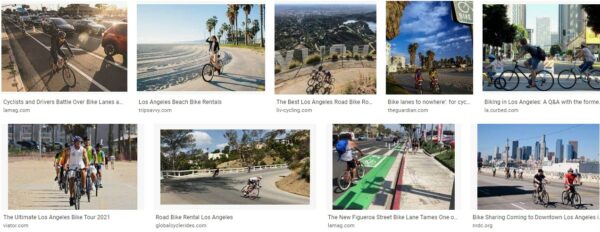
Los Angeles Tourist Attraction- Here’s How to Get Around Tourist Attractions in Los Angeles.
Cycling in Los Angeles
Cycling conditions in the City of Los Angeles and girding metropolises are in a transitional state. While sand metropolises like Santa Monica and Hermosa Beach tend to have ultramodern bike structures due to a burgeoning number of cycling residers and excursionists, all corridors of the LA metro area are subject to intolerant and motivated vehicle business, in large volume. Simply put, to stay safe you must be prepared to yield to an inattentive or intolerant automobilist at all times, wherever you are, no matter who has the right of way. Staying safe on a bike then means riding with respect to bad motorists. Lights and high visibility vesture are a must-have. For mountain bikers, LA remains a good destination, and trails and safe roads are near.
There also is a possibility of doing guided bike tenures in LA. There are colorful bike stint companies that can lead you through the megacity in a many hours. For illustration Baja Bikes, Hollywoodtourz or Bikes and Hikes LA are bike stint companies that offer guided bike tenures. With an original companion, cycling is a fun and safe way of discovering the City of Angels. You can cycle around places like the Walk of Fame, homes of the big Hollywood stars, and LA’s notorious strands ( especially beautiful is the stretch between Santa Monica and Manhattan Beach).
Public transportation in Los Angeles
Public transportation in L.A., as in utmost American metropolises, leaves commodity to be asked. Although the Los Angeles area has an expansive machine system and numerous conveyance agencies, and a fairly new shelter and elevated network to bobble, this is still not acceptable considering the region’s population and size. Although some machine routes have service every 10 to 15 twinkles, numerous others ( especially down from the main sightseer areas) have service every 30 to 90 twinkles. Also, keep in mind there isn’t a machine line to reach every niche and fissure, and as similar, it isn’t uncommon to find yourself walking up to afar or so to your destination after you’ve gotten off the machine at the closest stop.
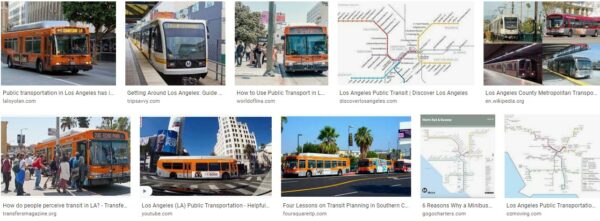
And because there are multitudinous machine conveyance agencies in the L.A. area, you may find yourself paying fresh plutocrat when you get off one conveyance agency’s machine and board another conveyance agency’s machine to continue your trip. Keep in mind, some machine routes will end service in the early evening-although a number operates 24 hours a day- so you should plan your trip consequently to make sure you aren’t stranded while on a spin, therefore subjugating yourself to a precious hack lift back to your hostel-which, depending on how far down you are, may end up going roughly the same as if you had just rented an auto for the day in the first place.
Los Angeles also has an expanding shelter/ light rail system to help speed up peregrinations around the city. However, this may serve as the rail network will take you to the sightseer areas similar as Town, Hollywood, If you plan to stay near a Metro Rail station in the devious areas. Still, those who’ll be staying or visiting devious areas, and would else have to take multiple motorcars during their visit, are explosively advised to rent a auto if the budget allows.
For callers who’ll routinely be traveling only a couple of country miles or so, staying just a many days, and not minding the 10-30 nanosecond machine stay, also they may find that theL.A. public transportation system can be sufficient. However, town L, If you intend to travel in the areas of the WestSide.A., Beverly Hills, and Hollywood, and primarily travel during weekdays, also public transportation may nicely accommodate your requirements.
Metro Rapid motorcars come more constantly and make smaller stops than original motorcars and should be used when possible. Remember that numerous metropolises in the metro area ( including Santa Monica, Culver City, Long Beach, Santa Clarita, and Ontario to name many) operate their own machine agencies, independent of the Metro, therefore charging different fares.
Los Angeles offers an applicable Valve Card, analogous to other metropolises’electronic tickets similar to London’s Oyster card. Valve Card can be loaded with stored value to use as” pay as you go” or with passes. Please note that as of January 2018 you’re NOT suitable to buy a Valve card at LAX. You can buy one at a machine at MetroRail stations or at named merchandisers- see website for details. When buying the card you’ll pay$ 2 deposits on it.
By rail
In the 1920s and 1930s, Los Angeles formerly had one of the world’s largest streetcar networks. Streetcars fell out of fashion during the 1940s and the last lines were disassembled in 1963. By the themid-1970s, it was honored that dismembering the streetcars and also failing to complete utmost of the Los Angeles highway network as planned (over half were canceled) had been a serious mistake. Utmost of Los Angeles was formerly tormented with the fabulous business logjams which have persisted to the present. After numerous times of planning and construction, the Metro Rail shelter/ elevated light rail system opened its first line in 1990, and it has been fleetly expanding ever ago.
Numerous neighborhoods and sightseeing destinations can be reached using Metro Rail, including town, Koreatown, Hollywood, North Hollywood, Santa Monica, Chinatown, Pasadena, and Long Beach. Public transportation is preferable, when possible, to the deadlock that frequently occurs on Los Angeles area highways and thoroughfares.
A single-trip chow valid on one line in one direction costs$1.75 (with free transfers for two hours) and can be bought from ticket dealing machines located in the stations. Alternately, a day pass ( valid until 3 a.m. the coming day) costs$ 7; a daily pass ( running Sunday to Saturday) costs$ 25, and a yearly pass costs$ 100. Passes allow unlimited access to Metro machines and rail lines.
Day passes can be bought through ticket dealing machines in stations (on motorcars, day passes can be bought only using an applicable Valve card), and daily and yearly passes on Valve cards can be attained online or at Metro Client Centers. (The main bone is at Union Station.) Metrorail and metrobus services can be used with the passes (many express machine routes bear payment of fresh chow except for pass druggies). Route charts are available online and in stations.
Metro chow payment works on an evidence-of- payment system. There are turnstiles in the shelter stations and some light rail stations. Passengers using a Valve card must tap the turnstile to have a valid chow. Passengers using paper one-day passes can walk through some of the turnstiles which are still uncorked, but utmost turnstiles are now locked and can only be started with a Valve card. Tickets or passes must be bought before entering boarding zones. Metro police aimlessly check for valid tickets on the trains or platforms, indeed if people didn’t board any train. The penalty for not being suitable to show a valid ticket is$ 250 and over to 48 hours of community service.
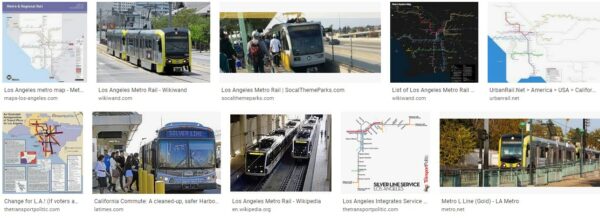
5 Lines Metro Rail/ Transitway Lines in Los Angeles
Red Line, a shelter that runs from Town (Union Station) to the Hollywood area, also to North Hollywood in the San Fernando Valley. This route shares track with the Purple Line for about half of its length; when boarding a shelter train, check its destination signs to make sure you’re on the right train. Station display signs should also give information about the destination of the train you’re boarding. Trains run on average every 12 twinkles day, getting less frequent in the evening.
Purple Line, a shelter that runs from Town (Union Station) to Koreatown. This route shares track with the Red Line for utmost of its length; when boarding a shelter train, check its destination signs to make sure you’re on the right train. Note that the Purple Line trains outside of rush hour are only two buses in length and won’t fill the length of the station. There are lair signs to help guide you to where the train will stop.
Blue Line, a light rail line that runs from Town Los Angeles (7th Street/ Metro Center Station) through South Los Angeles to Long Beach.
Expo Line, a light rail line that runs from Town Los Angeles (7th Street/ Metro Center Station) and passes through the University of Southern California and Culver City en route to Town Santa Monica.
Gold Line, a light rail line that runs from East LA through Chinatown and Northeast Los Angeles to Pasadena and further to Azusa.
GreenLine, a light rail line that runs from the South Bay (near LAX) east to the megacity of Norwalk along Interstate 105.
Orange Line, a transitway across the San Fernando Valley from North Hollywood to Warner Center (Woodland Hills), using satiny articulated” machine- trains” on rubber tires.
Tableware Line, a transitway from El Monte to Artesia using” machine- trains” on rubber tires. A surcharge is to be paid on this route. must be bought for this route.
Note that Metro operating hours and calendars vary from one line to another.
There’s presently no direct rail connection between Town Los Angeles and Los Angeles International Airport (LAX), but a free shuttle from the Metro Green Line Aviation/ LAX Station to outstations is available. Los Angeles World Airfields (LAWA) operates the much more accessible and direct LAX FlyAway shuttle every 30 min between Union Station and field outstations.
One shouldn’t confuse Metro with Metrolink, the commuter rail system. Metrolink, centered at Union Station in Los Angeles, is an indigenous train network that runs to devious cities. The system reaches as far as Ventura, Lancaster, San Bernardino, and Oceanside (northern San Diego County), but runs limited service at night and on weekends. Metrolink doesn’t accept Metro passes and therefore requires the purchase of a separate ticket. Metrolink, like Metro, uses the honor system, where no walls are needed to enter the system, but frequent arbitrary examinations are used to ensure that every passenger has a valid ticket. However, the forfeiture is$ 250, with 48 hours of community service, If a passenger is a plant without a valid ticket. Metrolink tickets are recognized as a day pass on Metrorail and Metrobus.
Read more: https://wikitravel.org/en/Los_Angeles
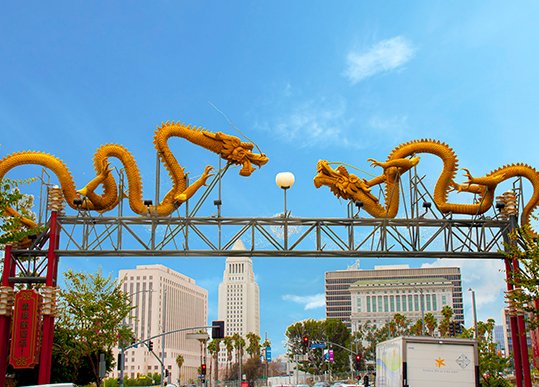 Kawada Hotel Downtown La Hotel Hotel Near Walt Disney Concert Hall
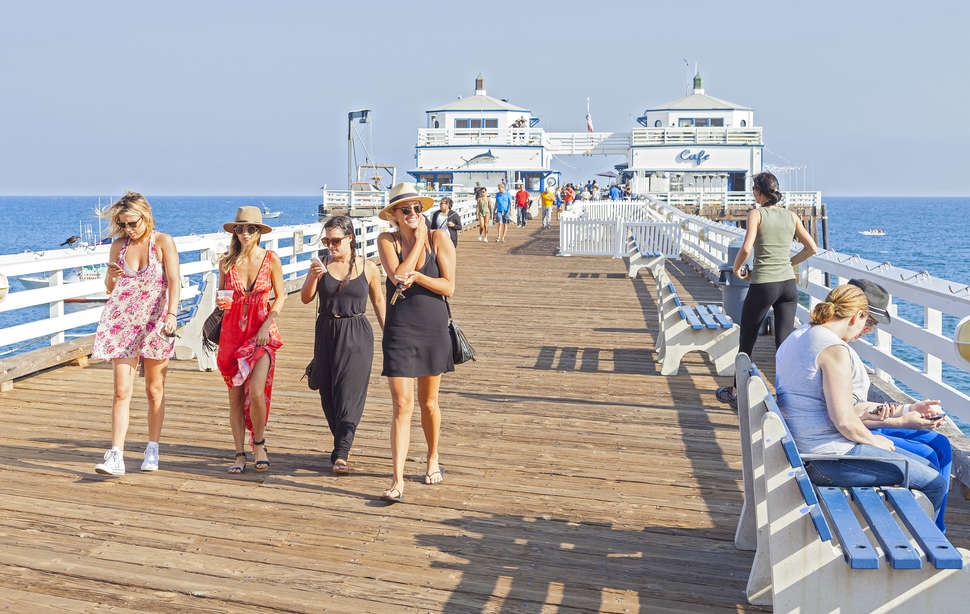 Los Angeles Points Of Interest Best La Attractions Landmarks
Top 10 Most Beautiful Places In Los Angeles United States
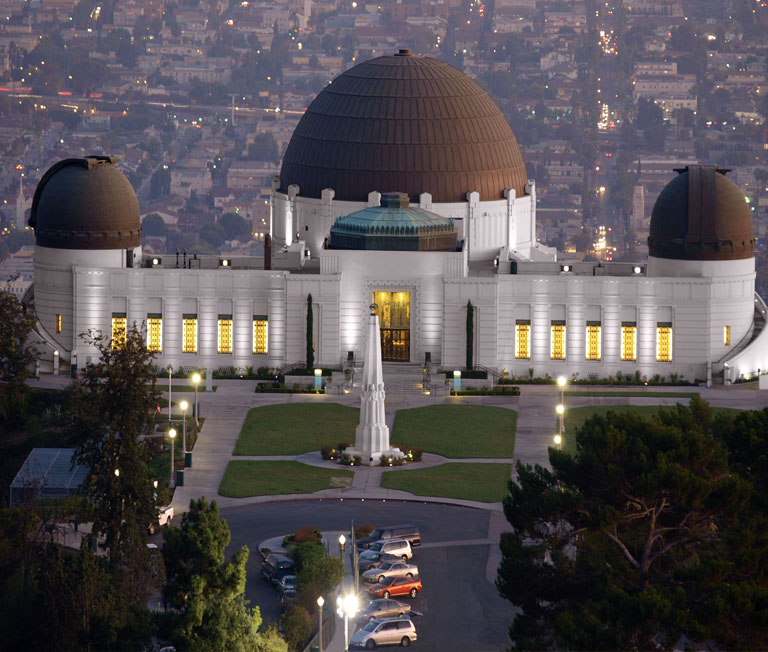 Top Tourist Attractions In Los Angeles Ca Kawada Hotel
 Must See Los Angeles Attractions


