
Manufacturing Traveler Example – Understanding the Modern Workforce

Brandon Gutmann

What is a Manufacturing Traveler Example (assetpulse.com)

Manufacturing Traveler Example. In today’s fast-paced manufacturing landscape, the concept of the Manufacturing Traveler has emerged as a crucial component in ensuring operational efficiency and competitiveness. This article delves into what a manufacturing traveler is, its significance in the industry, and the evolving nature of work in manufacturing settings.

What is a Manufacturing Traveler Example?

Puri Dharmawangsa Villas Nusa Dua
What is a Manufacturing Traveler Example (isolocity.com)


A manufacturing traveler is essentially a document or digital record that outlines the specific processes, materials, and steps required to complete a manufacturing job. It serves as a guide for workers on the shop floor, detailing everything from raw material requirements to machine settings and quality control checks.

Key Components of a Manufacturing Traveler

  1. Process Steps: Each manufacturing traveler lists step-by-step instructions that workers must follow to ensure that products are made correctly and efficiently.
  2. Materials Needed: This section specifies the materials and quantities required for each job, ensuring that workers have everything they need at their fingertips.
  3. Quality Control Criteria: To maintain standards, travelers often include checks and measures that must be taken at various stages of production.
  4. Tooling and Equipment: It details the specific tools and machines required, including setup instructions to minimize downtime.

Importance of Manufacturing Travelers

The manufacturing traveler plays a vital role in several aspects of production:

  • Consistency: By standardizing processes, travelers help maintain consistent product quality.
  • Efficiency: Clear instructions streamline workflows, reducing the time spent on each task.
  • Training Aid: New employees can refer to manufacturing travelers as they learn the ropes, enhancing their onboarding process.
  • Communication Tool: It acts as a bridge between management and floor workers, ensuring everyone is on the same page regarding expectations and processes.

A Case Study: Implementing Digital Travelers

A notable example of the effectiveness of manufacturing travelers can be seen in a case study of a mid-sized aerospace manufacturer that transitioned from paper-based travelers to digital versions. By implementing a digital traveler system, the company achieved a 20% reduction in production time and a 15% increase in first-pass yield rates.

Key Findings from the Case Study:

  • Increased Accuracy: Digital travelers minimized human error by providing real-time updates and reducing the reliance on manual data entry.
  • Enhanced Traceability: Each step of the production process was documented, allowing for better tracking and accountability.
  • Real-Time Data Access: Workers could access updated information instantly, which was particularly beneficial in a fast-paced environment.

Tips for Optimizing Manufacturing Travelers

To maximize the effectiveness of manufacturing travelers, consider the following tips:

  1. Regularly Update Content: Ensure that all information is current and reflects any changes in processes or materials.
  2. Incorporate Visual Aids: Use diagrams and images to supplement text, making it easier for workers to understand complex steps.
  3. Solicit Feedback: Encourage workers to provide input on the travelers to improve clarity and usability.
What is a Manufacturing Traveler Example (mastercontrol.com)


The Evolution of the Manufacturing Traveler in Industry 4.0

As industries embrace Industry 4.0, the role of the manufacturing traveler is undergoing a significant transformation. This shift is characterized by the integration of smart technologies, data analytics, and connectivity that redefine traditional manufacturing processes.

Key Features of Industry 4.0

  1. IoT Integration: The Internet of Things (IoT) allows machines and systems to communicate with each other, providing real-time data that can be reflected in the manufacturing traveler.
  2. Big Data Analytics: The ability to analyze large sets of data enables manufacturers to make informed decisions, enhancing the traveler’s effectiveness by incorporating data-driven insights.
  3. Artificial Intelligence (AI): AI can help optimize manufacturing processes, suggesting adjustments to improve efficiency that can be immediately updated in travelers.
  4. Cloud Computing: Cloud platforms provide centralized access to manufacturing travelers, ensuring that workers on the floor can access the latest information from anywhere.

Benefits of Modernizing Manufacturing Travelers

The modernization of manufacturing travelers brings several advantages:

  • Real-Time Updates: With digital travelers, changes can be made on the fly, ensuring that all workers have access to the latest instructions.
  • Enhanced Flexibility: Digital travelers can easily adapt to different product variations or production methods, accommodating rapidly changing market demands.
  • Improved Collaboration: Cloud-based systems promote better communication and collaboration between teams, allowing for seamless information sharing.

Case Study: A Smart Factory Transformation

Consider a leading automotive manufacturer that implemented smart technologies in its production line. By integrating IoT devices with its manufacturing travelers, the company was able to monitor machinery performance in real-time. This integration led to:

  • Predictive Maintenance: By analyzing data from machines, the system could predict failures before they occurred, minimizing downtime.
  • Enhanced Worker Productivity: Workers received alerts and updates directly to their mobile devices, streamlining communication and response times.
  • Data-Driven Decisions: Management could use real-time analytics to adjust production schedules and workflows dynamically.

Challenges in Transitioning to Digital Travelers

While the benefits of adopting modern manufacturing travelers are clear, the transition can pose challenges:

  • Training Needs: Employees must be trained to use new technologies and platforms effectively.
  • Resistance to Change: Some workers may be accustomed to traditional methods and reluctant to adopt new systems.
  • Integration Issues: Ensuring that new technologies work seamlessly with existing systems can be complex.

Tips for Successful Implementation

To facilitate a smooth transition to modern manufacturing travelers, consider these strategies:

  1. Invest in Training: Provide comprehensive training programs for all employees to familiarize them with new technologies.
  2. Engage Employees: Involve workers in the transition process to foster buy-in and reduce resistance.
  3. Pilot Programs: Start with pilot projects to test digital travelers before a full-scale rollout.
What is a Manufacturing Traveler Example (assetpulse.com)


The Future of Manufacturing Travelers: Trends and Innovations

As manufacturing continues to evolve, the future of manufacturing travelers looks promising, driven by innovations that enhance efficiency, flexibility, and adaptability in production processes. Understanding these trends is essential for manufacturers aiming to stay competitive in an ever-changing market.

Emerging Trends in Manufacturing Travelers

  1. Augmented Reality (AR): AR technology can be integrated with manufacturing travelers to provide workers with immersive, interactive guides. This can enhance understanding and execution of complex tasks through real-time overlays of information.
  2. Blockchain Technology: Blockchain can enhance traceability and transparency in manufacturing processes. By recording every step in the production process on a secure, immutable ledger, manufacturers can ensure that travelers are always accurate and verifiable.
  3. Customization and Personalization: As consumer demand for customized products grows, manufacturing travelers will need to adapt to enable flexible production lines. This includes accommodating variable batch sizes and unique configurations.
  4. Sustainability Practices: With increasing emphasis on sustainability, manufacturing travelers will incorporate eco-friendly practices. This may include guidelines for waste reduction, energy efficiency, and sustainable sourcing of materials.

Innovations Shaping the Future

  • Smart Sensors: Integrating smart sensors into the manufacturing process can provide real-time data that can be fed into travelers. For example, sensors can detect when a machine is operating outside of optimal parameters, alerting workers to potential issues before they escalate.
  • Collaborative Robots (Cobots): The rise of collaborative robots in manufacturing is reshaping how travelers are utilized. Cobots can work alongside human workers, taking on repetitive tasks and allowing travelers to focus on more complex activities that require human judgment and dexterity.
  • Digital Twin Technology: Digital twins—virtual replicas of physical systems—allow manufacturers to simulate and analyze processes before implementing changes. This can inform updates to travelers, optimizing workflows based on predicted outcomes.

The Impact of AI and Machine Learning

Artificial intelligence and machine learning are revolutionizing how manufacturing travelers are created and utilized:

  • Predictive Analytics: AI can analyze historical data to predict issues before they arise, allowing manufacturers to adjust their processes proactively and update travelers accordingly.
  • Personalized Work Instructions: Machine learning can customize traveler instructions based on individual worker performance, adapting guidance to enhance efficiency and reduce error rates.

Preparing for the Future

To prepare for these trends, manufacturers should consider the following steps:

  1. Invest in Technology: Prioritize investment in emerging technologies that can enhance the functionality of manufacturing travelers.
  2. Foster a Culture of Innovation: Encourage a mindset that embraces change and innovation within the workforce, enabling quicker adaptation to new processes.
  3. Stay Informed: Keep abreast of industry trends and emerging technologies through continuous education and engagement with industry experts.

A Forward-Looking Perspective

The future of manufacturing travelers is bright, fueled by technological advancements and a focus on adaptability and efficiency. As the manufacturing landscape continues to change, embracing these innovations will be crucial for maintaining competitiveness and achieving operational excellence.


Embracing the Manufacturing Traveler Revolution

The manufacturing traveler has evolved from a simple guide to a dynamic tool that plays a pivotal role in modern manufacturing. As industries continue to navigate the complexities of Industry 4.0, understanding the significance of manufacturing travelers—and how they can be optimized—becomes essential for any manufacturer aiming for success in today’s competitive landscape.

Key Takeaways

  1. Central Role in Operations: Manufacturing travelers are crucial for ensuring consistency, efficiency, and quality in production processes. They act as the backbone of operational workflows, guiding workers through each step.
  2. Adapting to Change: The transition from traditional paper-based travelers to digital and smart travelers marks a significant shift in how manufacturing operates. Embracing these changes is not just beneficial; it’s necessary for survival in an increasingly digital world.
  3. Future Innovations: Emerging technologies such as AR, AI, and blockchain are poised to redefine how manufacturing travelers function. Staying ahead of these trends will empower manufacturers to improve productivity and adaptability.
  4. Workforce Engagement: The success of implementing modern manufacturing travelers relies heavily on worker engagement and training. Ensuring that employees are equipped with the necessary skills and knowledge will lead to better outcomes and reduced resistance to new technologies.

Final Thoughts

As we look to the future, the manufacturing traveler will continue to evolve, reflecting the ongoing advancements in technology and the ever-changing needs of the market. Manufacturers that invest in these tools and the accompanying training and technology will be better positioned to innovate, respond to customer demands, and enhance their overall operational efficiency.

Useful Tips for Manufacturers

  • Regularly Review Travelers: Continuously assess and update manufacturing travelers to align with best practices and technological advancements.
  • Leverage Data: Use data analytics to refine processes and ensure travelers reflect the most efficient workflows.
  • Encourage Feedback: Create channels for workers to provide feedback on travelers, fostering a culture of improvement and innovation.

References of Manufacturing Traveler Example

  1. Industry 4.0: The Future of Productivity and Growth in Manufacturing Industries. (McKinsey & Company)
  2. How Smart Manufacturing Improves Operations. (Harvard Business Review)
  3. The Role of Blockchain in Manufacturing. (Deloitte Insights)


Manufacturing traveler example. Reasonable traveler due date job part qty fill in the last little bits and youre 2 clicks away from creating an invoice and you have a traveler that is almost complete. It is typically printed at time of job release and travels with the job as it progresses through the shop. Keep it simple pertinent information only blocks to fill out that you are actually going to use for data or tracking or whatever no extra bs unless it.

With discrete production an item is produced when a customers shop order is created or as a requirement to replenish inventory. This allows the manufacturing software to total the hours required to complete all the operations listed in the traveler. The quantity to be produced.

In the configuration there is a setting that allows start and stop times to be used in the traveler. All manufacturing process planning documentation needed for a world class manufacturer is listed below. Hi all does anyone have an example of a job travelerwork order template that they would care to post.

In discrete production manufacturing routing of an orderfrom when it is placed until it is finalized is an important step or series of steps. I used to have one but im not sure where i put. The shop traveler is a document that normally travels with the order around the shop floor and provides all instructions and information needed by the shop to manufacture the item.

Traveler sample download as word doc doc pdf file pdf text file txt or read online. All the required process planning templates from the initial flowchart diagrams of the production sequence to all the way down to the standard operating procedures for each workstation. Manufacturing process planning templates.

The traveler typically covers who the customer is. Scribd is the worlds largest social reading and publishing site. Manufacturing work order traveler.

There is also an optional sigh off template that can be added to the traveler. The tenets of lean manufacturing suggest yes. Should that document be more than a simple review of the basics.
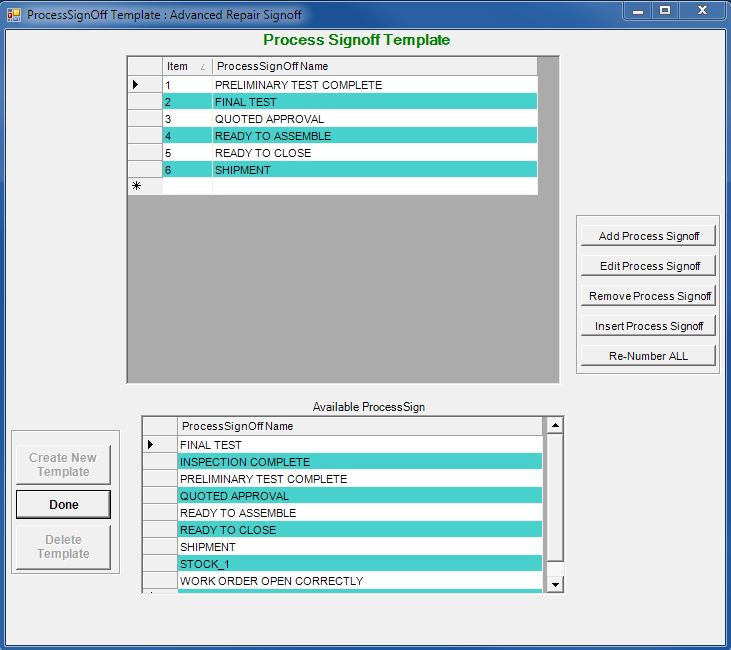
Manufacturing Traveler Process Sign Off Template

Here are 15 engaging titles related to Manufacturing Traveler Example:

  1. Unlocking Efficiency: The Power of the Manufacturing Traveler Example
  2. Revolutionizing Production: A Deep Dive into the Manufacturing Traveler Example
  3. From Concept to Completion: Understanding the Manufacturing Traveler Example
  4. Streamlining Operations: The Impact of the Manufacturing Traveler Example
  5. The Future of Production: Innovations in the Manufacturing Traveler Example
  6. Enhancing Quality Control with the Manufacturing Traveler Example
  7. How the Manufacturing Traveler Example Transforms Workforce Training
  8. A Step-by-Step Guide to Implementing the Manufacturing Traveler Example
  9. Exploring Digital Solutions: The Evolution of the Manufacturing Traveler Example
  10. Case Studies in Success: Real-World Applications of the Manufacturing Traveler Example
  11. The Role of Technology in Shaping the Manufacturing Traveler Example
  12. Best Practices for Optimizing the Manufacturing Traveler Example in Your Facility
  13. Bridging Communication Gaps: The Manufacturing Traveler Example in Action
  14. Achieving Consistency and Quality with the Manufacturing Traveler Example
  15. The Manufacturing Traveler Example: Key to Adapting in Industry 4.0

Also Read

Bagikan:

Leave a comment