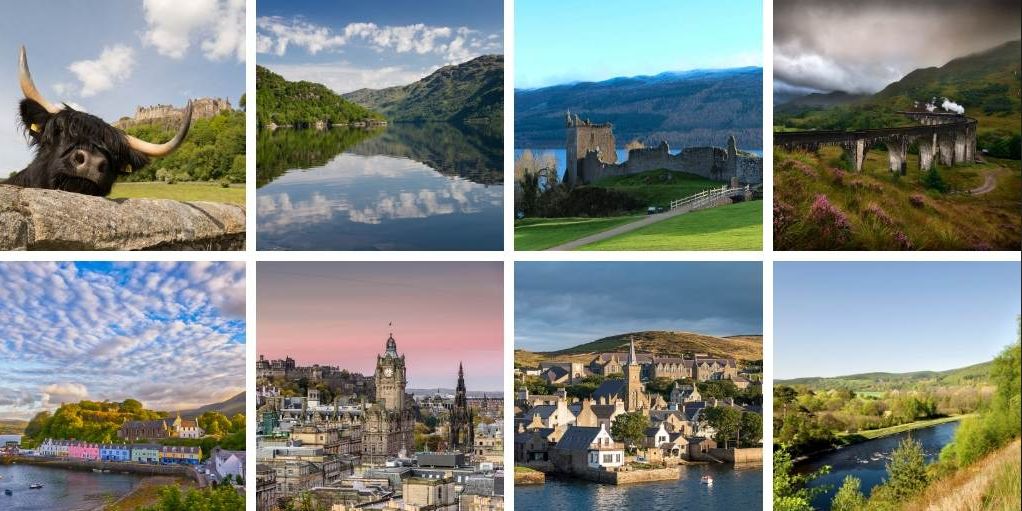
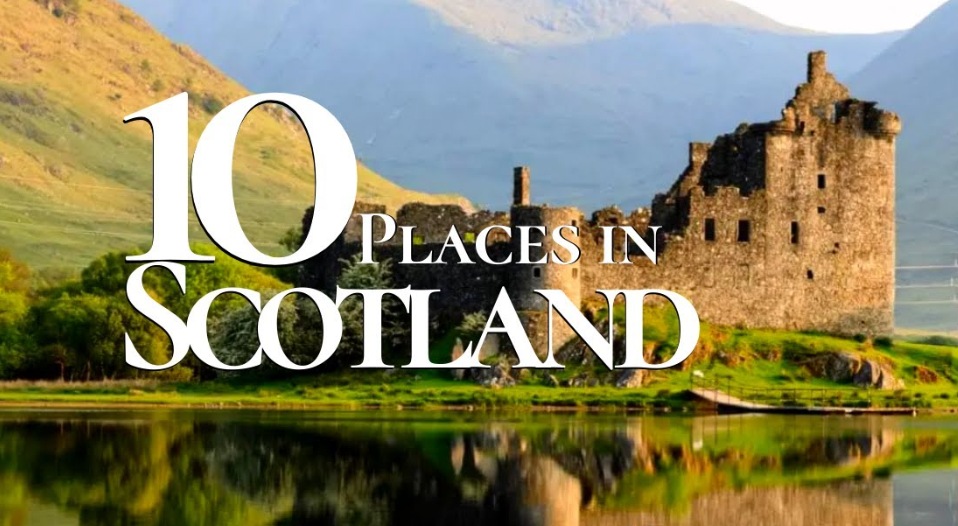
Top 10 Tourist Attractions in Scotland Scotland tourist
Top Ten Tourist Attractions In Scotland. Scotland, a land steeped in history, natural beauty, and rich cultural heritage, is a must-visit destination for travelers seeking a unique and enchanting experience. From its majestic highlands and historic castles to the bustling city life of Edinburgh and Glasgow, Scotland has an array of attractions that cater to all interests. This guide provides a detailed exploration of the top ten tourist attractions in Scotland, offering insights, tips, and information to help you plan an unforgettable journey.
In this guide, we’ll explore the top ten tourist attractions in Scotland, providing you with in-depth information and helpful tips to make the most of your visit.
Top Ten Tourist Attractions in Scotland: A Comprehensive Guide
Top Ten Tourist Attractions in Scotland- A Comprehensive Guide (uktravelplanning.com)
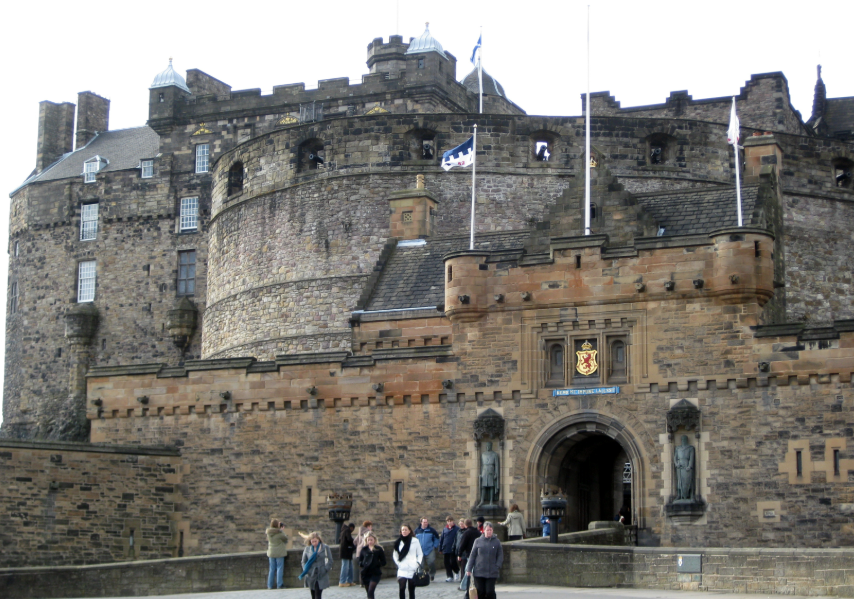
Edinburgh Castle
Located on Castle Rock and towering over the city, Edinburgh Castle is one of the most iconic landmarks in Scotland. It serves as a focal point of Scottish history and attracts millions of visitors each year. Edinburgh Castle is undoubtedly one of Scotland’s most iconic landmarks. Perched atop an extinct volcanic hill, it dominates the skyline of the capital city, Edinburgh. This historic fortress has stood the test of time for over a thousand years, making it a must-see attraction for anyone visiting Scotland.
Why Visit Edinburgh Castle?
Rich History: Edinburgh Castle has played a crucial role in Scotland’s history, serving as a royal residence, military stronghold, and symbol of Scottish independence.
Stunning Views: From the castle, visitors are treated to breathtaking views of the city and the surrounding landscape.
Key Attractions: Inside the castle, you’ll find the Crown Jewels of Scotland, the Stone of Destiny, and the National War Museum of Scotland. The famous St. Margaret’s Chapel, dating back to the 12th century, is the oldest surviving building within the castle.
Edinburgh Castle (common.wikipedia.org) – Top Ten Tourist Attractions In Scotland
Interesting Facts:
Edinburgh Castle is one of the most-visited tourist attractions in Scotland, attracting over 2 million visitors annually.
The Castle’s Crown Jewels were once hidden to protect them from English invaders.
The annual Edinburgh Military Tattoo takes place on the castle grounds every August, featuring spectacular performances by military bands from around the world.
Tip for Visitors:
To avoid long lines, try to visit early in the morning or later in the afternoon, especially during peak tourist season (summer months). Booking tickets online in advance can also save time.
Historical Significance: Dating back to at least the 12th century, Edinburgh Castle has been a royal residence, military stronghold, and the site of numerous historical events. It played a critical role in the Wars of Scottish Independence.
Must-See Features:
Crown Jewels of Scotland: Comprising the crown, scepter, and sword, these relics are a powerful symbol of Scottish sovereignty.
Stone of Destiny: A sacred object used in the coronation of Scottish kings.
Tips for Visiting: Arrive early to avoid crowds and attend the One O’Clock Gun firing for a memorable experience.
Admission and Timings: Check online for the latest ticket prices and opening hours to plan your visit effectively.
Did You Know? Edinburgh Castle is believed to be one of the most haunted sites in Scotland, with countless tales of ghostly apparitions and eerie experiences.
Isle of Skye
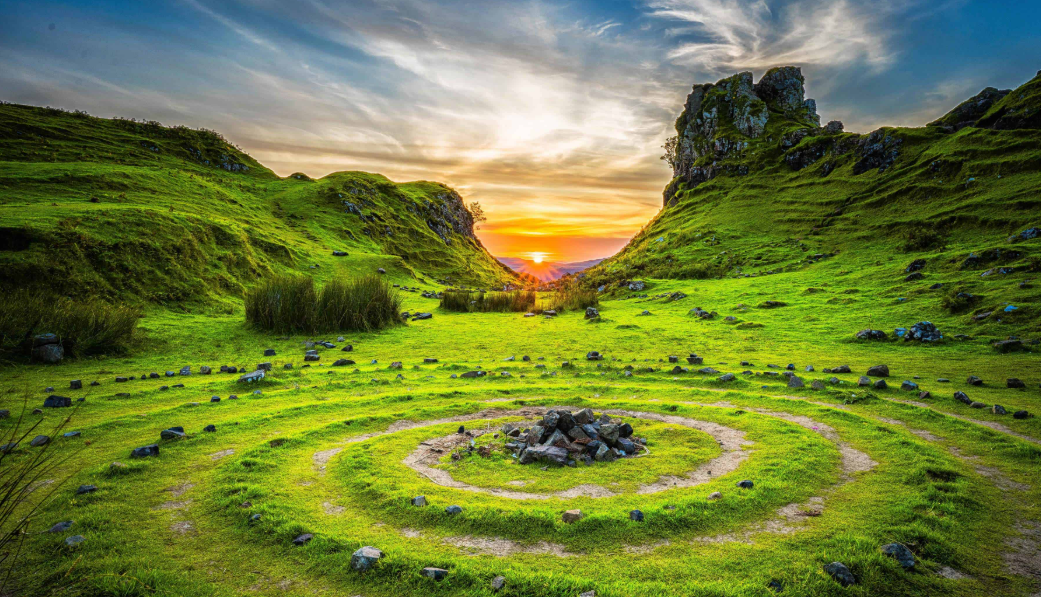
Isle of Skye (pixelz.cc)Isle of Skye (pixelz.cc)- Top Ten Tourist Attractions In Scotland
The Isle of Skye is a jewel in Scotland’s crown, known for its rugged landscapes, dramatic coastlines, and picturesque villages. It is the largest island of the Inner Hebrides and is famous for its breathtaking natural beauty that attracts adventurers, photographers, and nature enthusiasts.
Natural Wonders:
The Quiraing: A landslip on the northernmost point of Trotternish Ridge, offering panoramic views and a hiker’s paradise.
Fairy Pools: Crystal-clear, blue pools located near Glenbrittle, ideal for a refreshing swim or simply soaking in the view.
Old Man of Storr: A striking rock formation that is one of the most photographed landmarks in Scotland.
Wildlife and Flora: The Isle of Skye is home to an array of wildlife, including golden eagles, otters, and red deer. The island’s diverse flora, such as wild orchids and heather, adds to its mystique.
Cultural Highlights: Skye’s history is deeply intertwined with Scottish clans, particularly the MacLeods and MacDonalds. Visitors can explore Dunvegan Castle, the seat of the MacLeod clan, which boasts fascinating artifacts and a rich family history.
Tips for Visiting:
Best Time to Visit: Late spring to early autumn provides the most favorable weather and daylight for exploration.
Accommodation: Book well in advance, especially in summer, as the Isle’s popularity means that lodging fills up quickly.
Local Experiences: Attend traditional ceilidhs (Scottish folk dances) or visit the Talisker Distillery for a taste of the island’s famed whisky.
Quote from a Traveler: “The Isle of Skye feels like stepping into another world. The landscapes are both hauntingly beautiful and deeply humbling.” – Emily R., travel blogger.
Interesting Fact: The Isle of Skye was featured prominently in movies like Prometheus and The BFG, showcasing its cinematic landscapes.
Loch Ness and the Legend of Nessie
Loch Ness- The Legendary and Beautiful Highland Loch- Top Ten Tourist Attractions In Scotland
Loch Ness, nestled in the Scottish Highlands, is one of Scotland’s most famous and mysterious attractions. Stretching over 23 miles, this deep, dark freshwater loch is globally renowned not just for its beauty, but for the legendary creature that allegedly inhabits its waters—Nessie, the Loch Ness Monster.
Loch Ness: The Legendary and Beautiful Highland Loch
Loch Ness is one of the most famous bodies of water in the world, largely due to the legendary creature said to inhabit its depths, known as Nessie, the Loch Ness Monster. Located in the Scottish Highlands, this stunning freshwater lake stretches for 23 miles, surrounded by picturesque villages, dramatic hills, and ancient ruins. Whether you’re a fan of mystery, nature, or history, Loch Ness offers something unique for every traveler.
Why Visit Loch Ness?
Natural Beauty: The lake and its surrounding landscape are breathtaking, with lush forests and rugged hills creating an almost mystical atmosphere. A cruise on the loch offers amazing views of the water and nearby cliffs.
Nessie and the Mystery: While the legend of the Loch Ness Monster may be more folklore than fact, the mystery surrounding Nessie adds an extra layer of intrigue for visitors.
Historical Sites: The ruins of Urquhart Castle, located on the shores of Loch Ness, offer both historical insight and panoramic views of the loch.
Key Attractions Around Loch Ness:
Urquhart Castle: This medieval fortress is one of the most popular spots around Loch Ness, offering stunning views over the water and an opportunity to learn about Scotland’s turbulent history.
Loch Ness Centre & Exhibition: If you’re curious about the science behind the Loch Ness Monster and the region’s geology, this interactive museum is a must-see.
Boat Tours: There are several boat tour companies offering cruises on Loch Ness, some of which include informative commentary about the history, wildlife, and legends of the loch.
Interesting Facts:
Loch Ness is the largest body of freshwater in Scotland by volume, though not by surface area. It’s also one of the deepest lochs, reaching depths of 755 feet (230 meters).
The first recorded sighting of Nessie dates back to 565 AD when Saint Columba reportedly encountered the creature.
Tip for Visitors:
To get a full view of Loch Ness, it’s best to visit different viewpoints, such as Balmacaan Wood, which offers a scenic hike with spectacular views of the loch. If you’re interested in Nessie, the Loch Ness Exhibition Centre offers a fascinating look at the legend and the surrounding area’s history.
The Legend of Nessie:
The legend of the Loch Ness Monster dates back to ancient times, with the first recorded sighting in the 6th century by Saint Columba. Modern fascination surged in 1933 when reports and photographs purportedly showed a large, mysterious creature in the loch.
Despite the lack of definitive evidence, countless expeditions and studies have been conducted, fueling the loch’s mythical allure.
Top Attractions Around Loch Ness:
Urquhart Castle: Perched on the edge of the loch, this castle offers panoramic views and a deep dive into medieval Scottish history. It’s the perfect spot for photo opportunities and imagining sightings of Nessie.
Loch Ness Centre & Exhibition: Located in Drumnadrochit, this center provides an in-depth look at the loch’s history, geology, and the extensive search for its legendary resident.
Cruise Tours: Boat tours on Loch Ness offer scenic vistas and the thrilling possibility of spotting Nessie. These tours often come with sonar equipment for a modern twist on monster hunting.
Interesting Facts:
Depth and Size: Loch Ness holds more freshwater than all the lakes in England and Wales combined. Its maximum depth reaches about 227 meters (745 feet), contributing to the mystery of what lies beneath.
Nessie Sightings: The most famous photograph of Nessie, known as the Surgeon’s Photograph (1934), was later revealed to be a hoax, but that has not dampened public interest. Reports of sightings continue to be submitted each year.
Tips for Visitors:
Optimal Viewing Points: Try Dores Beach or Invermoriston for scenic spots that provide expansive views of the loch.
Best Time to Visit: Early mornings or evenings during summer can be ideal for a tranquil experience on the loch.
Bring Binoculars: For those hoping to glimpse Nessie or observe birdlife, binoculars can enhance the experience.
Quote: “There’s something truly magical about standing on the banks of Loch Ness as the mist rolls across the water. Whether or not you believe in Nessie, the atmosphere is captivating.” – James H., historian and travel enthusiast.
Did You Know? The term “cryptozoology” often includes Nessie as one of the most well-known subjects, drawing researchers and amateur sleuths from around the world.
Glencoe: A Valley of Beauty and Tragedy
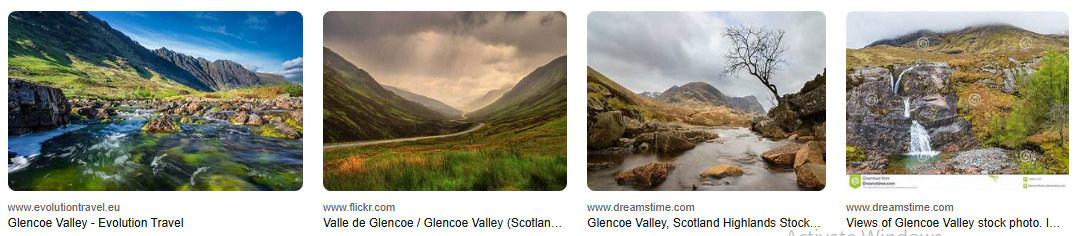
Glencoe- A Valley of Beauty and TragedyGlencoe- A Valley of Beauty and Tragedy– Top Ten Tourist Attractions In Scotland
Glencoe is often described as one of the most beautiful and haunting valleys in Scotland. Situated in the Highlands, it is a place where history, natural splendor, and somber tales converge. Glencoe’s stunning landscapes and tragic past make it an essential stop on any Scottish itinerary.
Historical Significance:
Glencoe is perhaps most famous for the Massacre of Glencoe in 1692, an event that still resonates in Scottish memory. This tragic episode saw members of the MacDonald clan killed by government forces who had sought shelter with them. The massacre was a result of political treachery and clan rivalries during a turbulent period in Scottish history.
The phrase “Murder Under Trust” comes from this betrayal, where guests (the government troops) turned on their hosts (the MacDonalds) after enjoying their hospitality.
Breathtaking Landscapes:
The Three Sisters of Glencoe: These three peaks—Beinn Fhada, Gearr Aonach, and Aonach Dubh—create a dramatic landscape that captivates hikers and photographers alike.
Hidden Valley (Coire Gabhail): Once used by the MacDonalds to hide their cattle, the Hidden Valley offers a moderately challenging hike with rewarding views.
Glencoe Lochan: A tranquil, forested area with walking trails, this spot was landscaped by Lord Strathcona to resemble British Columbia, Canada, to comfort his homesick wife.
Activities and Adventures:
Hiking and Climbing: Glencoe boasts some of the best hiking routes in the Highlands, from beginner trails to more advanced climbs like the Aonach Eagach Ridge.
Photography: The ever-changing weather and mist that drifts through the glen provide perfect conditions for atmospheric photography.
Wildlife Watching: Spotting red deer, golden eagles, and Highland cattle adds to the experience of exploring Glencoe’s wild terrain.
Tips for Visiting:
Weather Preparation: The weather in Glencoe can be unpredictable, so dress in layers and carry waterproof gear.
Safety First: If you plan on hiking more challenging routes, ensure you have a map, compass, and sufficient supplies. Hiring a guide can also enhance your experience, particularly for less experienced climbers.
Best Time to Visit: Autumn is particularly striking as the landscape is bathed in golden and red hues, but any season offers a unique beauty.
Interesting Fact: Glencoe’s dramatic scenery has been featured in several films, including Skyfall (2012) and Harry Potter and the Prisoner of Azkaban (2004).
Case Study: The Glencoe Visitor Centre reported a surge in visits after the release of movies showcasing the valley’s scenic allure. This center provides historical context and information for those exploring the glen and nearby attractions.
Quote: “Glencoe isn’t just a place you visit; it’s a place you feel. The mountains echo the whispers of history, and the landscapes seem alive with stories.” – Fiona M., local guide.
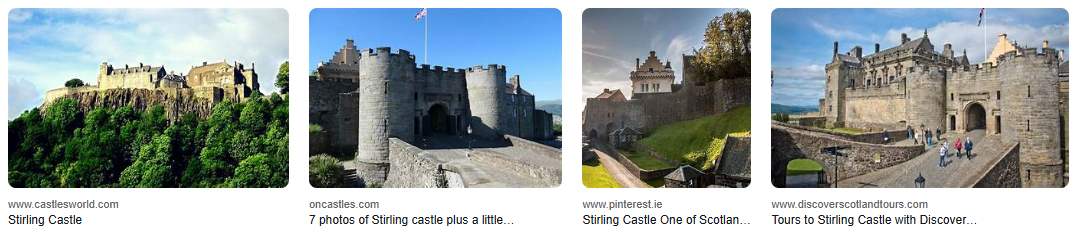
Stirling Castle and its Strategic Importance
Stirling Castle and its Strategic Importance- Top Ten Tourist Attractions In Scotland
Stirling Castle stands as one of Scotland’s grandest castles, rich in history and central to the nation’s medieval power struggles. Strategically located on a volcanic crag, it commands views of the surrounding countryside and played a pivotal role in many significant battles.
Historical Overview:
Stirling Castle was a focal point in Scotland’s history, acting as a royal residence and a fortress. It was where many Scottish kings and queens were crowned, including the famous Mary, Queen of Scots, in 1543.
The castle’s strategic location near the River Forth made it the key to controlling access between the Scottish Highlands and Lowlands. This position led to numerous sieges and battles, most notably during the Wars of Scottish Independence.
The Battle of Stirling Bridge (1297) is one of the most notable conflicts associated with the castle, where William Wallace famously defeated the English army.
Key Features to Explore:
The Great Hall: Completed in 1503, this impressive structure served as a venue for royal banquets and events.
The Royal Palace: Adorned with intricate Renaissance architecture, the palace showcases beautiful carvings and statues that reflect the opulence of its royal inhabitants.
The Chapel Royal: Built by James VI in 1594 for the baptism of his son, Prince Henry, this chapel boasts vibrant murals and unique architectural features.
Stirling Heads Gallery: These intricate oak carvings of royalty and historical figures provide insight into the artistry and craftsmanship of the era.
Educational and Interactive Experiences:
The castle offers guided tours led by knowledgeable historians who bring its vibrant past to life. Reenactments and costumed actors often recreate scenes from history, making the visit immersive and engaging.
Visitors can participate in workshops and exhibitions that delve into medieval weaponry, Scottish heraldry, and castle defenses.
Tips for Visitors:
Time Your Visit: Arrive early to explore the castle thoroughly and attend one of the daily guided tours.
Accessibility: The castle’s historical structure may present challenges for those with limited mobility. Check ahead for specific accessibility options and resources.
Nearby Attractions: After exploring Stirling Castle, consider visiting the nearby Wallace Monument, which commemorates the life of William Wallace and offers panoramic views from its summit.
Interesting Fact: Stirling Castle’s defenses included the innovative Forework, a fortified entrance created by James IV, making it one of the most impregnable strongholds of its time.
Quote: “Standing at the battlements of Stirling Castle, you can almost hear the echoes of history—swords clashing, voices rising in victory, and the thundering of hooves as armies approached.” – Robert L., historian.
Case Study: The Stirling Castle restoration project in the early 21st century breathed new life into its ancient halls. The reconstruction of the Great Hall and restoration of its Renaissance architecture have allowed visitors to experience the castle as it might have looked during its prime.
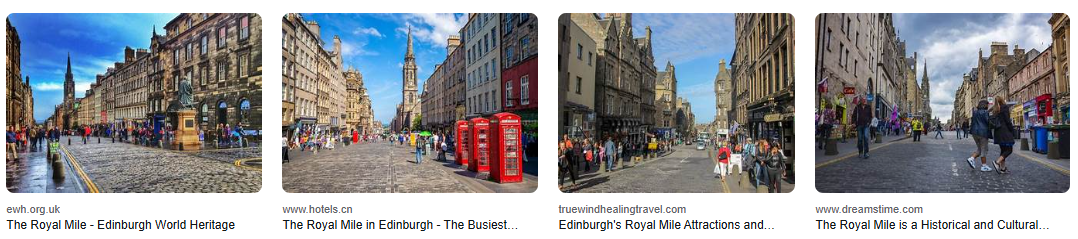
The Royal Mile and Its Cultural Charm
The Royal Mile and Its Cultural Charm- Top Ten Tourist Attractions In Scotland
The Royal Mile is the historic heart of Edinburgh, stretching roughly a mile from Edinburgh Castle at the top to the Palace of Holyroodhouse at the bottom. It is a vibrant thoroughfare lined with significant landmarks, shops, restaurants, and hidden gems that showcase Scotland’s culture and history.
Historical Significance:
The Royal Mile has been a center of Scottish life since the medieval era. Originally known as the “High Street,” it served as a key route linking the castle with the palace and the city’s main thoroughfare for trade and social gatherings.
The name “Royal Mile” reflects its royal connections, being the route taken by monarchs traveling between the castle and their palace.
Key Attractions Along the Royal Mile:
Edinburgh Castle: Dominating the skyline, this fortress is a must-visit, featuring the Crown Jewels and the historic Stone of Destiny.
St Giles’ Cathedral: Known for its stunning architecture and the Thistle Chapel, which boasts intricate wood carvings and is associated with the Order of the Thistle.
Holyrood Palace: The official residence of the British monarch in Scotland, steeped in royal stories and famous for housing Mary, Queen of Scots.
The Real Mary King’s Close: This underground network offers a glimpse into the lives of 17th-century Edinburgh residents, telling tales of both prosperity and plague.
Cultural Highlights:
The Royal Mile is more than a historical path; it’s a hub of street performances, local artisan shops, and quaint pubs serving traditional Scottish fare.
Each year, during the Edinburgh Festival Fringe, the street transforms into a lively showcase of art, theater, and music. Performers from around the world gather to entertain visitors, adding to the already rich cultural atmosphere.
Tips for Visiting:
Best Time to Explore: Summer months, especially during the festival season, offer a lively and engaging experience. For those seeking quieter exploration, visit in the early morning or during the off-season.
Walking Tours: Consider joining a walking tour to learn the rich stories and secrets behind the landmarks. Ghost tours are also popular, revealing the darker side of the city’s past.
Must-Try Foods: Sample traditional Scottish dishes like haggis, neeps, and tatties at one of the cozy restaurants along the way.
Shopping and Souvenirs:
The Royal Mile is a shopper’s paradise, with stores selling everything from handmade kilts and tartan scarves to whisky and locally made crafts.
Look out for authentic Harris Tweed items and Celtic jewelry, perfect mementos of your visit.
Interesting Fact: The Royal Mile is not exactly a mile long; it measures approximately 1.12 miles, giving rise to its colloquial term “Scots Mile.”
Quote: “Walking down the Royal Mile feels like a journey through time—each stone seems to tell a story, and each corner reveals a piece of Edinburgh’s rich heritage.” – Amanda C., travel writer.
Did You Know? The Royal Mile’s historic closes (alleyways) each have their unique names and tales, such as Fleshmarket Close and Advocate’s Close, often tied to the trades or notable figures that lived there.
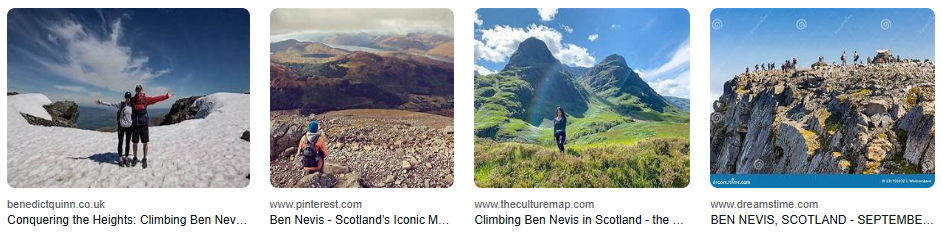
Ben Nevis: The Majestic Peak of Scotland
Ben Nevis- The Majestic Peak of ScotlandBen Nevis- The Majestic Peak of Scotland- Top Ten Tourist Attractions In Scotland
Ben Nevis, the tallest mountain in the British Isles, stands at a commanding 1,345 meters (4,413 feet). Located near the town of Fort William in the Scottish Highlands, this iconic peak draws adventurers, hikers, and nature enthusiasts from around the world.
A Historical and Geological Wonder:
Ben Nevis is part of the Grampian Mountain range and was formed millions of years ago through volcanic activity. The remnants of this ancient eruption are still visible in the mountain’s distinct rocky terrain.
The name “Ben Nevis” is derived from the Gaelic “Beinn Nibheis”, which translates to “Mountain of Heaven” or “Venomous Mountain,” reflecting both its majesty and the challenges it presents.
Hiking the Mountain:
The Tourist Route: The most common path up Ben Nevis is the Mountain Track (formerly called the Pony Track), suitable for fit beginners with some experience. The round trip typically takes between 6 to 8 hours.
The North Face: This area offers more technical routes favored by seasoned climbers, featuring dramatic cliffs and crags that provide a formidable challenge.
What to Expect on the Climb:
Scenic Views: The ascent is filled with breathtaking views of Loch Linnhe, the surrounding mountains, and, on clear days, as far as the Isle of Skye.
Changing Weather: The summit is known for its unpredictable and often harsh weather, with snow covering the peak even in summer. Hikers should be prepared for rapid weather changes and sudden drops in temperature.
Summit Rewards: At the top, climbers will find the ruins of an old observatory built in the 19th century. Although the views from the summit are sometimes obscured by clouds, the experience of reaching Scotland’s highest point is unmatched.
Safety Tips for Climbers:
Essential Gear: Bring sturdy boots, warm and waterproof clothing, navigation tools, and sufficient food and water.
Check the Weather: Consult local weather forecasts and climb reports before setting out.
Guided Tours: For those unfamiliar with mountain hiking, joining a guided tour can provide added safety and insights into the area’s history and geology.
Ben Nevis Races and Events:
Each year, The Ben Nevis Race challenges runners to ascend and descend the peak as quickly as possible, a tradition that began in 1895. The race is not for the faint-hearted and requires participants to prove their capability for such an arduous climb.
Wildlife and Natural Surroundings:
The lower slopes of Ben Nevis are home to a variety of wildlife, including red deer, ptarmigans, and golden eagles. The area’s flora includes heather, wildflowers, and hardy alpine plants that thrive in the rugged conditions.
Interesting Fact: The mountain was once home to a permanent observatory from 1883 to 1904, built to study high-altitude weather patterns. The ruins of this observatory can still be explored at the summit.
Quote: “Climbing Ben Nevis is more than just a hike; it’s a rite of passage that invites you to conquer not only the mountain but also your own limits.” – Jamie L., avid climber.
Case Study: In recent years, local conservation efforts by organizations like the John Muir Trust have focused on preserving the fragile environment around Ben Nevis, balancing tourism with sustainability.
Did You Know? The record for ascending and descending Ben Nevis stands at under 90 minutes, set during one of the annual races—an astonishing feat considering the challenging terrain.
The Isle of Skye and Its Enchanting Landscapes
The Isle of Skye and Its Enchanting Landscapes- Top Ten Tourist Attractions In Scotland
The Isle of Skye, often referred to as “Scotland’s most scenic island,” captivates visitors with its rugged beauty, dramatic coastlines, and mystical landscapes. Located in the Inner Hebrides, Skye is renowned for its natural wonders, historical sites, and rich cultural heritage.
Scenic Highlights:
The Old Man of Storr: One of the most iconic rock formations on Skye, this towering pinnacle offers breathtaking views over the Sound of Raasay. The hike up the Storr is moderately challenging and popular among photographers, especially during sunrise when the light casts ethereal hues across the landscape.
The Quiraing: This landslip on the northern Trotternish Ridge boasts surreal, otherworldly scenery characterized by steep cliffs, hidden plateaus, and jagged rock formations. It’s ideal for both casual walkers and experienced hikers seeking panoramic views of the island.
Fairy Pools: Nestled at the foot of the Black Cuillin Mountains, these crystal-clear pools and waterfalls are famed for their vivid blue and green hues. While the water may be cold, many adventurous visitors take a dip to experience the pools firsthand.
Cultural and Historical Points of Interest:
Dunvegan Castle: The oldest continuously inhabited castle in Scotland, Dunvegan Castle has been the ancestral home of the Clan MacLeod for over 800 years. Visitors can explore its gardens, view historic relics like the Fairy Flag (a legendary talisman), and take boat trips to see the local seal colony.
Museum of Island Life: For those intrigued by Skye’s past, this museum offers a glimpse into the traditional crofting life that defined the island’s history.
Activities and Experiences:
Wildlife Watching: The Isle of Skye is a haven for wildlife enthusiasts. You may spot golden eagles, red deer, and otters in their natural habitat. Coastal boat tours often provide a chance to see dolphins, seals, and even whales.
Culinary Delights: Skye boasts an array of local culinary experiences, with seafood taking center stage. Enjoy fresh oysters, scallops, and smoked salmon at local eateries.
Local Arts and Crafts: The island’s vibrant arts community offers handmade pottery, traditional weavings, and paintings inspired by Skye’s landscapes. Visit local galleries and studios to find unique souvenirs.
Tips for Visiting:
Best Time to Visit: Late spring and early autumn offer the most favorable weather conditions, with fewer tourists and stunning natural colors.
Accommodation: Skye has a range of options, from quaint bed-and-breakfasts to luxury lodges. Book accommodations well in advance, especially during peak travel months.
Transportation: Renting a car is highly recommended for exploring the island, as public transport options are limited and don’t cover all the major sites.
Interesting Fact: The Isle of Skye is known for its unpredictable weather, with locals joking that you can experience all four seasons in one day. This trait adds an air of drama and beauty to the landscape, especially as the clouds shift and the light changes.
Quote: “The Isle of Skye is where the land meets the imagination, where mountains touch the sky, and every bend in the road reveals a new story.” – Fiona M., travel writer.
Case Study: Skye’s popularity has surged in recent years, driven by social media and travel blogs showcasing its photogenic landmarks. This increase in tourism has led to efforts by local authorities to manage visitor numbers and protect the island’s fragile ecosystems.
Did You Know? Skye’s name is derived from the Norse “Skuy,” meaning “Cloud Island,” a nod to the ever-changing skies that contribute to its mesmerizing atmosphere.
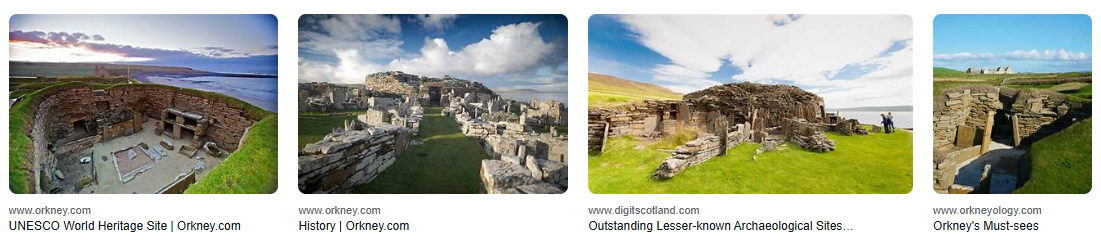
The Orkney Islands: Ancient Sites and Unique Heritage
The Orkney Islands- Ancient Sites and Unique Heritage- Top Ten Tourist Attractions In Scotland
The Orkney Islands, an archipelago off Scotland’s northeastern coast, are a treasure trove of prehistoric sites, dramatic coastal landscapes, and a distinct cultural identity shaped by centuries of Norse and Scottish influence. This cluster of over 70 islands boasts a rich blend of history, wildlife, and natural beauty.
Historical and Archaeological Marvels:
Skara Brae: Often called the “Scottish Pompeii,” Skara Brae is a remarkably preserved Neolithic village that predates both Stonehenge and the Great Pyramids of Giza. Discovered in 1850 after a storm exposed the settlement, it offers visitors a window into life over 5,000 years ago.
Ring of Brodgar: This massive stone circle and henge is part of the Heart of Neolithic Orkney, a UNESCO World Heritage Site. With 27 of its original 60 stones still standing, the Ring of Brodgar rivals other ancient monuments in size and significance.
Maeshowe Chambered Cairn: An impressive burial mound, Maeshowe dates back to around 2800 BC and is renowned for its engineering precision. During the winter solstice, sunlight illuminates the passageway, showcasing the advanced understanding of solar alignment by its builders.
Cultural Significance and Norse Influence:
The Orkneys were under Norse control for centuries, from the late 8th century until 1472 when they were ceded to Scotland. This history is evident in place names, folklore, and local traditions.
St. Magnus Cathedral: Known as the “Light of the North,” this cathedral in Kirkwall was founded by the Vikings in the 12th century and is a testament to the islands’ Norse heritage.
Natural Wonders and Wildlife:
The islands are surrounded by a stunning seascape, featuring dramatic cliffs such as those at Yesnaby and towering sea stacks like the Old Man of Hoy, which rises nearly 137 meters (450 feet) from the ocean.
Orkney is a haven for wildlife, offering opportunities to see puffins, seals, and orcas. The coasts and inland lochs attract a variety of bird species, making it a birdwatcher’s paradise.
Activities and Attractions:
Orkney Folklore Trails: Join guided tours that delve into the local myths and legends, including tales of selkies—seal-like creatures that transform into humans.
Local Crafts and Artisans: The islands have a rich tradition of crafts, including jewelry made from Orkney sandstone and woolen products from native sheep breeds.
Festivals: Experience Orkney’s cultural vibrancy through events like the St. Magnus International Festival, which celebrates music, art, and theatre.
Tips for Visiting:
Best Time to Visit: Summer months (June to August) provide the best weather and extended daylight hours known as the “Simmer Dim,” perfect for exploring the outdoors. Winter, though colder, offers a chance to see the Aurora Borealis.
Getting There: Orkney can be reached via ferry from Scotland’s northern coast or by plane from major cities like Edinburgh or Inverness.
Accommodation: Options range from traditional croft houses and charming bed-and-breakfasts to more modern hotels in Kirkwall and Stromness.
Interesting Fact: The Orkney Islands are home to some of the oldest human-made structures in Europe, with sites like the Tomb of the Eagles showcasing advanced burial customs and community practices from the Neolithic period.
Quote: “Orkney is a place where history isn’t just preserved—it’s alive in every rock, every sea breeze, and every story whispered across the rolling moors.” – Alex T., archaeologist.
Case Study: Archaeologists continue to make groundbreaking discoveries in Orkney, such as the Ness of Brodgar, a site described as one of the most significant prehistoric excavations in Europe, revealing the complexity of life during the Neolithic era.
Did You Know? The Orkney Islands have one of the densest concentrations of ancient sites in Europe, with over 3,000 identified archaeological sites across the archipelago.
Top 10 Tourist Attractions in Scotland Scotland tourist- Top Ten Tourist Attractions In Scotland
Top 10 Tourist Attractions in Scotland Scotland tourist
Top ten tourist attractions in Scotland. Great wall reconstruction and protection began with badaling in 1957. It’s the u.k.’s northernmost country, is a ground of mountain wildernesses. Din eidyn, “the stronghold of eidyn”, from which edinburgh takes its name, was the vital possession in scotland’s wars.
Dominating the city’s skyline as it has done for over 800 years, this castle is a national icon and, deservedly, the country’s most popular visitor attraction. At the top end is john o’groats , home to scotland’s most photographed signpost: The scottish highlands’ castles are some of the major tourist attractions.
To sentimental souls especially, visiting scotland is like coming home. It might technically be scotland’s second city in terms of population but edinburgh is nonetheless the country’s top tourist attraction. Scotland is known as the land of legends with a combination of history and one of the world’s beautiful scenery, which is called the nature of adventure.
And, best of all, entry is free. Scotland is one of the most beautiful country in the world. The great wall is more than 2,300 years old.
Find what to do today, this weekend or in march. Its landscapes are wilder, its mountains more dramatic, its islands more mystical and each of its cities unique. We’ve got iconic castles, incredible museums, beautiful gardens and much more in this list of top tourist attractions in scotland.
Find what to do today or anytime in march. 6 best day tours in the united kingdom. Share on facebook share tweet on twitter.
10 things to do in scotland: Things to do in scotland, united kingdom: Things to do in scotland, united kingdom:
It famously includes distances from here to lands end in cornwall at the southernmost tip of england (1,406 kilometers), as well as your town (you can add letters to spell out the name and. Scotland is known for having unpredictable weather, and if you happen to get caught in the rain you might be wondering what to do in edinburgh. We have reviews of the best places to see in isle of skye.
See tripadvisor’s 118,554 traveler reviews and photos of isle of skye tourist attractions. Some may disagree, this is just my personal opinion. Where to stay on the isle of skye.
Top 20 most visited tourist attractions in scotland if you’re looking for the best things to do in scotland, then look no further. You could start with the city’s iconic buildings, first taking a walk through the city’s museums and galleries to find everything from dinosaurs to dali, and a tour of the historic city chambers and magnificent glasgow cathedral, situated beside one of the most significant cemetaries in europe, the necropolis. Find what to do today, this weekend or in march.
Visit some of these 15 top destinations in scotland and you will quickly understand how exciting and different this country is from the other nations in the united kingdom. Find what to do today, this weekend, or in march. Things to do in isle of skye, the hebrides:
Scotland’s top 10 tourist attractions: In the 17th century, the manchus were able to break through this fortification makes it one of top 10 tourist attractions. Scotland’s top 10 tourist attractions name given below… 1.
Famous sights like the royal mile, glasgow science centre and the national museum of scotland hold something of interest for everyone. Edinburgh’s royal mile came in at 5th place, loch ness is 6th, edinburgh castle 7th and stirling castle 9th. The long history and influencing culture of england make the country as one of most popular tourist destinations in the world, have 17 world heritage sites, finest beaches, world class music festivals and games.
See tripadvisor’s 5 385 563 traveller reviews and photos of scotland tourist attractions. There was a royal palace here from the 12th century until the 1603 union of the crowns with james iv of scotland’s. Visit the national museum of scotland, one of the best indoor attractions in edinburgh.
A strong standing symbol of their perseverance and struggle for independence, edinburgh castle is one of the top tourist attractions in scotland. Chali september 25, 2019 january 31, 2021 scotland 0. See tripadvisor’s 5,385,498 traveller reviews and photos of scotland tourist attractions.
Scottish attractions continue to be popular with four appearances in the uk’s top ten. In this country include many gorgeous tourist attractions. Scottish attractions have seen tourism at an all time high due to popular sights that keep visitors flocking back.
Discover the unmissable sights and tourist attractions hidden on its winding streets. Nearly 1/3 of the great wall has disappeared without a trace. Things to do in scotland, united kingdom:
We have reviews of the best places to see in scotland. Home > europe > scotland > top 10 tourist attractions in scotland. Your handy quick guide to the top attractions in edinburgh perfect for family days out.
Top 10 tourist attractions in scotland. Perched on top of an extinct volcano at the top of edinburgh’s royal mile, edinburgh castle is the city’s most popular tourist attraction. Top attractions glasgow offers lots of exciting experiences, but where to begin?
We have reviews of the best places to see in scotland. Top 10 most popular tourist attractions in england. 10 best places to visit in scotland. Top 10 Tourist Attractions in Scotland Scotland tourist.
References of Top Ten Tourist Attractions In Scotland
Here are 3 relevant references for articles about the Top Ten Tourist Attractions in Scotland:

Visit Scotland – Scotland's official tourism site providing detailed information about popular destinations, history and other tourist attractions. (visitscotland.com)

Historic Environment Scotland – The government organization responsible for the preservation of Scotland's historic sites, including in-depth information on places such as Skara Brae and the Ring of Brodgar. (historicenvironment.scot)

National Trust for Scotland – A charity that manages important landmarks, such as castles and national parks. This resource provides historical details and interesting facts about various attractions. (nts.org.uk)