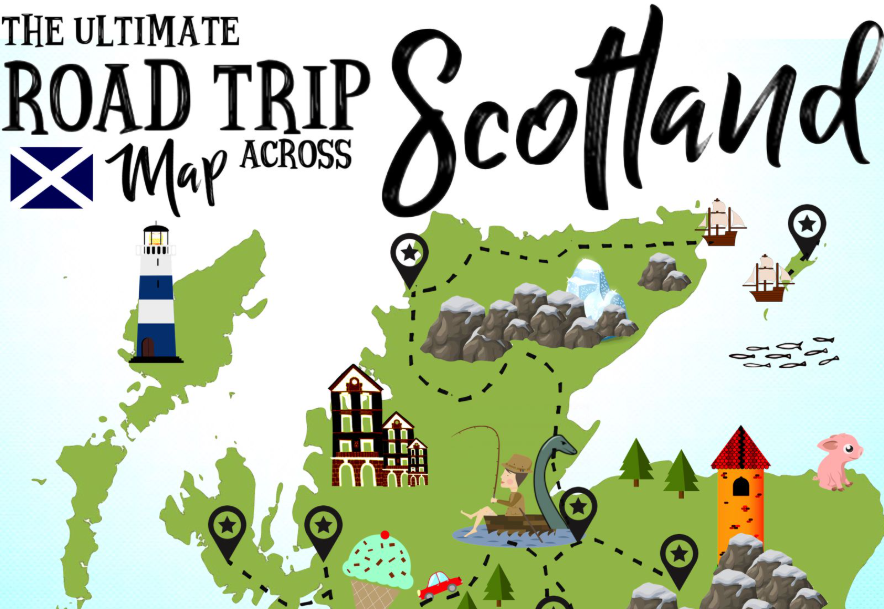
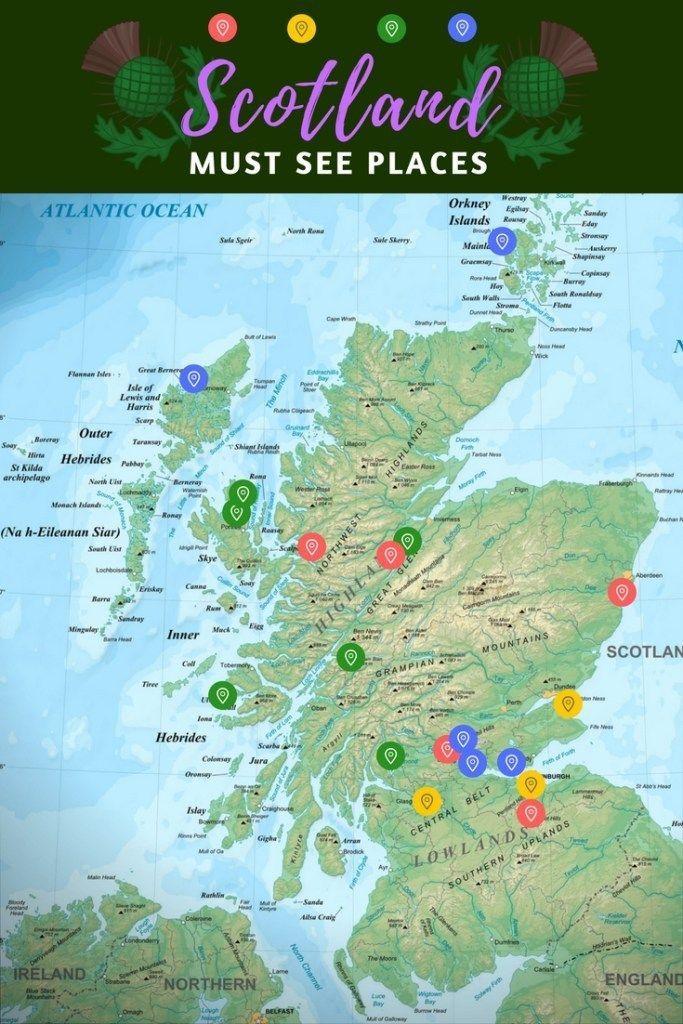
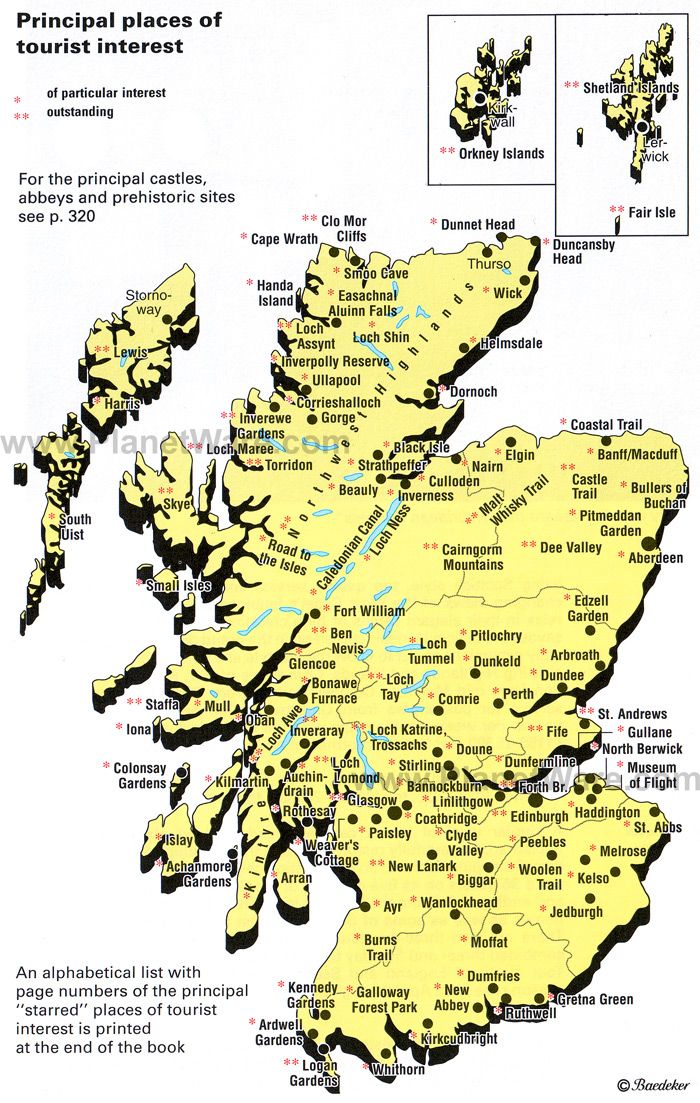
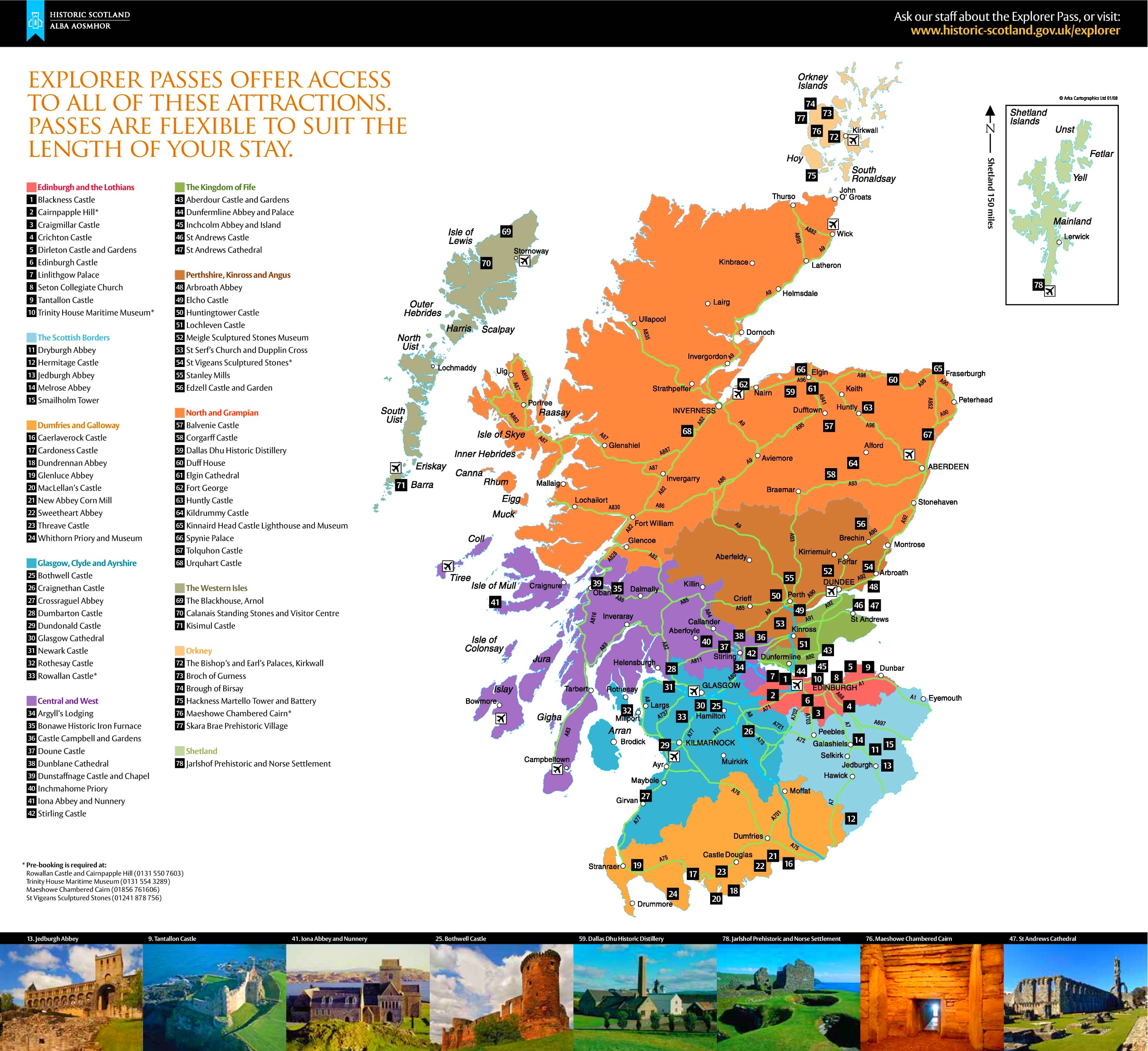
The Ultimate Tourist Map of Scotland and Ireland- A Guide to Exploring the Best Attractions (mavink.com)
Tourist Map Of Scotland and Ireland, two countries rich in history, culture, and natural beauty, offer some of the most picturesque landscapes in Europe. From the rugged Scottish Highlands to Ireland’s lush, rolling hills and vibrant cities, exploring these destinations can be a dream come true for travelers. However, with so much to see and do, it’s essential to have a well-planned itinerary. This guide will serve as your ultimate tourist map of Scotland and Ireland, helping you navigate the top attractions, historical landmarks, scenic routes, and hidden gems.
The Ultimate Tourist Map of Scotland and Ireland: A Guide to Exploring the Best Attractions
The Ultimate Tourist Map of Scotland and Ireland: A Guide to Exploring the Best Attractions
Let’s dive into the first section of this comprehensive guideof Tourist Map Of Scotland And Ireland.
1. Overview of Scotland and Ireland’s Geography
Scotland and Ireland are neighboring countries located in the British Isles, separated by the North Channel. While both nations share Celtic heritage and similar landscapes, they offer unique experiences. Scotland, part of the United Kingdom, is known for its mountainous regions, medieval castles, and lochs (lakes). Ireland, or the Republic of Ireland, is renowned for its vibrant culture, lush greenery, and historical monuments. Understanding the geography of these countries will help you plan an efficient travel route.
Key Highlights of Scotland’s Geography
Scotland’s Highlands: This region is characterized by its stunning mountainous landscapes, including Ben Nevis, the highest peak in the British Isles. The Highlands are also home to iconic lochs such as Loch Ness, known for the legend of the Loch Ness Monster.
The Lowlands: Located in the southern part of Scotland, this area features rolling hills and fertile plains. It includes major cities like Edinburgh and Glasgow, which are cultural and economic hubs.
The Islands: Scotland has over 900 islands, with the most famous groups being the Hebrides, Orkney, and Shetland Islands. These islands offer a mix of rugged coastlines, ancient ruins, and traditional Gaelic culture.
Key Highlights of Ireland’s Geography
The Wild Atlantic Way: One of the world’s longest coastal routes, stretching over 2,500 kilometers along Ireland’s west coast. It showcases breathtaking cliffs, beaches, and picturesque villages.
The Ancient East: This region is rich in history, with landmarks like the Rock of Cashel, ancient burial sites, and medieval castles. It’s a journey through Ireland’s storied past.
The Irish Midlands: Characterized by rolling plains, rivers, and lakes, this area offers a tranquil escape with quaint towns and beautiful natural scenery.
Tips for Navigating the Geography
Plan for Weather Variability: Both Scotland and Ireland are known for unpredictable weather. Pack layers, waterproof clothing, and sturdy footwear, especially if you plan on exploring the countryside.
Rent a Car for Flexibility: To make the most of your visit, consider renting a car. Public transportation can be limited in rural areas, and having a car will give you the flexibility to explore at your own pace.
Use Scenic Routes: Opt for famous scenic drives like the North Coast 500 in Scotland or the Ring of Kerry in Ireland to experience the best landscapes.
2. Must-Visit Cities and Attractions in Scotland
Scotland is a country rich in history, natural beauty, and vibrant culture. Its cities offer a mix of ancient landmarks, modern attractions, and a unique Scottish charm. From the capital city of Edinburgh to the bustling streets of Glasgow and the serene landscapes of the Highlands, each destination has something unique to offer. Here are the top cities and attractions you shouldn’t miss when exploring the tourist map of Scotland.
2.1 Edinburgh: The Historic Capital
Edinburgh, the capital of Scotland, is a city that seamlessly blends ancient history with contemporary culture. The city is divided into two main areas: the Old Town and the New Town, both UNESCO World Heritage Sites.
Top Attractions in Edinburgh:
Edinburgh Castle: Perched on a rocky outcrop, this iconic castle offers breathtaking views of the city. It houses the Crown Jewels of Scotland and the Stone of Destiny, used in the coronation of Scottish kings.
The Royal Mile: A historic street that stretches from Edinburgh Castle to the Palace of Holyroodhouse. It is lined with shops, traditional pubs, and museums, making it a must-visit for first-time travelers.
Arthur’s Seat: An extinct volcano offering panoramic views of Edinburgh. It’s a popular hiking spot located in Holyrood Park.
Scottish National Gallery: Home to an extensive collection of European and Scottish art, including works by Van Gogh, Monet, and Titian.
Interesting Tip: Visit during the Edinburgh Festival Fringe in August, the world’s largest arts festival, where the city comes alive with performances ranging from comedy and music to theatre and dance.
2.2 Glasgow: Scotland’s Cultural Powerhouse
Glasgow, known for its vibrant arts scene and friendly locals, is Scotland’s largest city. It’s famous for its music venues, museums, and a rich industrial history.
Top Attractions in Glasgow:
Kelvingrove Art Gallery and Museum: One of the most popular museums in the UK, featuring 22 galleries and a diverse collection of art, including the famous Christ of Saint John of the Cross by Salvador Dalí.
The Riverside Museum: Showcasing the history of transport in Scotland, this museum features vintage cars, trams, and locomotives.
Glasgow Cathedral: A stunning example of Gothic architecture, dating back to the 12th century. It is one of the few medieval churches in Scotland to have survived the Reformation intact.
Ashton Lane: A charming cobbled street in the West End of Glasgow, lined with bars, restaurants, and the famous Ashton Lane Cinema.
Interesting Tip: Explore Glasgow’s music scene. The city is a UNESCO City of Music, known for its live music venues like the Barrowland Ballroom and King Tut’s Wah Wah Hut, where famous bands like Oasis were discovered.
2.3 The Scottish Highlands: Nature’s Playground
The Highlands are the heart of Scotland’s natural beauty, with stunning landscapes, dramatic coastlines, and picturesque villages. This region is perfect for outdoor enthusiasts and those looking to experience traditional Scottish culture.
Top Attractions in the Highlands:
Loch Ness: Famous for the legendary Loch Ness Monster (Nessie), this deep freshwater loch is surrounded by beautiful scenery and historic sites like Urquhart Castle.
Isle of Skye: Known for its rugged landscapes, dramatic cliffs, and quaint villages, the Isle of Skye is a must-visit. Highlights include the Old Man of Storr, the Fairy Pools, and Dunvegan Castle.
Ben Nevis: The highest mountain in the UK, offering challenging hikes and incredible views. It attracts thousands of climbers and adventure seekers each year.
Glenfinnan Viaduct: This iconic railway viaduct is famous for its appearance in the Harry Potter films as the route of the Hogwarts Express.
Interesting Tip: Take the Jacobite Steam Train, known as one of the greatest railway journeys in the world. It runs from Fort William to Mallaig, crossing the Glenfinnan Viaduct and offering stunning views of the Highlands.
2.4 Aberdeen: The Granite City
Aberdeen, known as the “Granite City” due to its distinctive grey-stone architecture, is a vibrant city on Scotland’s northeast coast. It is an important cultural hub and gateway to the Cairngorms National Park.
Top Attractions in Aberdeen:
Marischal College: The second-largest granite building in the world, showcasing Aberdeen’s architectural heritage.
Aberdeen Maritime Museum: Offers insights into the city’s rich maritime history and the modern oil and gas industry.
Duthie Park Winter Gardens: One of Europe’s largest indoor gardens, featuring exotic plants and beautiful floral displays.
Old Aberdeen: A historic area with cobbled streets, the stunning St. Machar’s Cathedral, and the University of Aberdeen’s beautiful campus.
Interesting Tip: Explore the nearby Royal Deeside area, home to Balmoral Castle, the summer residence of the British royal family, and several picturesque villages.
2.5 Inverness: The Gateway to the Highlands
Inverness is often referred to as the “Gateway to the Highlands” and is a great base for exploring the northern part of Scotland.
Top Attractions in Inverness:
Inverness Castle: Offers panoramic views of the city and the River Ness. The castle grounds are a popular spot for visitors and locals alike.
Culloden Battlefield: A historic site where the last battle of the Jacobite Rising took place in 1746. The visitor center provides an immersive experience into this pivotal moment in Scottish history.
Loch Ness and Urquhart Castle: Just a short drive from Inverness, this area is perfect for boat tours and exploring the scenic ruins of Urquhart Castle.
Inverness Botanic Gardens: A tranquil spot to relax and enjoy a variety of plant species from around the world.
Interesting Tip: Take a cruise on the Caledonian Canal, one of the greatest waterways in Scotland, offering stunning views of the Highlands and connecting various lochs, including Loch Ness.
Summary Table: Must-Visit Cities and Attractions in Scotland
City
Top Attractions
Best Time to Visit
Edinburgh
Edinburgh Castle, Royal Mile, Arthur’s Seat
August (Festival Season)
Glasgow
Kelvingrove Museum, Glasgow Cathedral, Ashton Lane
Year-round
Highlands
Loch Ness, Isle of Skye, Ben Nevis
Summer (June to August)
Aberdeen
Marischal College, Maritime Museum, Duthie Park
Spring (April to June)
Inverness
Inverness Castle, Culloden Battlefield, Loch Ness
Autumn (September)
All Things SCOTTISH Scotland map, Scotland vacation
3. Must-Visit Cities and Attractions in Ireland
Ireland, known as the “Emerald Isle,” is famous for its lush landscapes, rich cultural heritage, and warm hospitality. Whether you are exploring vibrant cities like Dublin and Cork or taking in the stunning natural beauty of the Cliffs of Moher and the Ring of Kerry, there is no shortage of breathtaking sights and activities. In this section, we will outline the must-visit cities and attractions to include on your tourist map of Ireland.
3.1 Dublin: The Lively Capital
Dublin, Ireland’s capital and largest city, is a bustling hub of culture, history, and entertainment. It is home to a mix of historical landmarks, lively pubs, and a thriving arts scene.
Top Attractions in Dublin:
Trinity College and The Book of Kells: Founded in 1592, Trinity College is Ireland’s oldest university. Its library houses the Book of Kells, an illuminated manuscript dating back to the 9th century, showcasing exquisite medieval artwork.
Guinness Storehouse: A must-visit for beer enthusiasts, the Guinness Storehouse offers an immersive experience in learning about Ireland’s most famous beer. The visit ends with a pint of Guinness at the Gravity Bar, providing panoramic views of Dublin.
Dublin Castle: A historic site dating back to the 13th century, Dublin Castle played a central role in Ireland’s history. Today, it hosts state functions and is open for guided tours.
Temple Bar District: Known for its vibrant nightlife, this area is filled with pubs, restaurants, and live music venues. It’s a great place to experience Irish culture and hospitality.
Interesting Tip: Explore the Dublin Literary Pub Crawl, a guided tour that combines the city’s rich literary history with its famous pub culture, visiting spots frequented by writers like James Joyce and Samuel Beckett.
3.2 Cork: The Food Capital of Ireland
Cork, often referred to as the “Rebel City,” is known for its rich history and vibrant food scene. Located in the southwest of Ireland, it is the second-largest city in the country.
Top Attractions in Cork:
The English Market: One of the oldest municipal markets in the world, dating back to 1788. It’s a food lover’s paradise, offering local produce, artisanal cheeses, seafood, and traditional Irish fare.
Blarney Castle: Home to the famous Blarney Stone. Legend has it that kissing the stone grants the gift of eloquence, or the “gift of the gab.”
Cork City Gaol: A historical prison turned museum, offering insights into Ireland’s troubled past during the 19th and early 20th centuries.
Fota Wildlife Park: A popular family attraction, this wildlife park is home to a variety of animals from around the world, set in a naturalistic environment.
Interesting Tip: Cork is known for its vibrant food festivals, such as the Cork Food Festival and the Cork Oyster Festival, where you can taste the best of Irish cuisine.
3.3 Galway: The Cultural Heart of Ireland
Galway, known for its bohemian vibe and lively arts scene, is located on the west coast of Ireland. It is famous for its traditional Irish music, cobblestone streets, and colorful buildings.
Top Attractions in Galway:
Galway City Museum: Offers a deep dive into the history and heritage of Galway, with exhibits on archaeology, history, and contemporary art.
The Latin Quarter: A vibrant area filled with shops, cafes, and pubs. It’s the best place to experience the city’s bustling street life and enjoy live traditional Irish music.
Connemara National Park: Just a short drive from Galway, this park offers stunning landscapes with mountains, bogs, and scenic trails, perfect for hiking and photography.
Kylemore Abbey: A stunning Benedictine monastery set against the backdrop of the Connemara mountains. It features beautiful gardens and a Gothic church.
Interesting Tip: Visit Galway during the Galway International Arts Festival in July, a two-week celebration of music, theatre, and visual arts that transforms the city into a cultural hotspot.
3.4 Limerick: A City of History and Heritage
Limerick, situated along the River Shannon, is one of Ireland’s oldest cities and a hub of history, arts, and sports.
Top Attractions in Limerick:
King John’s Castle: A 13th-century castle offering interactive exhibits on medieval history and panoramic views of the River Shannon.
The Hunt Museum: Home to a fascinating collection of art and antiquities, including works by Picasso and Yeats.
St. Mary’s Cathedral: Founded in 1168, this cathedral is one of the oldest buildings still in daily use in Limerick. It features beautiful stained glass windows and historic tombs.
Thomond Park: Known as the home of Munster Rugby, it’s a must-visit for sports fans. The stadium offers tours and a museum showcasing the history of rugby in the region.
Interesting Tip: Take a stroll along the Three Bridges Walk, a scenic route along the River Shannon offering views of the city’s landmarks and the beautiful riverside.
3.5 The Cliffs of Moher: Ireland’s Natural Wonder
The Cliffs of Moher are one of the most iconic natural landmarks in Ireland, offering breathtaking views of the Atlantic Ocean. The cliffs stretch for about 14 kilometers and rise up to 214 meters at their highest point.
Highlights of the Cliffs of Moher:
O’Brien’s Tower: Located at the highest point of the cliffs, this 19th-century tower offers the best vantage point for panoramic views.
Visitor Experience: The interactive visitor center provides information on the geology, history, and wildlife of the cliffs. It’s built into the hillside to blend seamlessly with the natural landscape.
Walking Trails: The coastal paths offer stunning views and photo opportunities. Be prepared for windy conditions and bring suitable walking shoes.
Wildlife Spotting: The cliffs are home to a variety of bird species, including puffins, razorbills, and kittiwakes, making it a great spot for birdwatching.
Interesting Tip: Visit the Cliffs of Moher at sunset for a truly magical experience as the sun sets over the Atlantic, casting a golden glow over the cliffs.
Summary Table: Must-Visit Cities and Attractions in Ireland
City/Region
Top Attractions
Best Time to Visit
Dublin
Trinity College, Guinness Storehouse, Temple Bar
Spring (April to June)
Cork
English Market, Blarney Castle, Cork City Gaol
Summer (June to August)
Galway
Galway City Museum, Latin Quarter, Connemara National Park
4. Scenic Drives and Routes: Exploring Scotland and Ireland by Road
Both Scotland and Ireland offer some of the most spectacular scenic drives in the world, making them ideal for road trips. These routes take you through dramatic landscapes, picturesque villages, and iconic landmarks, offering travelers an immersive experience of the region’s natural beauty. Here, we will highlight some of the best scenic drives and routes to include on your tourist map of Scotland and Ireland.
4.1 The North Coast 500 (Scotland)
Dubbed “Scotland’s Route 66,” the North Coast 500 (NC500) is a 516-mile circular route that starts and ends in Inverness, taking you through some of the most stunning landscapes in the Scottish Highlands.
Highlights of the North Coast 500:
Bealach na Bà: One of the most famous stretches of the NC500, this winding, single-track road climbs to over 600 meters, offering breathtaking views of the Applecross Peninsula.
John O’Groats: The northernmost point of mainland Britain, known for its iconic signpost and stunning coastal views. It’s a great spot for photos and a gateway to the Orkney Islands.
Smoo Cave: Located near Durness, this large sea cave features a waterfall and offers guided tours, showcasing its unique geology and history.
Dunrobin Castle: One of Scotland’s oldest continuously inhabited houses, with over 189 rooms. The castle is known for its fairy-tale architecture and beautiful gardens.
Tips for the North Coast 500:
Plan Accommodation in Advance: The NC500 has become increasingly popular, so book your accommodations well in advance, especially during the summer months.
Take Your Time: Although the route can be completed in a few days, it’s best to spread the journey over a week or more to fully appreciate the scenery and attractions.
4.2 The Ring of Kerry (Ireland)
The Ring of Kerry is a 179-kilometer circular route in County Kerry, southwest Ireland. It is one of the most popular scenic drives in Ireland, known for its stunning coastal landscapes, charming villages, and historical sites.
Highlights of the Ring of Kerry:
Killarney National Park: A UNESCO Biosphere Reserve featuring the Torc Waterfall, Muckross House, and the stunning Gap of Dunloe. It’s a paradise for hikers and nature lovers.
Ladies View: A famous viewpoint offering panoramic views of the lakes and mountains of Killarney. The spot was named after Queen Victoria’s ladies-in-waiting, who were enchanted by the view during their visit in 1861.
Skellig Michael: A dramatic rocky island accessible by boat, famous for its ancient monastic settlement and its appearance in the Star Wars films. It’s a UNESCO World Heritage Site.
Kenmare: A charming town known for its traditional Irish music, colorful buildings, and excellent seafood restaurants.
Tips for the Ring of Kerry:
Drive Counter-Clockwise: Tour buses typically travel clockwise, so driving in the opposite direction can help you avoid congestion and enjoy a smoother experience.
Arrive Early: Popular spots like Ladies View and Muckross House can get crowded, so plan to visit early in the morning for the best experience.
4.3 The Wild Atlantic Way (Ireland)
The Wild Atlantic Way is a 2,500-kilometer coastal route stretching from Donegal in the north to Cork in the south. It is one of the longest defined coastal routes in the world, showcasing Ireland’s rugged coastline, stunning cliffs, and vibrant culture.
Highlights of the Wild Atlantic Way:
Slieve League Cliffs: Located in County Donegal, these cliffs are among the highest in Europe, offering spectacular views of the Atlantic Ocean.
The Burren: A unique karst landscape in County Clare, known for its rocky terrain and rich biodiversity. Nearby, you can visit the famous Cliffs of Moher for incredible ocean views.
Dingle Peninsula: A picturesque area known for its sandy beaches, rugged cliffs, and the vibrant town of Dingle. It’s also home to Slea Head Drive, offering some of the most stunning coastal views in Ireland.
Galway Bay: Famous for its lively atmosphere, seafood, and traditional Irish music. It’s a great place to enjoy fresh oysters and explore the local arts scene.
Tips for the Wild Atlantic Way:
Break It Up: Given its length, the Wild Atlantic Way is best explored in sections. Plan a few days for each region to truly experience the local culture and landscapes.
Be Prepared for Narrow Roads: Many parts of the route feature narrow, winding roads. Drive carefully and be mindful of local traffic, especially in rural areas.
4.4 The Isle of Skye Loop (Scotland)
The Isle of Skye is one of Scotland’s most beautiful and popular tourist destinations. A drive around the island’s loop road offers dramatic scenery, from rugged coastlines and majestic mountains to picturesque villages.
Highlights of the Isle of Skye Loop:
The Quiraing: A landslip on the Trotternish Ridge known for its otherworldly rock formations and breathtaking views. It’s a popular spot for hiking and photography.
Fairy Pools: Crystal-clear blue pools fed by waterfalls, located near Glen Brittle. They are a magical place for a walk, and on warm days, you might even see people swimming.
Dunvegan Castle: The oldest continuously inhabited castle in Scotland, home to the Clan MacLeod. It features beautiful gardens and a collection of historical artifacts.
Neist Point Lighthouse: Located on the westernmost point of Skye, this lighthouse offers spectacular views of the coastline and is a great place to watch the sunset.
Tips for the Isle of Skye:
Start Early: The Isle of Skye is a popular destination, so start your journey early to avoid the crowds, especially at popular spots like the Fairy Pools and the Quiraing.
Check the Weather: Skye’s weather can be unpredictable. Be prepared with waterproof clothing and sturdy footwear if you plan to explore outdoor sites.
4.5 The Causeway Coastal Route (Northern Ireland)
The Causeway Coastal Route is a 193-kilometer scenic drive along the coast of Northern Ireland, from Belfast to Londonderry (Derry). It features some of the most stunning coastal views and historic landmarks in Ireland.
Highlights of the Causeway Coastal Route:
Giant’s Causeway: A UNESCO World Heritage Site, famous for its unique basalt columns formed by ancient volcanic activity. According to legend, the columns were created by the giant Fionn MacCumhaill (Finn McCool).
Carrick-a-Rede Rope Bridge: A thrilling rope bridge that connects the mainland to a small island, offering stunning views of the North Atlantic.
Dunluce Castle: A medieval castle perched on a cliff, offering dramatic views of the sea. It has a rich history and has appeared in various films and TV shows.
The Dark Hedges: A picturesque avenue of beech trees, famously featured in the TV series Game of Thrones as the Kingsroad.
Tips for the Causeway Coastal Route:
Allow Plenty of Time: The drive has many scenic stops, so allow a full day or even two to explore all the major sights.
Visit Off-Season: The Giant’s Causeway can be very busy during the summer months, so consider visiting in spring or autumn for a quieter experience.
Summary Table: Top Scenic Drives in Scotland and Ireland
Route
Distance (Approx.)
Key Highlights
Best Time to Visit
North Coast 500 (Scotland)
516 miles
Bealach na Bà, John O’Groats, Smoo Cave
Summer (June to August)
Ring of Kerry (Ireland)
111 miles
Killarney NP, Skellig Michael, Kenmare
Spring to Autumn
Wild Atlantic Way (Ireland)
1,553 miles
Slieve League, Cliffs of Moher, Dingle Peninsula
Year-round (Varies by region)
Isle of Skye Loop (Scotland)
80 miles
Quiraing, Fairy Pools, Neist Point
Spring to Autumn
Causeway Coastal Route (NI)
120 miles
Giant’s Causeway, Carrick-a-Rede, Dunluce Castle
Spring to Autumn
Best Places To Visit In Scotland Best Places To Visit Ireland tourist map Ireland tourist, Ireland map
5. Essential Travel Tips and Planning Advice for Touring Scotland and Ireland
Planning a trip to Scotland and Ireland can be an exciting yet overwhelming experience, given the plethora of options and destinations to choose from. In this section, we’ll provide essential travel tips and advice to help you make the most of your journey. From practical tips on navigating the roads to insights into local customs and weather, this guide will ensure your tourist map of Scotland and Ireland is well-utilized.
5.1 Best Time to Visit
The ideal time to visit Scotland and Ireland depends largely on what you want to experience. Each season offers its own unique charm, but weather can play a significant role in your travel plans.
Seasons and What to Expect:
Spring (March to May): Spring is a great time to visit for mild weather, blooming landscapes, and fewer crowds. The countryside is lush and vibrant, making it ideal for outdoor activities like hiking and exploring castles.
Summer (June to August): Summer is the peak tourist season, with the warmest weather and the longest daylight hours. It’s the best time for road trips, festivals, and outdoor events, but it also means higher prices and crowded attractions.
Autumn (September to November): Autumn offers a beautiful display of fall foliage, particularly in rural areas and along scenic drives. The weather is cooler, but the reduced crowds and lower accommodation costs make it a favorable time to visit.
Winter (December to February): Winter is the quietest season, with shorter daylight hours and colder weather, especially in Scotland. However, this can be a magical time to visit for those interested in Christmas markets, cozy pubs, and winter sports in the Scottish Highlands.
Travel Tip: If you want to avoid the busiest tourist crowds, consider visiting during the shoulder seasons (spring and autumn), when the weather is still pleasant, and popular attractions are less crowded.
5.2 Navigating the Roads: Driving Tips
Driving is one of the best ways to explore the hidden gems of Scotland and Ireland, offering flexibility and access to remote areas. However, there are some unique aspects of driving in these countries that you should be aware of.
Key Driving Tips:
Drive on the Left: Both Scotland and Ireland drive on the left-hand side of the road, which can be challenging for visitors from countries that drive on the right. Familiarize yourself with this before you hit the road, especially at roundabouts and junctions.
Narrow Roads: Many scenic routes, particularly in rural areas, feature narrow, winding roads. Be cautious, use passing places to let other vehicles pass, and drive slowly, especially in areas with blind corners.
Watch for Wildlife: In rural areas, it’s common to encounter sheep, deer, or other wildlife on the roads. Drive carefully, especially at dawn and dusk when animals are most active.
Parking and Toll Roads: Parking can be limited in popular tourist spots, so plan ahead. Some cities and highways may have tolls, so keep change handy or use electronic payment options.
Fuel Stations: Fuel stations can be scarce in remote areas, particularly in the Scottish Highlands and along parts of the Wild Atlantic Way. Always keep your tank topped up when you have the chance.
Travel Tip: Consider renting a GPS or downloading offline maps for your journey, as phone signals can be weak in remote areas.
5.3 Currency and Payment
The currency used in Scotland is the British Pound Sterling (£), while in Ireland, the currency is the Euro (€). It’s important to keep this in mind when traveling between the two countries, especially if your itinerary includes Northern Ireland (part of the UK) and the Republic of Ireland.
Payment Tips:
Credit and Debit Cards: Cards are widely accepted in both countries, including contactless payments. However, it’s a good idea to carry some cash, particularly in rural areas or for smaller transactions like parking or public transport.
Currency Exchange: It’s advisable to exchange some money before you arrive, especially if you are landing in a rural area without easy access to ATMs. Airports and city centers have numerous exchange services, but rates may be better in local banks.
Tipping: Tipping is appreciated but not always expected. In restaurants, a tip of 10-15% is standard if service was good. In pubs, it’s common to round up the bill, but not obligatory.
Travel Tip: Use travel-friendly credit cards that offer no foreign transaction fees to save on currency conversion costs.
5.4 Accommodation Options
Scotland and Ireland offer a wide range of accommodation options to suit all budgets and preferences, from luxurious castles and boutique hotels to cozy bed-and-breakfasts and self-catering cottages.
Popular Types of Accommodation:
Bed and Breakfasts (B&Bs): A great way to experience local hospitality. They are often family-run, offering comfortable rooms and a hearty breakfast.
Castle Stays: For a unique experience, consider staying in a historic castle. Many have been converted into hotels, offering a glimpse into the country’s past with luxurious amenities.
Self-Catering Cottages: Ideal for families or groups who prefer the flexibility of cooking their own meals. They are often located in picturesque countryside settings.
Hostels: Budget-friendly options that are popular with backpackers. Many hostels offer private rooms as well as dormitory-style accommodations.
Travel Tip: Book your accommodations well in advance during peak season (summer), especially if you plan to stay in popular tourist areas like Edinburgh, Dublin, or along the North Coast 500.
The Ultimate Tourist Map of Scotland and Ireland- A Guide to Exploring the Best Attractions (mavink.com)
5.5 Weather and What to Pack
The weather in Scotland and Ireland is famously unpredictable, with the potential for all four seasons in a single day. It’s essential to pack accordingly and be prepared for sudden changes in weather.
Packing List Essentials:
Layers: Bring layers of clothing to adapt to changing temperatures. A good combination includes t-shirts, long-sleeved shirts, sweaters, and a waterproof jacket.
Waterproof Gear: Given the likelihood of rain, pack a reliable waterproof jacket, umbrella, and sturdy waterproof shoes or boots.
Comfortable Footwear: Whether you’re exploring city streets or hiking scenic trails, comfortable shoes are a must.
Travel Adapters: The UK (including Scotland and Northern Ireland) uses Type G electrical outlets, while Ireland uses Type G and Type F outlets. Bring a universal travel adapter to accommodate both.
Daypack: A small backpack is handy for day trips, allowing you to carry water, snacks, a camera, and extra clothing.
Travel Tip: Check the weather forecast regularly and plan your daily activities around it. On rainy days, opt for indoor attractions like museums or castles.
5.6 Understanding Local Customs and Etiquette
Both Scotland and Ireland are known for their warm and friendly hospitality. However, being aware of local customs and etiquette can help you make a positive impression and enhance your travel experience.
Tips for Respecting Local Culture:
Greetings: A simple “Hello,” “Hiya,” or “How are you?” is a friendly way to start a conversation. In more rural areas, people often greet strangers, even in passing.
Respect Personal Space: While the locals are friendly, they also value their personal space. Avoid standing too close or interrupting private conversations.
Pubs and Tipping: In pubs, it’s common to order at the bar rather than wait for table service. If someone buys you a drink, it’s customary to return the favor.
Language: English is widely spoken, but you may encounter Gaelic (Scots Gaelic or Irish Gaelic) in rural areas or on road signs. Learning a few basic phrases like “Sláinte” (cheers) can be a fun way to engage with locals.
Travel Tip: Always show respect for historical sites and natural landmarks by not littering and following any posted guidelines.
References of Tourist Map Of Scotland And Ireland
Here are three valuable references to help you plan your journey and dive deeper into exploring the tourist map of Scotland and Ireland:
1. VisitScotland – Official Tourism Website
Link: VisitScotland
Description: This is the official tourism website of Scotland, offering a wealth of information on attractions, scenic drives, accommodation options, and travel tips. It also features detailed guides for the North Coast 500, Isle of Skye, and various castles and historic sites across the country.
2. Discover Ireland – Ireland’s Official Tourism Website
Link: Discover Ireland
Description: The official tourism portal for Ireland, providing comprehensive travel guides, itineraries, and practical information. It covers everything from major tourist attractions like the Ring of Kerry and Wild Atlantic Way to hidden gems in the countryside.
Description: Lonely Planet is a trusted source for travel advice, offering detailed guides, itineraries, tips on accommodation, and recommendations for both Scotland and Ireland. Their content is known for its expert insights and recommendations, making it a go-to resource for travelers looking for in-depth information.
Scottish Highlands map Illustration on Behance (With
Scotland of Old Clans Map of Scotland (Collins Pictorial
This fabulous map showing all of the weird place names in
Map of Scotland with Ayr, Kintyre, Loch Lomond, Arran
The Perfect Scotland and Ireland Itinerary Scotland
inisheer map walk Ireland map by Claire Littlejohn
enjoy the road to the isles be sure not to miss the
Ireland 101 Map of Ireland. Super simplistic but easy to
Giant’s Causeway Coastal Route Pretty Useful Maps
Pin by MySisterKeeper101 on Ireland Scotland tourist
The Ultimate Tourist Map of Scotland and Ireland: A Guide to Exploring the Best Attractions
Map Uk Google Major Tourist Attractions Maps At Earth
The Ultimate Map Of Things To See When Visiting Scotland
Yet beyond the blarney is an island packed with an eclectic range of attractions from stately homes and luxury spa retreats to windswept surfing beaches and music festivals.
Tourist map of scotland and ireland. Map of scotland and travel information about scotland brought to you by lonely planet. It may be a small island but ireland is packed full of incredible attractions. The land of castles, nature and legendary heroes like sir william wallace or the movie character “the highlander” sir duncan macleod, with breathtaking mountain views, stunning islands, white sandy beaches, top whisky and maybe a lake monster.
Uk tourist map when we talk about the united kingdom, we are talking about a compendium of countries that form a union, with england at the head, scotland, wales and northern ireland. The detailed map of england and scotland, wales, united kingdom. Marriages suppliers from scotland, ireland and wales.
This map shows cities, towns, airports, ferry ports, railways, motorways, main roads, secondary roads and points of interest in scotland. Www.ryanair.ie) is a smaller airline that offers a. Zoom to north england, south england, east england, counties, cities for a detailed roadmap.
Www.aerlingus.ie), which has direct flights to the us, london, and paris. Columba arrived from ireland in the 6th century to spread the gospel. Browse the map of edinburgh city centre to see if you can spot the iconic edinburgh castle or the map of glasgow city centre to see where some of the most artistic.
Go back to see more maps of scotland. Keep an eye out for the mythical loch ness monster, enjoy some irish whiskey and the good vibes of cork.; A popular carrier to ireland is its national airline, aer lingus (081 836 5000;
Explore the historic dublin and go sightseeing in glasgow. Scotland map scotland road trip scotland vacation england and scotland scotland travel ireland travel scotland history scotland tourist attractions tourist map. Get off the main roads and tour scotland the scenic way now
Scotland map card from mrsc. Enjoy some stew and listen to irish music in galway.; Ireland & scotland vacation packages.
Be sure to check out the frequently asked questions about visiting ireland. If in kerry, take the time to explore what is arguably ireland’s most scenic route, the ring of kerry (iveragh peninsula). Learn how to create your own.
I am in the early stages of planning a family (me, husband, plus two 20 something children) trip to scotland. Flying to london and connecting to ireland is often easier and cheaper than flying direct. This is considered scotland’s cradle of christianity, as it was here that st.
Restaurants, cafés, bars, etc are all open only for takeaway service. Ireland map tourist attractions transportation by plane. Interactive travel and tourist map of scotland:
Start your tour from london, a city easily reachable from all over the world.; In 2008 we rented a van and used our ordnance survey ireland road atlas, spiral. Although it has formally declared its exit from the european union, it is still part of it, but it is not part of the schengen area.
Jeff j mitchell/getty images scotland’s most populous city, this port on the firth of clyde was once a shipbuilding powerhouse. Unspoiled scenery, a depth of culture and friendly locals, ireland is full of exciting experiences and unforgettable journeys. Ireland map free, and dublin, cork, galway.
Physical map of ireland this is a detailed map of the island of ireland, including airports, seaports, roads, and major cities and towns. Scotland tourist attractions map click to see large. This section gives a map of north england, south england, east england, counties, cities.
Discover 13 of scotland’s most spectacular driving routes, from the fife coastal route to the epic north coast 500. This map shows castles, points of interest, tourist attractions and sightseeings in scotland. Museums, galleries, tourist attractions are all currently closed.
More ideas for you pinterest. This map was created by a user. I thought it would be prudent to acquire a good road map.
Click on icons and writings on the map to open web links. Scotland has become more and more popular each year, drawing tourists with its outstanding culture in cities like edinburgh, mythical natural sites like loch ness, rugged islands like skye and orkney, and one of the best road trips in the world in the form of the north coast 500.this beautiful country has so much to offer travellers of any budget or creed and, despite its relatively.
The Ultimate Tourist Map of Scotland and Ireland: A Guide to Exploring the Best Attractions
Detailed map of Scotland Scotland map, Detailed map